8 Trusted Visual Presenter & Imaging Products for Memphis Buyers
These eight products cover the most common Memphis workflows: A3 classroom capture, wireless teaching, book and archive scanning, front-desk digitization, government identity checks and OEM camera-module development. Every product URL is preserved for direct evaluation.
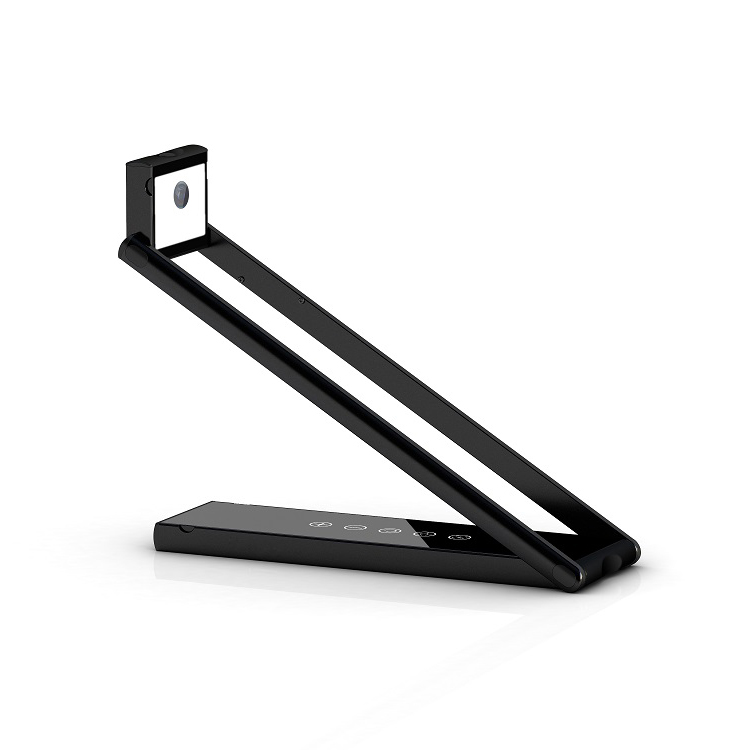
Education Equipment Visual Presenter Document Camera Scanner Scanning A3 Book and Paper
A strong starting point for Memphis classrooms, libraries and training rooms that need to show textbooks, worksheets, maps and handwritten work on a projector or video call.
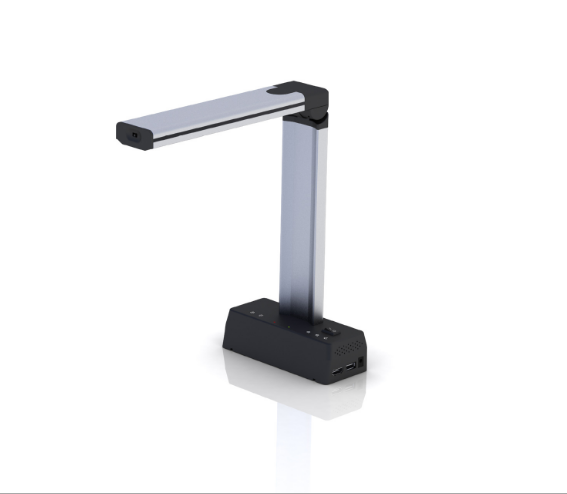
WIFI document camera visualizer wireless 5.8G WIFI OEM ODM Document scanner for education or office
Designed for dense buildings where 2.4GHz traffic is congested. Teachers and trainers can move between desks without dragging a cable across the room.
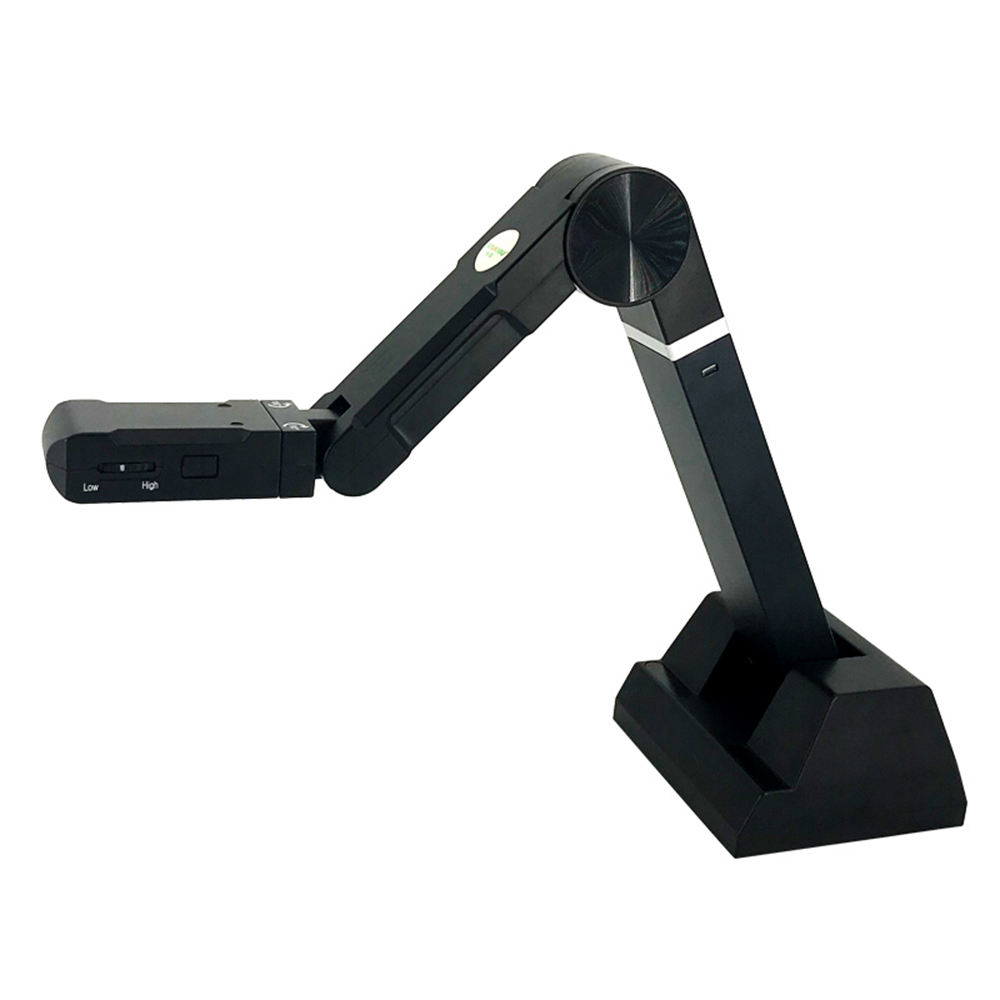
Document Camera High Quality OEM Portable WiFi Camera Scanner Multi-Interface Visualizer for Scanning Book Document
Multi-interface visualizer for shared offices, mobile training and library tables. A practical option when a fixed USB run is inconvenient or multiple rooms share one device.
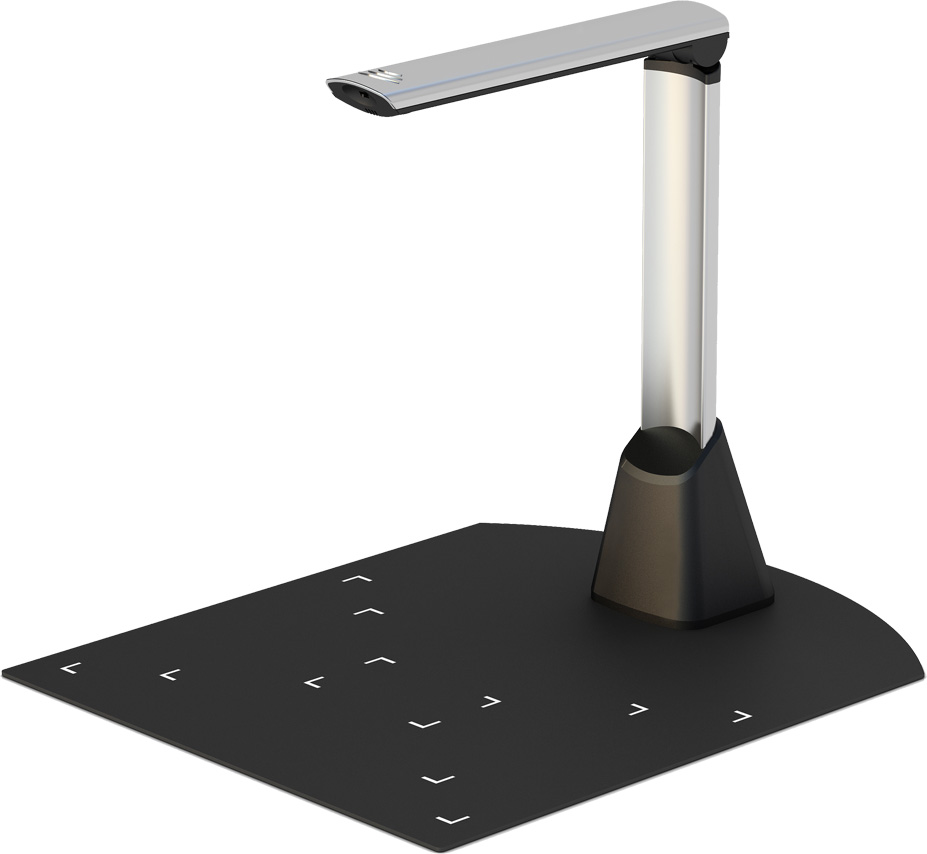
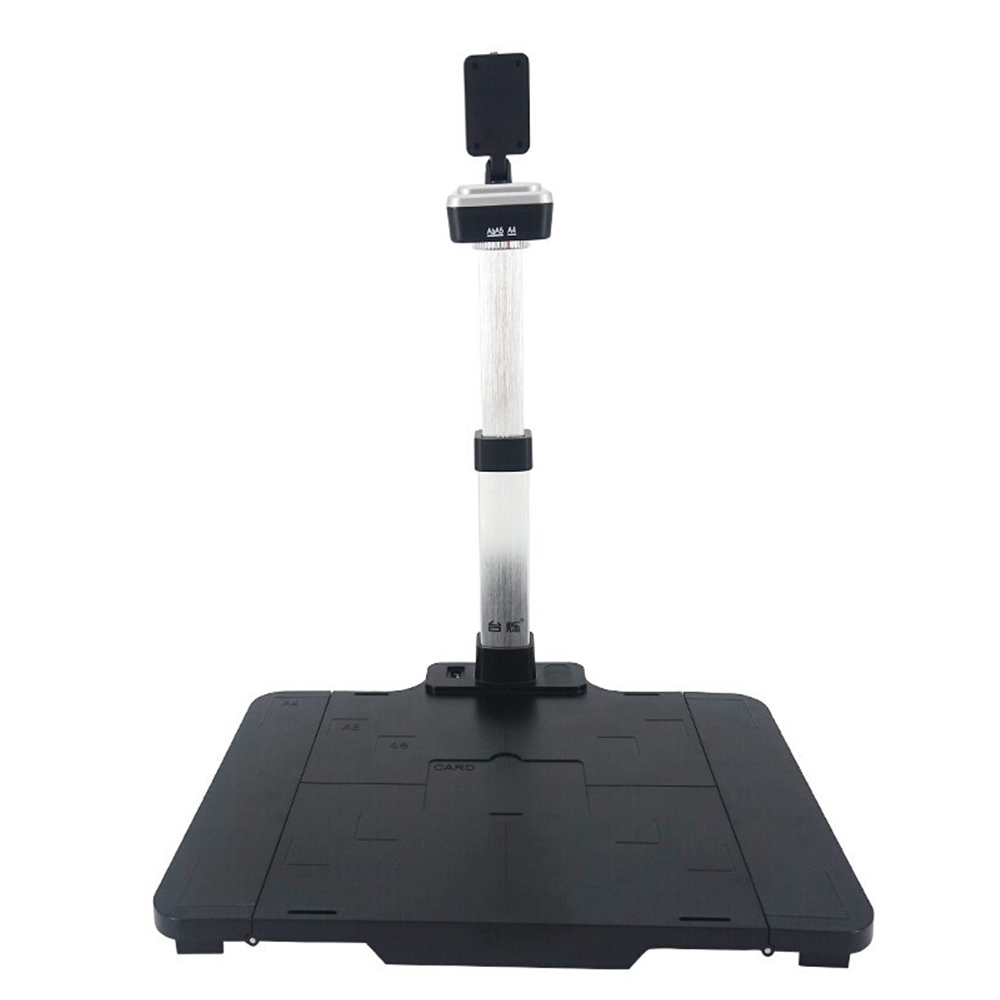
USB OEM A4 Fixed Focus Portable Desktop Document Scanner 13MP for Office Document Scanning
Fixed-focus simplicity for front desks, mailrooms and records rooms. The 13MP sensor gives procurement teams more room to enlarge fine print and signatures.
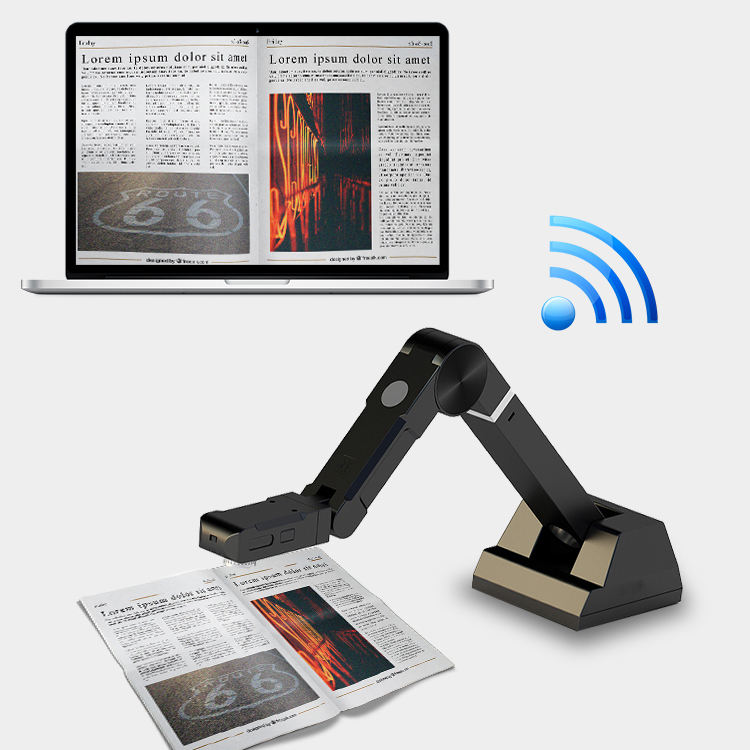
Visualized Handheld Hd Usb A4 Book Scanner A3 Automatic Management Document Scanner Camera
Built for thick books, ledgers and mixed-size records where page curvature and working height matter. Useful for libraries, clerks and archive teams in Shelby County.
OEM HD 5MP double Camera Document camera Scanner For Government document camera
One camera captures the document while the second captures the applicant or counter context. Designed for government identity checks, notary records and KYC-style intake.
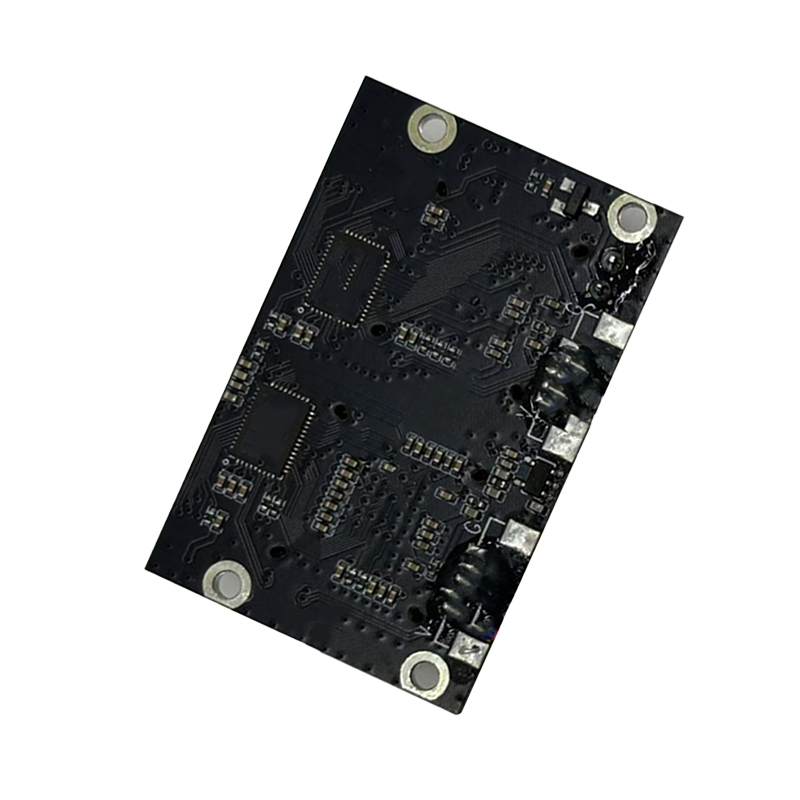
Newly upgraded dual 1080P finger vein palm print recognition facial recognition camera module CMOS sensor
For access-control and identity teams prototyping face, palm-vein or finger-vein capture. A hardware building block for multimodal verification products.
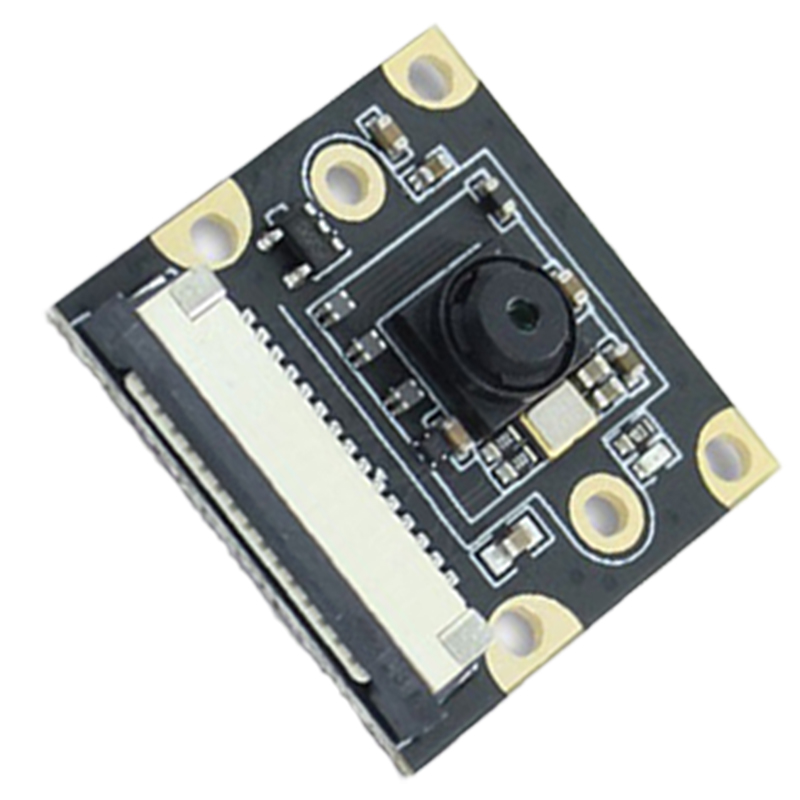
1080p/2K/4K camera module Nvidia development board sensor adjustable focal length webcam camera module
Adjustable-focus camera module for NVIDIA development boards, kiosks, inspection devices and logistics imaging prototypes. Suitable for Memphis integrators building custom vision hardware.
Factory-direct R&D
In-house hardware and software development with national patents.
Certified quality
ISO9001 system and CE, FCC, RoHS and 3C certification support.
OEM / ODM / private label
Custom design, firmware, packaging and buyer-label production.
Memphis-ready terms
FOB, EXW and DDP options with export experience across five regions.
Why Memphis Buyers Need a Visual Presenter Supplier Who Understands the Actual Workflow
Memphis is a working city for education, public administration, healthcare, logistics and financial services. A visual presenter is often shared across rooms and shifts, so the real question is not simply which sensor has the highest megapixel count. The practical question is whether the device can capture an A3 sheet with small print, a thick book, a photo ID and a live demonstration under the lighting that exists in the building.
Education and hybrid classrooms
From Memphis-Shelby County Schools to University of Memphis labs and community programs, educators need live annotation, science demonstrations, textbook capture and hybrid instruction. Balance A3 field of view, simple USB or 5.8GHz wireless setup, and clarity after projection compression.
Government, courts and public records
Shelby County offices, municipal clerks, courts and public libraries handle IDs, plats, property records, maps and bound books. Dual-camera scanning helps when the document and person must be captured together; A3 capture helps when an exhibit is larger than a letter page.
Financial, insurance and legal counters
Banks, title companies, insurance branches, notaries and law firms need repeatable ID capture, contract scanning and clear evidence of signatures. Test glossy paper, lamination glare and tight binding before choosing a supplier, because these are the conditions that expose weak optics.
Healthcare, logistics and training
Medical education, distribution centers, 3PL operations and corporate training teams use visual presenters to show labels, packaging, equipment and procedures. A stable image and simple setup matter more than studio features when a room is used shift after shift.
Localized Development Trends Shaping Memphis Visual Presenter Purchases
The city’s buying pattern is shaped by hybrid learning, public scrutiny, identity checks and labor turnover. These four trends are useful signals when preparing an RFQ, comparing suppliers or planning a multi-site rollout.
Hybrid instruction raises the bar for image clarity
Teachers and trainers now present to a projector, a laptop and a remote audience at the same time. Handwritten notes, small diagrams and textbook sidebars must remain legible after compression. A 13MP A3 model gives procurement teams more headroom for cropping and zoom; an 8MP model can be sufficient when A4 is the real working size.
5.8GHz wireless is evaluated as an IT decision
Wireless visualizers are no longer a convenience purchase. In older Memphis buildings, 2.4GHz congestion and concrete walls can interrupt a lesson. 5.8GHz systems often offer a cleaner path, but the buyer should still confirm receiver placement, fallback connection and behavior when the room is full of devices.
Identity capture moves to the front counter
KYC, notary, access control and public-benefit intake need a defensible record of both the document and the person presenting it. Dual-camera scanners and biometric camera modules reduce the number of devices at the counter, but the image-retention policy and software integration still belong to the buyer.
Procurement teams want fewer logistics surprises
Memphis is a distribution hub, but schools and agencies still plan around delivery dates, installation windows and spare-parts availability. Suppliers who can quote FOB, EXW and DDP, provide carton marks, and explain what is included in the box are easier to approve.
Chart values are illustrative decision weights based on common Mid-South tender questions; adjust them to your project.
How to Specify a Visual Presenter for a Memphis Tender or Private-Label Program
Before comparing prices, write the workflow. A front desk that scans one A4 form at a time should not be forced into a complex wireless system. A classroom that shows full A3 maps and asks students to read small labels should not be pushed into a low-resolution A4 device. The table below is a practical starting point for a Memphis RFQ.
| Memphis use case | Recommended model | Capture area | Connectivity | Why it fits |
|---|---|---|---|---|
| K-12 classroom, library and tutoring | A3 visual presenter document camera | A3 | USB / visualizer setup | Maps, worksheets, teacher handwriting and full-page textbook capture. |
| University, hybrid training and mobile teaching | 5.8G WiFi document camera visualizer | A3 / A4 | 5.8G wireless | Movement between rooms and less dependence on fixed cable runs. |
| Office, mailroom and front desk | 13MP USB A4 desktop scanner | A4 | USB | Simple one-page capture with enough resolution for fine print and signatures. |
| Records room, library and book archive | HD USB A4/A3 book scanner | A4 / A3 | USB | Bound ledgers, thick books and mixed-size records where speed and working height matter. |
| Government, notary and public-service counter | OEM 5MP dual-camera document scanner | A4 + face | USB | Document and applicant captured in one workflow for identity-sensitive intake. |
| OEM integration and embedded vision | 4K adjustable-focus camera module | Custom | Custom | NVIDIA boards, kiosks, inspection devices and logistics imaging prototypes. |
During evaluation, request unedited sample images from a unit in the actual room. Test A3 paper with small text, a glossy brochure, a laminated ID, a stitched book and a handwritten page. Check working height, shadow control, focus speed and whether the image can be used without a proprietary application. For district or agency deployment, confirm whether the receiver, cable, software and mounting plate are included in the quoted SKU.
A Memphis Procurement Scorecard That Goes Beyond Price
Most supplier quotes look similar at the top. The difference appears in the test evidence and supply details. Use these six checkpoints to compare suppliers on facts rather than adjectives.
Optical evidence
Ask for raw stills and live video under fluorescent light, with small text, glossy paper, laminate glare and a thick book. Compare focus, color shift, edge sharpness and shadow control.
IT and driver fit
Confirm UVC or TWAIN support where required, operating-system compatibility, admin-rights requirements, receiver pairing and what happens when the network is congested.
Mechanical durability
For shared carts and multi-room use, inspect arm tension, lens protection, cable strain relief, mount stability and packing method. Ask how the unit is transported between classrooms.
Identity and privacy design
For counters, map the full route of the captured image: device, software, storage, access control and retention. The hardware should support the workflow without creating a shadow IT process.
Compliance file
Match certificates and test reports to the exact model and revision you are buying. ISO9001, CE, FCC, RoHS and 3C claims should be available as documents, not only as logo badges.
Supply continuity
Ask for lead time, MOQ by model, spare receivers, lenses and cables, packaging marks, warranty terms and DDP or FOB responsibilities. A pilot order is easier to approve when spare-part planning is already visible.
Eshuni’s Enterprise Advantages for Memphis Importers, School Districts and Integrators
Shenzhen Eshuni Technology Co., Ltd. is a manufacturer and solution provider for information collection and identity verification. Since 2012, our team has focused on document cameras, visualizers, book scanners, webcams, identity verification terminals and camera modules. We develop hardware and software in-house, manage production through an ISO9001 quality system and support OEM, ODM and private-label programs.

Factory-direct engineering, not a marketplace listing
Memphis buyers often need a supplier who can move from a sample to a tender response without losing technical detail. Our team supports product design, project design and on-site project application, and we use ERP-driven production and supply-chain management so repeated orders stay consistent.
All core hardware and software are developed in-house and protected by national patents. Our factory operates an ISO9001 quality management system, and our products carry CE, FCC, RoHS and China 3C certifications where applicable. We accept FOB, EXW and DDP terms and regularly ship to North America, South America, Western Europe, South Asia and Africa.
For Memphis projects, this means you can compare one supplier for education visualizers, office document scanners, government dual-camera capture, book scanners and custom camera modules, while keeping certification, packaging and spare-part discussions in the same project thread.
In-house R&D and patents
Hardware, firmware and software development under one roof, with national patents supporting custom and standard product lines.
OEM / ODM / private label
Buyer-label production, custom packaging, carton marks, firmware options and project-specific product design.
ISO9001 quality management
Documented production and inspection processes help keep repeat orders consistent across schools, agencies and integrators.
Certification support
CE, FCC, RoHS and 3C documentation can be matched to the exact model and revision under evaluation.
ERP production and supply chain
Production planning and material control support stable lead times and clearer communication for multi-site rollouts.
Global trade and application support
FOB, EXW and DDP options, export experience across five regions, and practical support for tender and deployment questions.
Memphis Buyer FAQ: Visual Presenter Sourcing, Samples and Deployment
These are the questions our team most often receives from North American importers, school buyers, government procurement officers and system integrators preparing a visual presenter project.
Do you ship visual presenters to Memphis, Tennessee?
Yes. We support FOB, EXW and DDP terms and regularly serve buyers in North America. For Memphis, share your ZIP code, delivery site, quantity and whether you need liftgate or appointment delivery. We will quote the most practical route.
Can Eshuni support school district or government tender specifications?
Yes. Our team can review sensor, resolution, A3/A4 capture, connectivity, mounting, packaging and labeling requirements. We support OEM/ODM and private label, and can provide certification documentation for the exact SKU where available.
Which model is best for A3 textbooks, maps or bound records?
For full A3 with fine print, start with a 13MP A3 wireless visualizer or an A3 document camera visual presenter. For thick books and ledgers, choose a book-scanner configuration and test page curvature, lighting and working height before approving the SKU.
Should Memphis classrooms choose USB or 5.8GHz wireless?
USB is simpler for fixed desks and single-room setups. 5.8GHz wireless is better when teachers move around or when cabling is impractical. Confirm receiver placement, channel behavior, fallback connection and who will support the device on the school network.
Are sample units available before a bulk order?
Sample and pilot quotations are available for qualified projects. Tell us the application, target quantity and customization needs so we can recommend a test unit and document the evaluation criteria before a larger purchase order.
How should buyers evaluate identity-capture devices?
Start with the workflow: what document, what face angle, what lighting, where the image goes, and who can access it. The dual-camera scanner and biometric camera modules are hardware building blocks; the buyer’s software and privacy policy must be validated for the local use case.
Request a Memphis-Ready Quotation, Sample or Private-Label Proposal
Send your application, target quantity, capture area, room size, connectivity preference and any tender specification. Our engineering team will recommend the right sensor, housing and trade term for your Memphis or Mid-South project.