USB Document Scanner Manufacturer & Wholesaler for the Japan Market
Document cameras, USB visualizers, book scanners and biometric camera modules for Japanese distributors, system integrators, boards of education and corporate procurement teams — engineered for stable supply, tender documentation and local deployment review.
Inquire NowDocument Cameras, USB Scanners & Camera Modules for Japan Projects
These eight platforms cover classroom presentation, A3/A4 book capture, municipal document management, identity verification, OEM private label and embedded camera-module sourcing. All product URLs are preserved for direct evaluation.
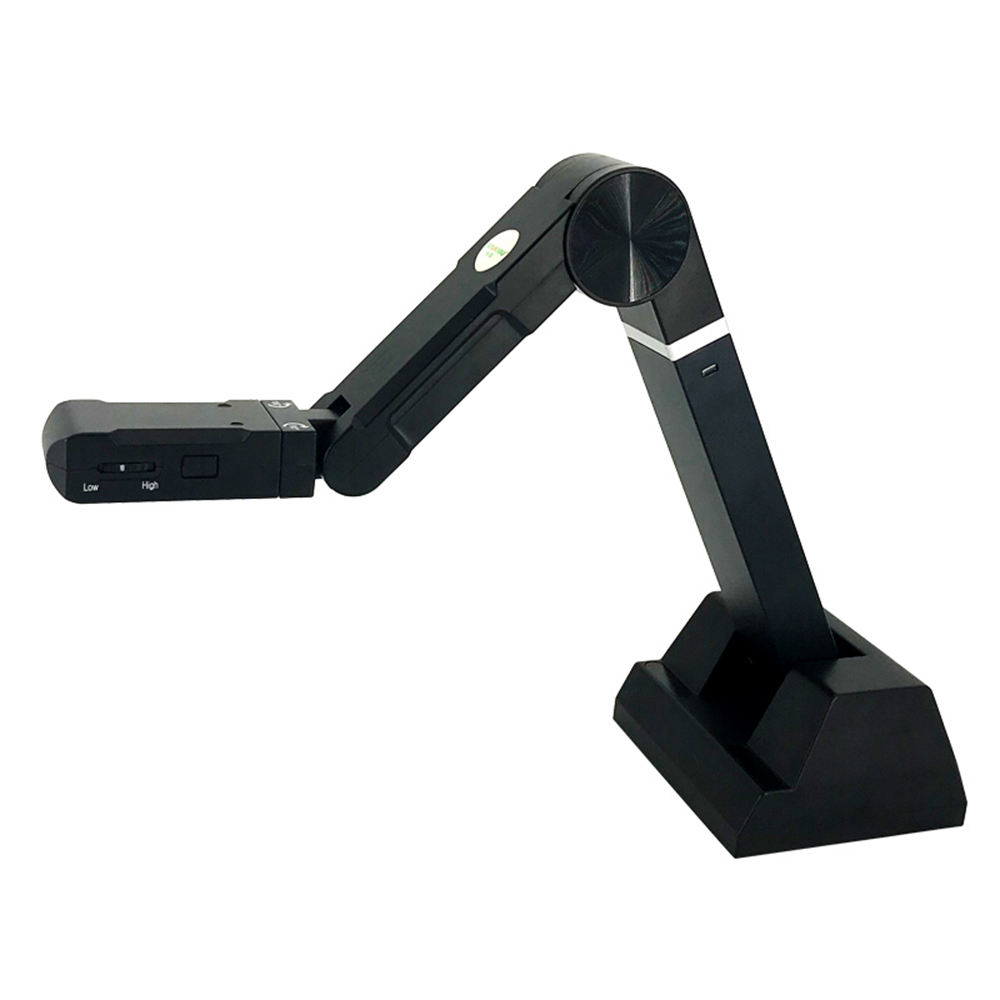
Document Camera High Quality OEM Portable WiFi Camera Scanner Multi-Interface Visualizer for Scanning Book Document
- WiFi
- Portable
- Multi-interface
Portable visualizer for book pages, lesson materials and office records. For Japan, specify USB fallback and confirm wireless compliance for the target site.
View product details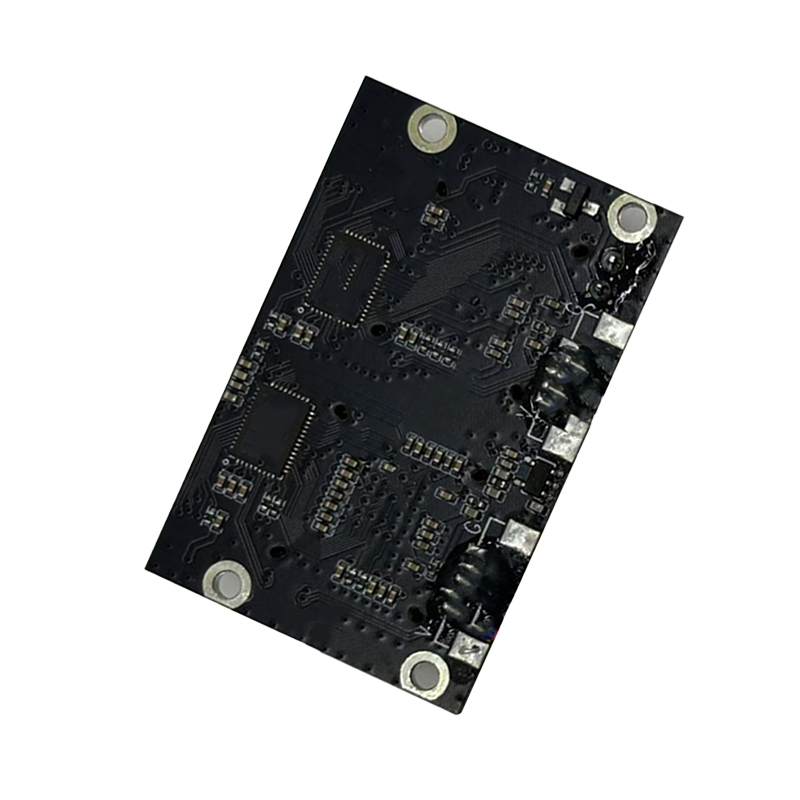
Newly upgraded dual 1080P finger vein palm print recognition facial recognition camera module CMOS sensor
- Dual 1080P
- Biometric
- CMOS
Biometric module for face, palm-vein and finger-vein recognition terminals. Recommended for access-control OEM projects with a local privacy and security review.
View product details
Wireless Robotic Frame Book Scanner Document Camera A3 A4 Size Management Document Scanner for Online Class
- A3/A4
- Robotic frame
- Online class
Book scanner and document camera for online classes, libraries and digital archives. Ask for a sample evaluation with your OCR, LMS or document-management software.
View product details
China Document Camera A3 Portable Wireless 13mp Visualizer Document Camera
- 13MP
- A3
- Wireless
Recommended when A3 drawings, fine print and zoomed details must remain legible. Validate the wired and wireless configuration against school ICT policy.
View product details
WG133AF-HV V508 VGA/HDMI/USB Three Mode 13MP Document Camera for Teachers, Mac, Windows
- 13MP
- VGA/HDMI/USB
- Mac/Windows
Useful for Japanese classrooms and offices with legacy displays and mixed PC environments. Ideal for phased upgrades without replacing every existing display.
View product details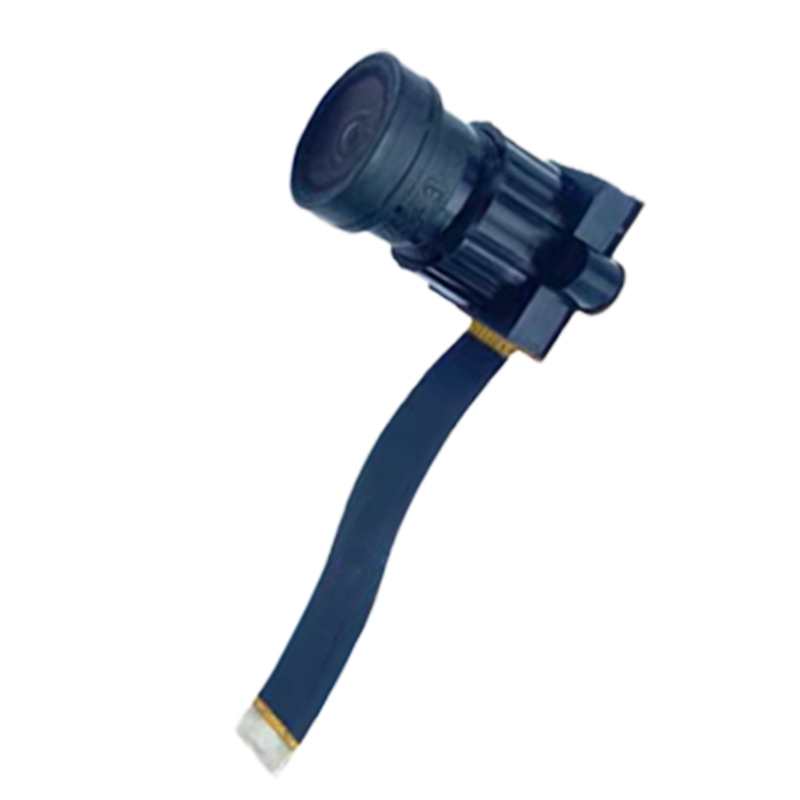
Professional manufacturer's CMOS sensor MIPI camera module 1080P 2K 4K drone wireless video transmission camera module
- MIPI
- 1080P/2K/4K
- Embedded vision
Camera module for drone, embedded vision and intelligent terminal OEM projects. Interface, lens, firmware and radio scope should be fixed before mass production.
View product details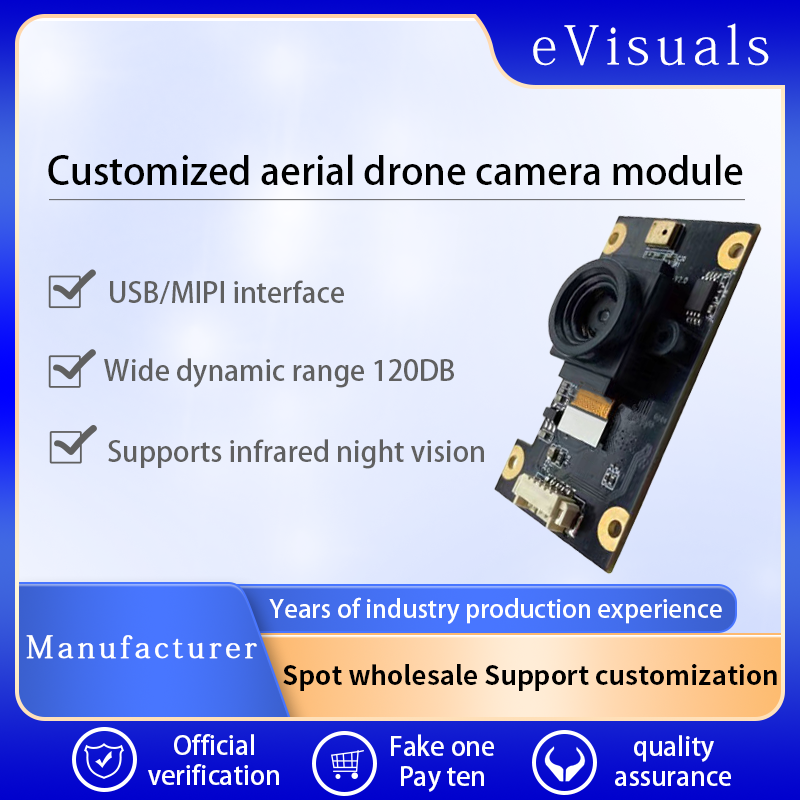
Factory customized 1080p 4K drone wireless video transmission HD aerial photography face recognition camera module
- 4K
- Wireless video
- Custom
Customized wireless video module for drone, aerial photography and image-recognition hardware. MOQ and certification plans depend on final housing and radio configuration.
View product details
OEM USB 5MP 8MP 13MP Document Camera Visualizer for Education Camera Scanner or Office Document Scanner
- 5MP/8MP/13MP
- USB
- OEM
Practical OEM platform for a private-label USB document scanner range. Supports discussions on Japanese manuals, packaging, barcode labeling and stable replenishment.
View product details
A USB Document Scanner Manufacturer and Wholesaler That Understands Japan’s Buyer Intent
Japanese buyers searching for USB document scanner manufacturer, document camera wholesaler, 書画カメラ, 教材提示装置 or book scanner supplier are not only comparing megapixels. They are evaluating supply continuity, tender readiness, local compliance boundaries, sample responsiveness and after-sales discipline. Shenzhen Eshuni Technology Co., Ltd. was founded in 2012 and builds information-capture and identity-verification hardware for education, finance, insurance, telecommunications, government and enterprise users.
Our product scope includes high-speed document scanners, video booths, book scanners, identity-verification terminals, webcams and camera modules. For Japan-focused wholesale projects, this means you can consolidate several imaging categories with one manufacturing partner instead of coordinating multiple unrelated suppliers.
- In-house R&D and own IP: hardware and software are developed in-house and protected by national patents; the team supports product design, project design and on-site project application.
- OEM / ODM and private label: buyer-label production, packaging development, interface customization and project-specific firmware discussion.
- Quality management: ISO9001 quality management system, with CE, FCC, RoHS and China 3C certifications across applicable products.
- ERP-driven production: production and supply-chain visibility support repeat orders, stable lead times and documentation for distributor programs.
- Application depth: devices are designed around real workflows in classrooms, municipal counters, archives, banks, insurers, telecom stores and paperless offices.
Japan Market Trends Reshaping USB Document Scanner and Visualizer Demand
For Japanese distributors and project owners, the opportunity is not simply “more devices.” It is the shift toward documented workflows, repeatable capture quality and procurement evidence that can survive internal review.
GIGA School and classroom ICT maturity
Japanese elementary and secondary schools continue to move from device deployment to daily instructional use. Teachers need overhead capture that is quick to set up, works with existing displays and does not require deep IT training. USB plug-and-play models and visualizers with HDMI/VGA fallback remain practical for boards of education that manage mixed equipment generations.
Hybrid learning and cram-school operations
Online tutoring, cram schools and university services require clear capture of textbooks, worksheets and handwritten notes. Auto-focus and A3/A4 framing are important, but so is a stable connection. When wireless models are proposed, the radio configuration must be checked against Japan’s Radio Law and the school’s network policy; USB remains a dependable fallback for controlled environments.
Municipal DX and paperless records
Local government offices, libraries and public-service counters still handle bound documents, forms, receipts and stamped paper records. Book scanners and overhead document cameras reduce handling friction, while local OCR and document-management software create the actual business value. Japanese buyers increasingly request sample workflow validation rather than a standalone specification sheet.
Counter-based identity verification and privacy review
Finance, insurance and telecom counters need fast identity capture and audit-friendly records. Dual-camera and biometric modules can support these workflows, but Japanese projects require careful discussion of the Act on the Protection of Personal Information, data retention, local processing and vendor security questionnaires. A manufacturer that can document architecture boundaries is more valuable than a low-cost module alone.
Where USB Document Scanners and Document Cameras Fit in Japan
Japan-specific deployment is less about one “best” model and more about matching the device to the room, counter, software stack and procurement process.
Elementary and secondary classrooms
Teachers can show textbook pages, solve equations, review homework and zoom into small diagrams without photocopying. For Japanese classrooms, prioritize quick start-up, A3/A4 coverage, clear focus and compatibility with existing projectors or displays. A 13MP model is useful for fine print and drawings; an 8MP model can be sufficient for routine A4 teaching.
Boards of education and municipal offices
Procurement teams often need repeatable documentation for tenders, internal approval and school-level rollout. A wholesaler should support model consistency, packing details, declarations, sample evaluation and spare-parts planning. Municipal offices also use overhead scanners for forms, archive materials and counter records where bound pages cannot be fed through a sheet-fed scanner.
Cram schools and online tutoring
Operators need a compact visualizer that can switch between face-to-camera discussion and desk capture. A 2-in-1 webcam/document camera, a portable WiFi model or a three-mode VGA/HDMI/USB unit can serve different price points. Evaluate low-light performance, microphone requirements and whether the teaching platform accepts USB UVC video without proprietary drivers.
Universities, libraries and archives
Book scanners help preserve rare or bound materials without forcing a flatbed workflow. For library projects, request sample images under controlled lighting and test OCR accuracy with Japanese text, vertical layouts, rubies and handwritten annotations. The final choice should balance resolution, capture speed, page-curve handling and operator comfort.
Finance, insurance and telecom counters
Counter staff need fast capture of application forms, identity documents and supporting papers. Dual-camera or ID-scanning configurations can capture the document and applicant context, but the software layer must define retention, masking and audit access. Japanese buyers should request a security questionnaire and a local pilot before branch rollout.
Corporate offices and manufacturing documentation
Paperless-office programs still depend on capturing invoices, delivery notes, inspection sheets and stamped approvals. Overhead USB scanners are useful where documents are bound, fragile or cannot be fed automatically. For manufacturing sites, confirm the device can operate in the target environment and that drivers, firmware updates and spare parts fit the company’s IT lifecycle policy.
Which USB Document Scanner or Visualizer Fits Your Japan Project?
Use this recommendation matrix to shortlist a platform for sample testing. Final selection should follow a local workflow test, compliance check and software compatibility review.
| Buyer scenario | Recommended platform | Why it fits | Procurement note |
|---|---|---|---|
| K-12 classroom with A3 teaching materials | A3 Portable Wireless 13MP Document Camera | High-resolution A3 capture for fine print, diagrams and projected teaching. | Test with the school’s display, PC and network policy; confirm whether wireless is permitted. |
| Teacher using legacy display and mixed Mac/Windows PCs | WG133AF-HV V508 VGA/HDMI/USB 13MP Document Camera | Three output modes reduce adapter friction in older classrooms. | Verify cable length, resolution at each output and available adapters. |
| Online class, book page capture and library digitization | Wireless Robotic Frame Book Scanner or Portable WiFi Document Camera | Overhead capture for bound materials, worksheets and live demonstrations. | Run OCR and LMS/video-platform tests with Japanese text samples. |
| Private-label USB document scanner range for Japanese distributors | OEM USB 5MP / 8MP / 13MP Document Camera | Flexible sensor tiers for entry, mainstream and high-resolution retail lines. | Discuss Japanese manual, packaging, barcode labels, MOQ and spare-parts plan. |
| Public counter, finance or telecom identity capture | Dual 1080P Biometric Camera Module | Supports face, palm-vein and finger-vein recognition terminal development. | Complete privacy-impact and security review before pilot deployment. |
| OEM embedded vision or drone camera project | MIPI CMOS Camera Module or Customized 4K Wireless Module | Customizable module platforms for imaging, transmission and recognition hardware. | Lock interface, lens, firmware and radio scope before tooling or mass production. |
Recommendation matrix is a starting point, not a certification statement. Japanese compliance, wireless use and software compatibility must be confirmed for each final configuration.
Build a Japan-Ready Evaluation Scorecard, Not Just a Price Comparison
Japanese wholesale and project buyers often need to justify a decision across several departments. A low unit price can be offset by unclear compliance scope, weak software compatibility, unstable packaging or missing after-sales documentation. The example weighting below is a practical starting point for an internal evaluation; adjust it to the tender, product class and end-user environment.
Information gain for buyers: ask each supplier for the same evidence package — product datasheet, interface list, power/adaptor details, wireless configuration, packing dimensions, sample test plan, warranty and spare-parts approach. Comparing identical evidence is more reliable than comparing marketing headlines.
Inquire NowPSE / Radio Law / VCCI applicability, declarations, labeling and importer responsibilities.
A3/A4 legibility, focus speed, low-light behavior, zoom clarity and page handling.
Windows, macOS, ChromeOS and platform testing; OCR/LMS integration; Japanese manual readiness.
MOQ, lead time, change notification, spare parts, RMA process and packaging durability.
FOB / EXW / DDP options, freight, duty, consumption tax and inventory carrying cost.
Frequently Asked Questions from Japanese Buyers and Wholesalers
These are the practical questions that appear in sample requests, tender reviews and distributor onboarding for document camera and USB scanner projects.
Are your USB document cameras and visualizers compliant with Japan’s technical regulations?
Our factory operates an ISO9001 quality management system, and applicable products carry CE, FCC, RoHS and China 3C certifications. Japan-specific requirements depend on the final configuration. AC adapters may fall under PSE requirements, wireless products may fall under the Radio Law and require technical conformity marks, and IT equipment may be tested for VCCI EMC requirements. Eshuni can provide product information, samples and technical coordination for the buyer’s Japanese certification lab, but the importer and local project owner should confirm final applicability before sale or deployment.
Can you support Japanese packaging, Japanese manuals and private-label branding?
Yes. OEM, ODM and buyer-label production are core services. For Japan-focused wholesale programs, we can discuss Japanese user manuals, packaging artwork, model naming, barcode labels such as JAN/UPC, accessory configuration and master-carton marking. The buyer normally supplies or approves translated text and brand assets, while our team reviews production feasibility, MOQ and packaging structure. This is especially important for distributors selling through B2B channels, school suppliers and retail catalogs.
What are the usual sample, MOQ and production lead-time steps?
We recommend starting with a sample evaluation against your real workflow: document type, room lighting, display or PC interface, software used and operator profile. MOQ depends on the model, sensor configuration, branding, packaging and whether firmware or hardware customization is required. Production lead time is quoted after sample approval, artwork approval and deposit. For tender projects, share the target schedule early so we can align sample delivery, pilot units and mass-production planning.
Which trade terms and shipping options do you support for Japan?
We accept FOB, EXW and DDP delivery terms, subject to the final quotation and destination. Regular international shipping can be arranged by sea, air or express. Japanese buyers typically nominate a forwarder or use an importer-of-record arrangement; for DDP discussions, confirm the scope of duties, consumption tax, customs clearance and final delivery address. Packaging should be reviewed for export handling, humidity and warehouse storage before mass production.
Should a Japanese classroom choose 8MP or 13MP?
An 8MP sensor is often sufficient for A4 worksheets, textbook pages and routine live demonstration. A 13MP sensor is recommended when the project requires full A3 sheets, fine print, engineering drawings, detailed maps or archival capture where users must zoom in without losing legibility. The final choice should also consider frame rate, USB bandwidth, lighting and the display resolution used in the classroom. We recommend testing both tiers with the actual content before standardizing a school-wide rollout.
Will the camera work with Windows, macOS, Chromebook and iPad environments?
USB UVC video is commonly supported by Windows and macOS, but ChromeOS, iPadOS and Android environments require validation of adapters, camera permissions, video-call platforms and any local management software. HDMI/VGA models are useful where legacy classroom displays remain in service. Before a tender response, provide the target OS list, display interface, video platform and IT policy. A sample test is the most reliable way to confirm compatibility and avoid deployment surprises.
How should Japanese buyers evaluate privacy and data security?
Start by mapping where image data is captured, processed, stored and transmitted. Many document camera workflows can operate locally without cloud upload, but the actual software and network architecture determine the privacy scope. Japanese buyers should complete an internal review aligned with the Act on the Protection of Personal Information, especially for identity documents, counter capture and biometric modules. We can provide product architecture information and support security questionnaires; local legal and security review remains the responsibility of the importer or project owner.
What after-sales support, spare parts and warranty approach is available?
After-sales terms are defined per product, order volume and distribution model. Typical support includes technical documentation, spare-parts discussion, RMA process planning and firmware/configuration coordination for project orders. For education and government projects, we recommend agreeing on a spare-unit ratio, consumable/accessory list and escalation contact before shipment. Our R&D team also supports product design, project design and on-site project application discussions for larger deployments.
Can you help prepare a tender specification or distributor catalog entry?
Yes. We can provide product descriptions, dimensions, interface details, packing information, accessory lists and available certification information for your tender or catalog team. We can also review model selection against the intended use case, such as A3 classroom capture, library book scanning or counter document capture. Final tender submission, local compliance claims and legal wording should be verified by the Japanese importer, distributor or authorized representative.
Need a Japan-Ready USB Document Scanner Quote?
Send your application, target volume, preferred interface, compliance requirements and launch schedule. Our team will recommend a platform, outline sample testing steps and prepare an OEM/ODM quotation for your Japan market project.
Inquire Now