Why CE Certified Foldable Document Cameras Are Becoming a Procurement Priority
Foldable document cameras are no longer a niche classroom accessory. They are now part of hybrid learning, paperless offices, government counters, tender packages and private-label catalogues.
CE compliance is now a buying gate, not a decorative logo
For distributors, tender suppliers and private-label brands, the real question is not simply “does the camera have CE?” but “can the factory support the model with consistent documentation, traceable production and a clear technical file?” A CE certified foldable document camera must be matched to the right sensor, hinge, power design, wireless module and packaging before it can enter a serious wholesale programme.
The strongest procurement teams look beyond megapixels. They evaluate capture area, image stability, hinge durability, UVC compatibility, driverless setup, spare-parts planning, carton volume and the supplier’s ability to answer technical questions within the tender timeline. This is where a factory with in-house R&D, ISO9001 processes and OEM/ODM experience creates real information gain for buyers.
Information gain in this category means telling buyers what changes the total cost of ownership: a foldable arm that survives daily classroom use, a wireless link that remains stable in busy school networks, and a compliance file that is ready before the quotation is approved.
Why the foldable form factor changes deployment economics
A foldable overhead visualizer reduces shipping volume, speeds up classroom setup and makes shared-resource deployment practical. Teachers can move one unit between rooms; counter staff can store it without a dedicated desk; wholesalers can fit more units into a mixed container.
8 Product Recommendations for Wholesale and OEM Programs
This shortlist covers core foldable document cameras, portable visualizers, book scanners and adjacent imaging modules. Each product URL is preserved for direct buyer review and quotation follow-up.

OEM Document Camera A3 Portable Wireless 13mp Visualizer Document Camera
A foldable A3 wireless visualizer with 13MP capture for classrooms, lecture capture, engineering drawings and tender-ready education projects. Suitable for private-label programmes that need strong image detail and portable deployment.
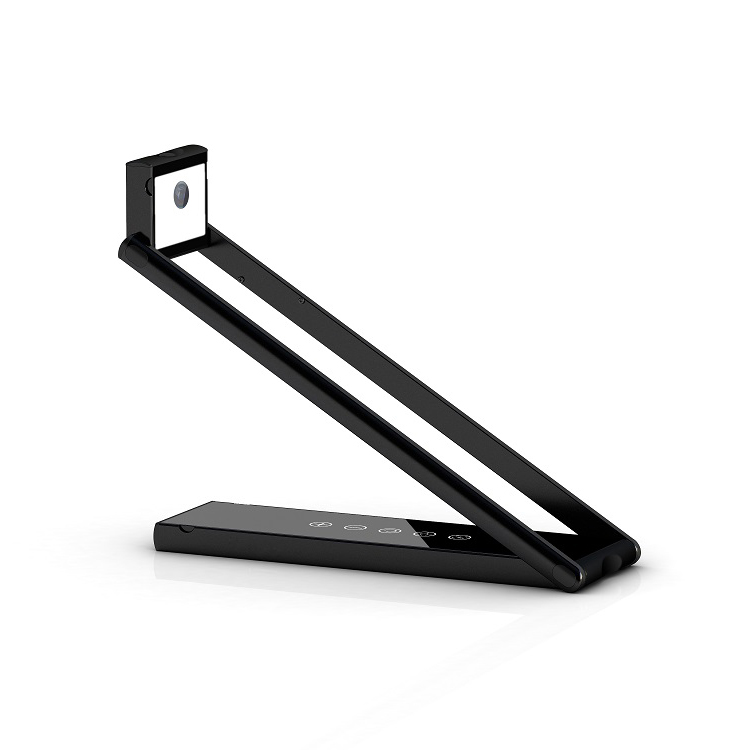
Education Equipment Visual Presenter Document Camera Scanner Scanning A3 Book and Paper
A3 book and paper scanning with live visual-presenter capability. A practical choice for schools that need one device for demonstration, hybrid lessons and archive capture, with accessories and packaging adaptable for distribution.
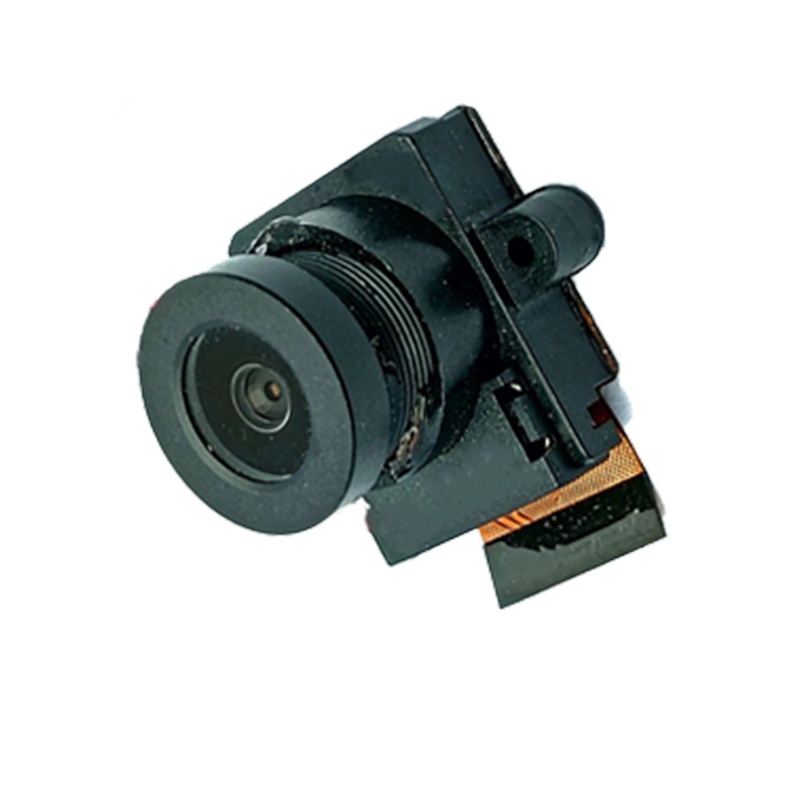
Factory hot-selling 1080p CMOS sensor body camera with HD video/audio recording and night vision
A 1080p CMOS body camera with HD video/audio and night vision for security, field documentation and evidence capture. Useful for buyers building a broader imaging catalogue alongside document cameras and visualizers.
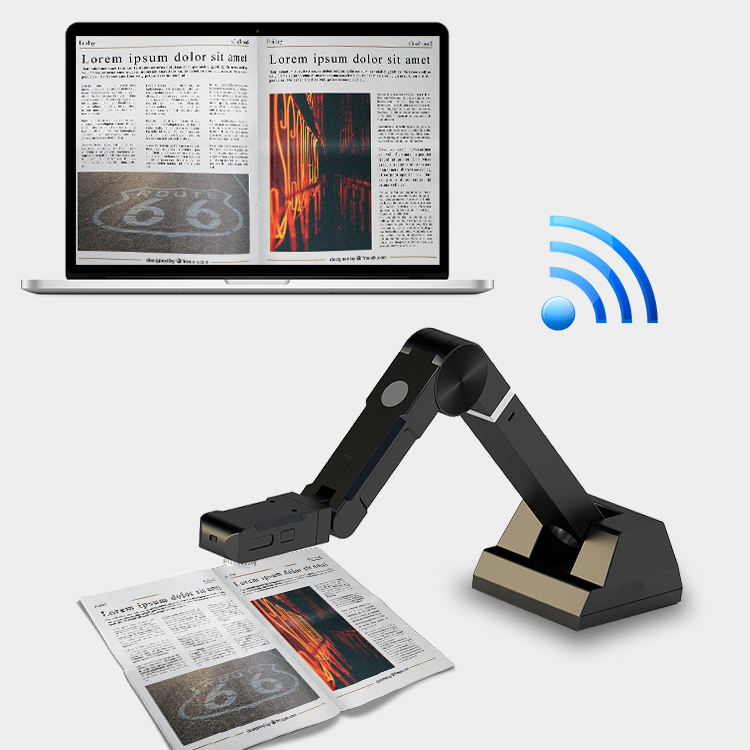
OEM USB Portable Smart Camera Visualizer Wifi A4 A3 Document Camera Visualizer for Education Book Camera
A portable USB/WiFi smart visualizer for A4 and A3 educational use. Its flexible interface options and book-camera positioning make it suitable for online teaching, tutoring centres and private-label education kits.
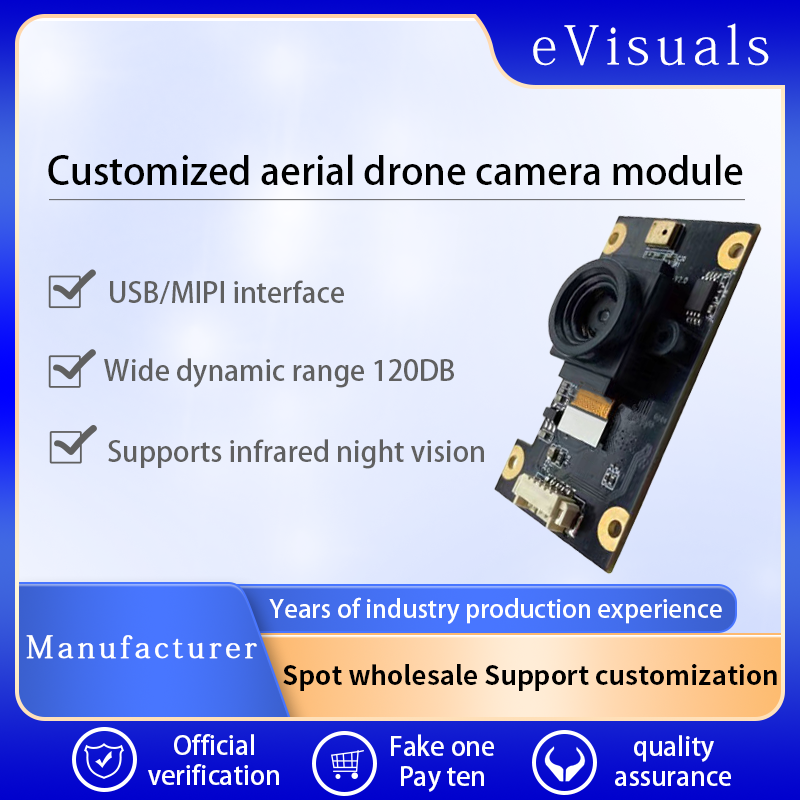
Factory customized 1080p 4K drone wireless video transmission HD aerial photography face recognition camera module
Custom 1080p/4K wireless camera module for drone video, aerial imaging and face-recognition applications. An OEM platform for integrators who need camera modules separate from complete document-camera housings.
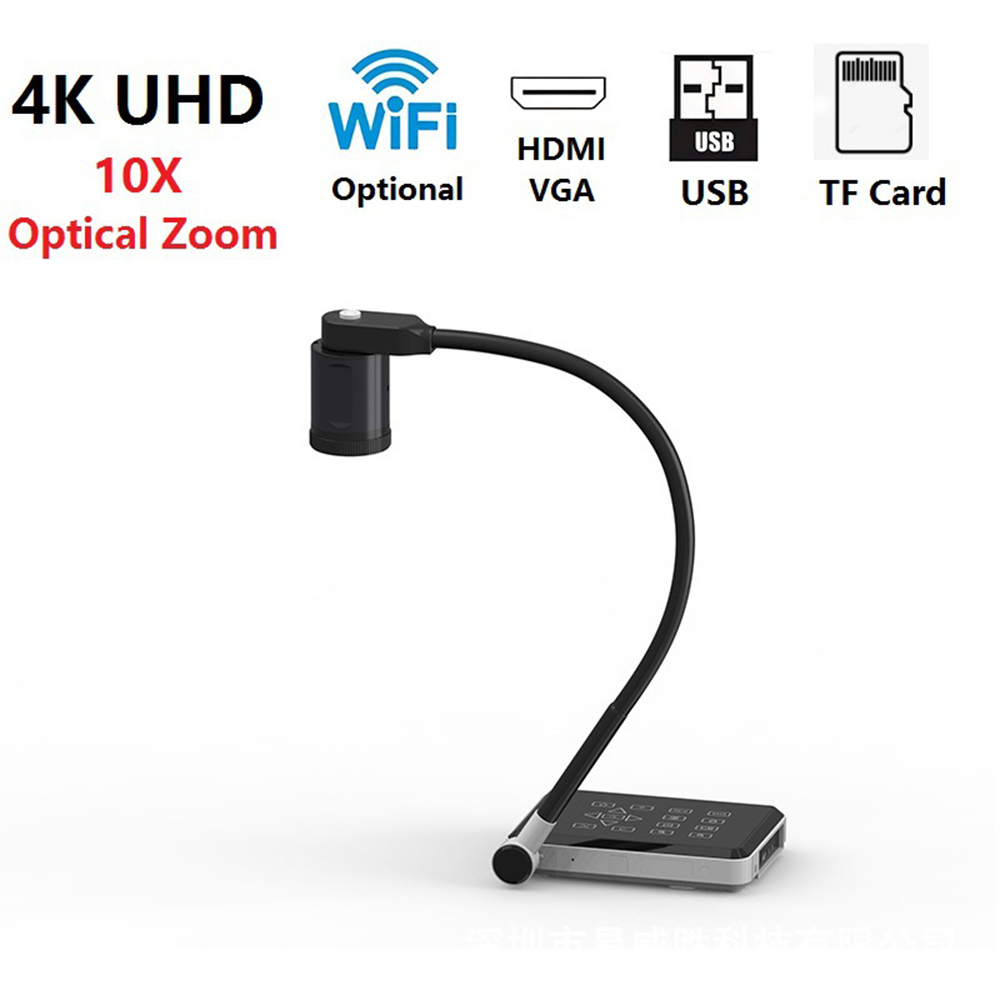
Visualized Handheld Hd Usb A4 Book Scanner A3 Automatic Management Document Camera Scanner
Handheld HD USB A4/A3 book scanner for mobile document capture and office digitization. A strong option for service counters, records rooms and buyers who need a compact scanner with document-camera flexibility.
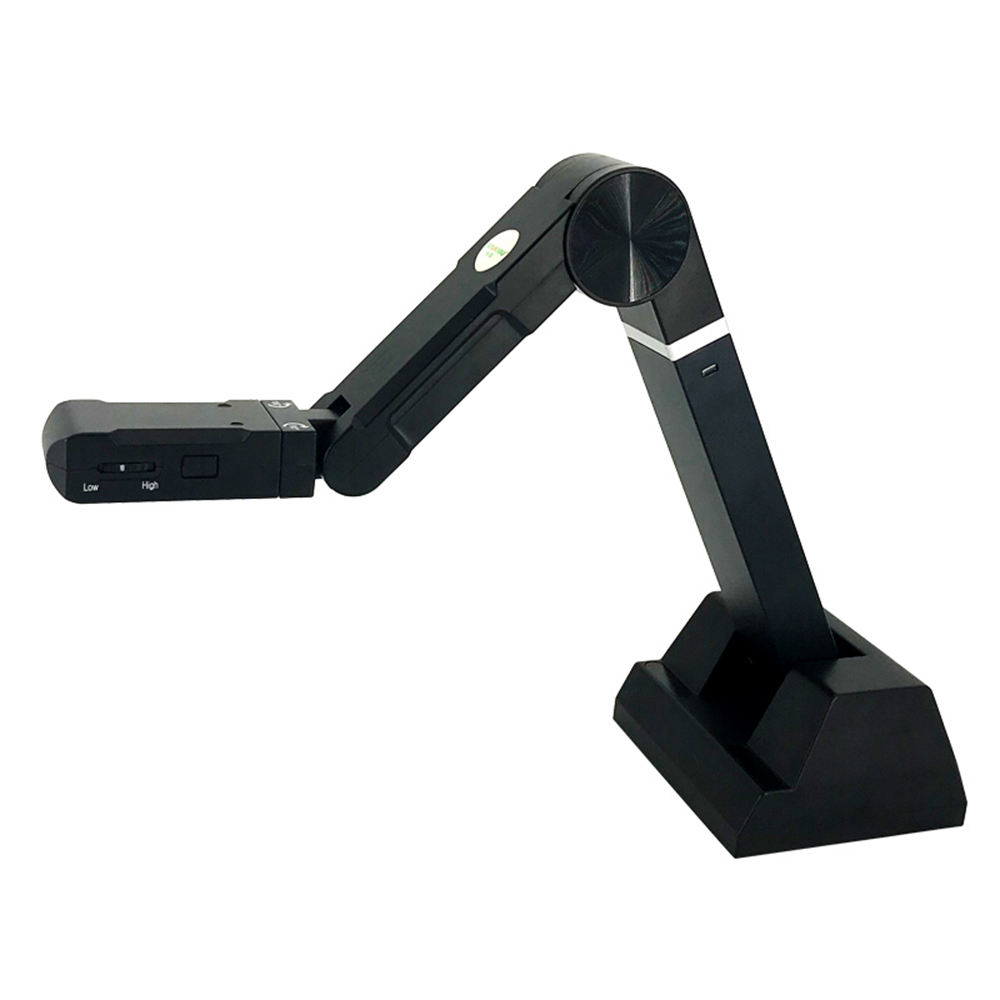
Document Camera High Quality OEM Portable WiFi Camera Scanner Multi-Interface Visualizer for Scanning Book Document
A portable WiFi camera scanner with multiple interface options for book and document scanning. Well suited to OEM buyers who want one hardware platform adapted across education, office and library channels.

China Document Camera A3 Portable Wireless 13mp Visualizer Document Camera
A3 portable 13MP wireless document camera visualizer for education distributors and wholesale catalogues. A production-ready model for buyers who need a balanced combination of resolution, wireless flexibility and factory support.
Need a private-label foldable visualizer with CE documentation?
Send your target market, capture area, resolution, connectivity, annual volume and required certification file. We will map the right model or customization route.
How Wholesale Buyers Will Source Foldable Document Cameras
Procurement is shifting from product-only comparison to compliance, deployment speed, software fit and total cost of ownership. These six trends are especially relevant for distributors, tender suppliers and private-label brands.
Compliance-first sourcing
Buyers increasingly shortlist suppliers that can provide CE, FCC, RoHS, 3C and ISO9001 evidence, model-matched declarations and product labels before purchase orders are issued. A CE certified foldable document camera is more valuable when the factory can support the documentation trail.
Hybrid and mobile classrooms
Education budgets are moving toward devices that work in both face-to-face and remote lessons. Foldable cameras that can be moved between rooms, stored quickly and connected without a long setup process are easier to justify than fixed-only visualizers.
A3 and fine-detail digitization
13MP A3 capture is becoming more common in tenders involving engineering drawings, legal records, textbooks and archival documents. Wholesalers should separate true A3 demand from A4-only demand to avoid over-specifying every project.
Wireless reliability over novelty
5.8GHz wireless models are attractive because they reduce cable clutter and allow movement around the classroom. Procurement teams now ask about interference, pairing stability, privacy and fallback USB modes rather than treating wireless as a simple feature badge.
Tender-ready documentation
Public-sector and education tenders reward suppliers who can deliver datasheets, packing information, warranty terms, spare-part lists and firmware roadmaps. Documentation quality can influence evaluation as much as the camera itself.
Total cost of ownership
Wholesalers are calculating freight volume, installation time, support load and replacement-part availability. A foldable design can reduce packaging and storage costs, but only if the hinge, cable routing and serviceability are engineered for repeat use.
The Next Generation of Foldable Visualizers
Hardware competition is moving toward image intelligence, modular connectivity and serviceable mechanical design. The most successful OEM programmes will combine practical classroom features with documentation that helps buyers sell into regulated channels.
AI-assisted document capture
Auto edge detection, page-curvature correction, OCR-ready output and intelligent framing will become expected functions in higher-end visualizers. These features reduce training time and make document capture more consistent across teachers and counter staff.
Higher resolution without image bloat
13MP and 4K-class sensors are becoming more common, but the real development challenge is balancing detail with file size, frame rate and low-light performance. Wholesalers should test the complete capture-to-software workflow, not only the sensor specification.
USB-C and multi-interface design
USB-C, HDMI, USB-A and 5.8GHz wireless will coexist because different markets upgrade at different speeds. Driverless UVC support remains a strong selling point, especially for buyers who cannot install complex software on school or government computers.
Foldable mechanical engineering
Torque hinges, cable-routing channels, locking joints and replaceable modules are becoming differentiators. A foldable camera that feels stable at every angle will reduce returns and support claims in tender evaluations. Mechanical durability is part of product quality, not an afterthought.
Software ecosystem and privacy
Local processing, privacy controls and clear data-flow statements are becoming procurement questions. Document cameras that work with common annotation and video-conference platforms while avoiding unnecessary cloud dependency will be easier to approve.
Modular OEM platforms
Camera module PCB design, custom firmware, interface changes and housing adjustments allow one core platform to serve education, office, identity-verification and smart-device channels. Modularity lowers development risk and shortens time-to-market for private-label brands.
Procurement Signal Dashboard for 2025–2026 Planning
Use this directional planning index to structure internal buying discussions. It reflects common wholesale enquiry patterns for foldable document cameras and related imaging hardware.
CE documentation readiness
Mandatory gate for EU-facing channels and many international tenders.
A3 / 13MP demand
New education and archive projects increasingly request A3 capture or 13MP detail.
Wireless / hybrid demand
Buyers are planning cable-free or hybrid deployments for flexible classrooms.
OEM / private-label interest
Wholesale enquiries often require logo, packaging, firmware or interface customization.
Why Eshuni Is a Practical Wholesale Partner
Shenzhen Eshuni Technology Co., Ltd. is a manufacturer and solution provider for information collection and identity verification, serving education, finance, insurance, telecom, government and enterprise buyers.

Factory-direct imaging hardware since 2012
Eshuni designs and builds high-speed document scanners, video booths, book scanners, identity verification terminals, webcams and camera modules. The factory operates an ISO9001 quality management system, and products carry CE, FCC, RoHS and China 3C certifications. Hardware and software are developed in-house and protected by national patents.
ERP-driven production and supply-chain management help keep quality consistent and lead times manageable. Buyers can request product design support, project design support and on-site project application support, which is valuable when a document camera programme must fit a specific classroom, counter or tender scenario.
In-house R&D since 2012
A senior R&D team supports product design, project design and on-site project application, helping buyers adapt a foldable document camera to real deployment requirements.
Certified quality system
ISO9001 factory management plus CE, FCC, RoHS and China 3C product certifications support buyers who need compliance evidence for tenders and retail channels.
OEM / ODM and private label
Custom design, firmware adaptation, buyer-label production, packaging and interface planning are available for distributors and brand owners who need differentiation.
Project application support
Beyond a product quotation, Eshuni can discuss project design and on-site application support, which reduces integration risk for education, government and enterprise projects.
Export logistics experience
FOB, EXW and DDP delivery terms are supported, with regular shipment experience across North America, South America, Western Europe, South Asia and Africa.
Supply-chain consistency
ERP-driven production and supply-chain management, in-house hardware and software ownership, and national patents help protect buyers from avoidable quality and continuity risks.
How to Specify a CE Certified Foldable Document Camera Without Creating Tender Risk
Use these six specification gates to compare suppliers, prepare an RFQ and reduce the risk of a product that passes the datasheet review but fails in real deployment.
Resolution and capture area
Specify A4 or A3 first, then choose 8MP or 13MP. Use 8MP for standard A4 textbook and classroom work; use 13MP when A3 sheets, fine print, engineering drawings or archive scans must remain legible after zooming.
Hinge and mechanical durability
Ask about torque hinge life, arm locking, cable routing and replacement modules. A foldable camera is moved, stored and adjusted repeatedly; mechanical quality directly affects returns, support cost and user satisfaction.
Connectivity and power
Confirm USB, USB-C, 5.8GHz wireless, WiFi or HDMI requirements. For fixed desks, USB plug-and-play is efficient; for mobile teaching, 5.8GHz often gives a more stable live image in congested school networks.
Compliance file
Request CE, FCC, RoHS, 3C and ISO9001 documents, model lists, labels and declarations. Confirm that the certificate scope matches the exact model and factory, not only a similar product family.
Software and driverless compatibility
Test UVC driverless operation, common video-conference tools, annotation software and document-capture applications. A camera that works instantly on a school PC or government counter reduces installation and training time.
After-sales and spare parts
Clarify warranty terms, spare-part availability, remote troubleshooting and packaging protection. For tender projects, the supplier’s ability to support the installed base after delivery is as important as the initial price.
FAQ: Purchasing CE Certified Foldable Document Cameras
These are the questions most often raised by distributors, tender suppliers, school groups, government buyers and private-label brands during the quotation process.
What does CE certification mean for a foldable document camera?
+
Are you a document camera factory or a trading company?
+
Can you customize a foldable visualizer for our brand?
+
Should I choose 8MP or 13MP, and A4 or A3?
+
What is the difference between USB, 5.8G wireless and WiFi document cameras?
+
What MOQ, lead time and sample terms apply?
+
Which markets and trade terms do you support?
+
How do you control quality and production consistency?
+
What documentation can you provide for tenders?
+
How do you support after-sales and spare parts?
+
Request a Wholesale Quotation for CE Certified Foldable Document Cameras
Send your target market, capture area, resolution, connectivity, estimated annual volume and required certification file. Our team will recommend a model, outline the customization route and prepare a quotation for your project. For faster review, include your product application, tender deadline and preferred trade term.