Factory-direct imaging hardware · Shenzhen, China · Since 2012

China Wholesale USB Camera Scanner Exporter & Exporters

Shenzhen Eshuni Technology Co., Ltd. manufactures document cameras, visual presenters, book scanners, webcams and embedded camera modules for education, government, finance, insurance, telecom and enterprise buyers. OEM/ODM production, ISO9001 quality management, CE/FCC/RoHS/3C support and FOB, EXW or DDP delivery.

Export-ready product range

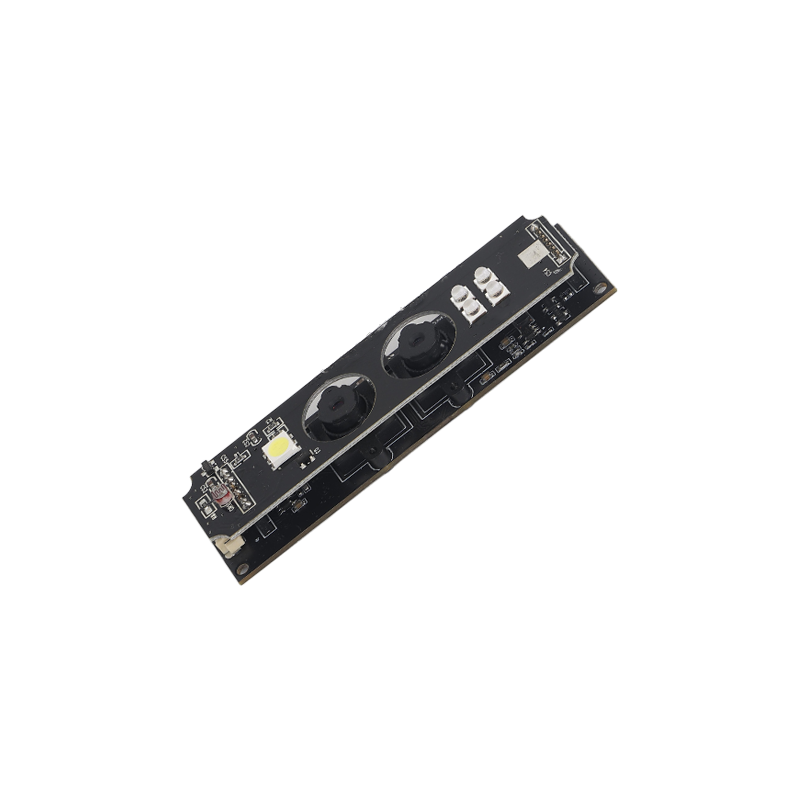
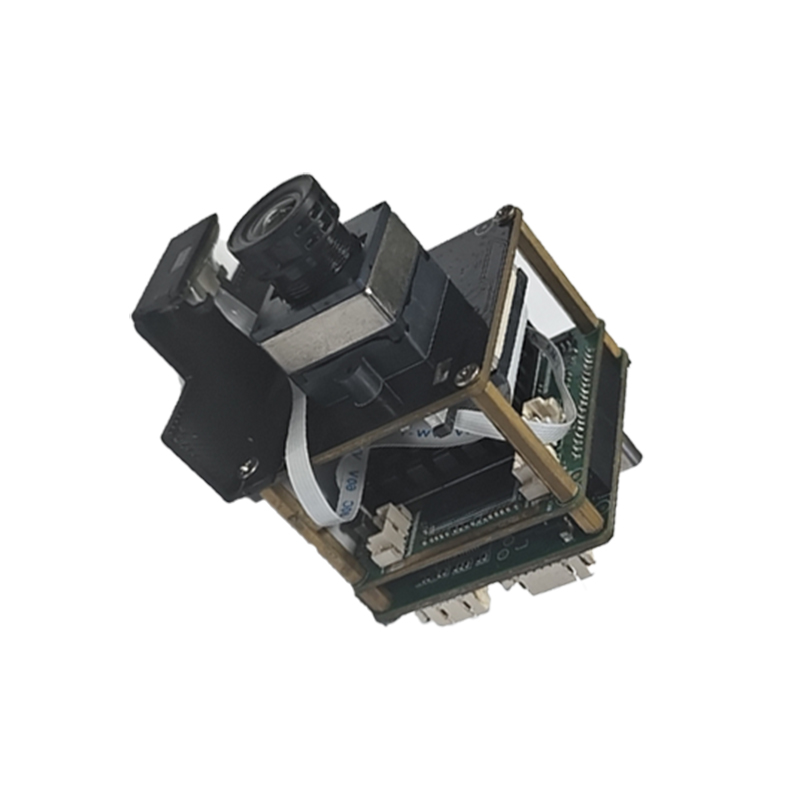
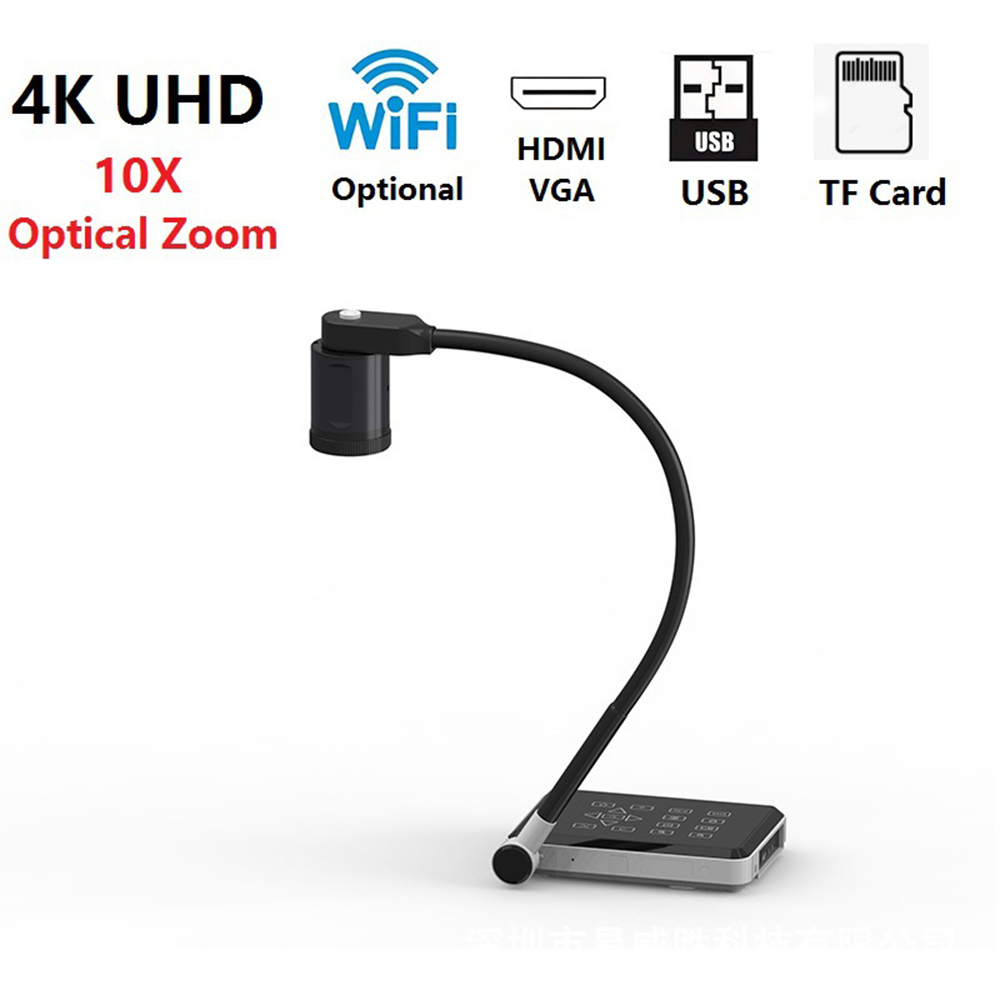
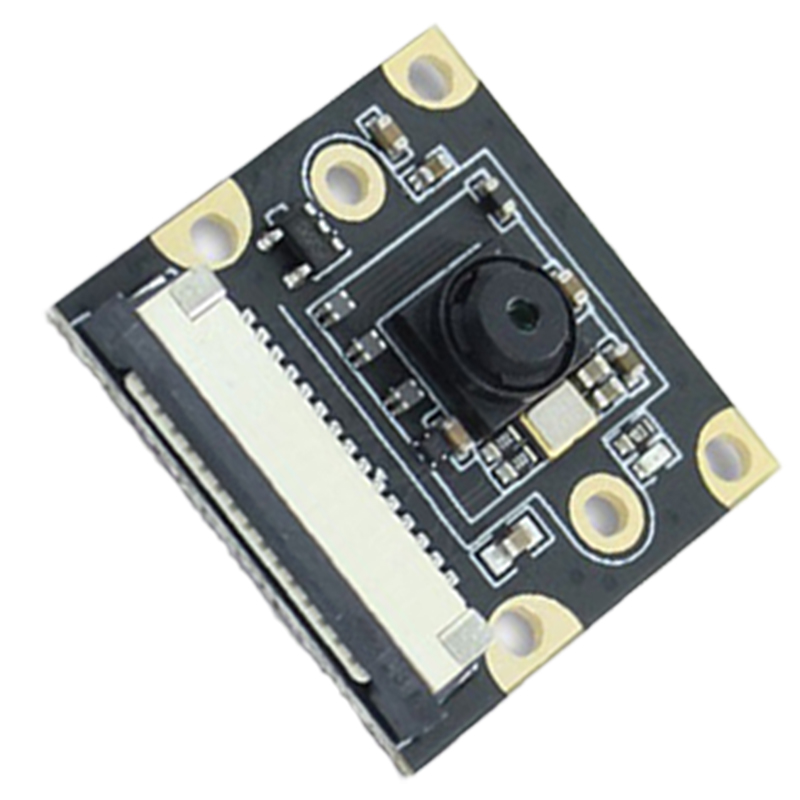
Eight Wholesale USB Camera Scanner Models for Global Buyers

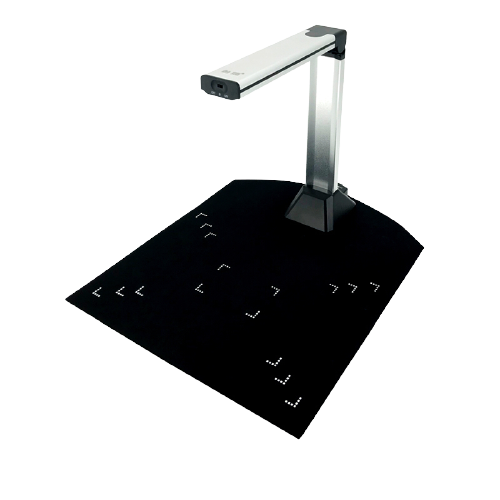
These catalogue models cover classroom visualizers, portable document cameras, book scanners and embedded camera modules. Product URLs are preserved as supplied. Every image frame uses contain scaling so the full product shape, mount and housing are visible without compression.

14+ Years of R&D and manufacturing focus in document cameras, visualizers and imaging hardware
3,000+ Square metres of factory floor area supporting production, testing and assembly
100+ Employees on site across production, engineering, quality and project support
5 Major export regions: North America, South America, Western Europe, South Asia and Africa
ISO9001 CE FCC RoHS 3C National patents
Enterprise advantage

Why Eshuni Works as a China Wholesale USB Camera Scanner Exporter

A serious wholesale buyer does not need another catalogue. They need evidence of manufacturing depth, customisation control, compliance documentation and a reliable route from sample to repeat order. The information gain lies in that operational proof.

Factory-direct since 2012

Eshuni was founded in 2012 as a manufacturer and solution provider for information collection and identity verification. The portfolio includes high-speed document scanners, video booths, book scanners, identity-verification terminals, webcams and camera modules. For a wholesale buyer, the quotation, engineering review and production plan can be handled by one connected team instead of being passed between unrelated suppliers.

In-house R&D backed by patents

Our senior R&D team works across hardware, sensor integration, firmware and application design. Core hardware and software are developed in-house and protected by national patents. This matters when a USB camera scanner project needs a non-standard capture area, firmware behaviour, mounting method or housing configuration: the engineering conversation starts at the source, not at a trading desk.

ISO9001 and export certifications

The factory operates an ISO9001 quality management system. Products are supported with CE, FCC, RoHS and China 3C certification according to model and market. We prepare the technical information needed for importer due diligence, tender review and retail compliance checking, helping buyers move from shortlist to purchase order with fewer unknowns and clearer accountability.

OEM, ODM and private label

OEM manufacturing, product design and buyer-label production are available. We can adapt logo, packaging, product configuration and firmware requirements for a private-label range. Existing models give buyers a faster route to market; custom work gives distributors and system integrators a more defensible specification instead of a commodity SKU that any competitor can undercut.

ERP-driven production control

ERP-based production and supply-chain management improve traceability from component planning to final inspection. That discipline matters in wholesale orders because late component changes, inconsistent BOMs and unclear QC ownership create hidden cost. Eshuni connects product design, project design and on-site project application support, reducing the gap between a tender specification and a shippable product.

Global trade and application support

FOB, EXW and DDP delivery terms are supported, with regular shipments to North America, South America, Western Europe, South Asia and Africa. We work with buyers in education, finance, insurance, telecom, government and enterprise. That application exposure helps our team recommend the right resolution, interface and mounting approach rather than pushing the highest-priced model without reference to the real workflow.

Product recommendation map

Match Wholesale Camera Scanner Models to Buyer Intent

Use this selection matrix as a tender-prep reference. It links real catalogue models to the purchasing intent behind the request, so distributors and project owners can compare fit before requesting a formal quotation.

Buyer scenario Recommended models Why it fits Wholesale note
Classroom live teaching and visual demonstration 13MP A3 2-in-1 Visualizer; WG133AF-HV V508 13MP clarity supports full A3 sheets and fine print. The three-mode VGA/HDMI/USB model helps with mixed classroom hardware. Good for education tenders, teacher bundles and private-label catalogues with clear price tiers.
Portable teaching, tutoring and hybrid learning Portable OEM 8MP Visual Presenter; Handheld USB A4 Book Scanner Compact formats reduce installation friction and suit teachers moving between rooms or tutoring centres. Sample-friendly for evaluation before volume orders; strong fit for smaller distributors.
Office document digitization and service counters OEM USB 5MP/8MP/13MP Visualizer; A4/A3 Book Scanner USB deployment and overhead capture speed up page, contract, receipt and bound-book digitization. Build a tiered catalogue around 5MP, 8MP and 13MP to serve different budgets.
Embedded vision, AI prototyping and OEM camera modules Binocular wide-dynamic module; Customized 4K live-streaming module; Nvidia-development board module Multiple resolution, focus and integration paths let engineering teams build devices without starting from a blank sensor design. Engineering review is recommended before tooling, enclosure or firmware commitments.
Government, banking and identity-check projects 13MP three-mode document camera; OEM USB 5MP/8MP/13MP scanner Clear document capture and stable interfaces support counter workflows, records capture and service verification. Discuss project-specific dual-camera or identity-verification configurations with the engineering team.
Retail and distribution assortment Combine 8MP portable models, 13MP A3 models and 5MP/8MP/13MP OEM visualizers Creates entry, mid-range and premium options without requiring unrelated suppliers for each line. Private label, packaging and firmware discussion can start from an existing model.

The best model is the one that matches the deployment environment, not simply the highest megapixel count. Share your capture area, interface requirement, software environment, order volume and destination market to receive a relevant recommendation.

Future procurement trends

What Wholesale Buyers Will Demand in the Next Camera Scanner Cycle

Procurement is shifting from “can this camera scan a page?” to “can this hardware be deployed, managed, documented and sustained across a multi-year programme?” That change favours manufacturers with engineering depth and transparent quality systems.

USB-first standardisation

Schools, offices and public-service counters are standardising around simple, known interfaces. USB models reduce training time and adapter risk, and they are easier to asset-tag and replace. For tender preparation, buyers should ask for interface documentation, operating-system compatibility notes and packaging that identifies the exact variant. A USB-first deployment plan is often more valuable than an exotic feature list that few users will operate correctly.

Wireless as a precision tool

Wireless capture remains useful where presenters need freedom of movement, but procurement teams increasingly treat it as a specialised option rather than a default. The key questions are network congestion, pairing reliability, latency and support ownership. Buyers building hybrid classrooms should separate standard USB rooms from wireless-enabled rooms, then specify accordingly. This avoids paying for wireless capability in every room while preserving flexibility where it genuinely changes teaching behaviour.

AI-ready capture, not AI theatre

Automatic framing, OCR, document boundary detection and image enhancement are becoming practical purchasing criteria. However, buyers should distinguish between device-level capability, host-software capability and cloud-dependent features. A supplier that understands sensor behaviour, lighting, thermal limits and firmware stability is more valuable than one that markets AI without explaining where processing happens. Request a workflow demonstration with real books, forms and classroom lighting before committing to a volume order.

Identity verification convergence

Document capture is converging with identity verification at government, telecom, banking and insurance counters. Projects increasingly require a clear view of the document and the person, plus consistent image quality for records. This trend raises the value of dual-camera configurations, stable lighting and disciplined hardware support. It also increases the importance of supplier documentation, because identity-related projects are scrutinised for traceability and deployment consistency.

Modular SKUs for integrators

System integrators want fewer, better-documented building blocks: a camera module, a housing option, a mounting solution and a firmware path that can be reused across projects. SKU rationalisation lowers certification effort and spare-parts complexity. For manufacturers, this means offering not only finished document cameras but also sensor modules and customisation pathways. Distributors benefit when they can serve education, office and embedded-vision customers from one qualified supplier relationship.

Compliance and lifecycle cost

Certification is no longer a final paperwork step; it is part of procurement risk management. ISO9001, CE, FCC, RoHS and 3C evidence should be discussed alongside packaging, firmware revision control, spare-parts planning and warranty process. The lowest unit price can become the most expensive choice if a supplier cannot furnish documentation or maintain the specification across repeat shipments. Buyers should score total cost of ownership, not just FOB price.

Product development trends

How USB Camera Scanner Hardware Is Evolving

The next generation of document cameras will be judged by optical quality, integration flexibility and supportability. Resolution alone will not differentiate a product in a crowded wholesale market.

Resolution with optics and thermals

Higher megapixels only help when the lens, lighting and image pipeline keep detail legible. Buyers should evaluate edge sharpness, colour consistency and heat behaviour during long lessons or counter shifts. A 13MP sensor with weak optics can underperform a well-tuned 8MP system. Future product development will focus on balanced optical design rather than marketing-only resolution upgrades.

Multi-interface by design

Classrooms and offices rarely refresh all displays at once. VGA, HDMI and USB coexistence remains useful in transition markets, while USB-C and wireless pathways grow in newer deployments. Multi-interface models reduce adapter confusion and make one SKU suitable for more projects. This is especially valuable for tender suppliers that must support schools with mixed equipment generations.

Compact, foldable, mountable

Portable visual presenters and handheld book scanners are gaining ground because deployment is simpler. Foldable arms, compact bases and flexible mounting reduce shipping volume and installation time. For distributors, compact packaging can lower freight cost and storage pressure. For end users, a device that can move between classrooms or counters delivers more value than a fixed unit that is difficult to redeploy.

Custom sensor and lens pathways

Embedded product teams increasingly need custom focal length, field of view, interface and mechanical integration. Camera modules for AI development boards, live-streaming systems and wearable concepts point to a future where finished document cameras share a common supply base with custom imaging modules. Manufacturers with in-house hardware and software capability can support that transition more efficiently.

Procurement FAQ

Questions Buyers Ask Before Ordering USB Camera Scanners

These answers reflect the details procurement teams usually need before a sample request, tender submission or private-label discussion.

Is Eshuni a manufacturer or a trading company?

Shenzhen Eshuni Technology Co., Ltd. is a manufacturer and solution provider for information collection and identity verification. We have focused on document cameras, visualizers, book scanners, webcams, identity-verification devices and camera modules since 2012. Production, R&D, product design and project support are connected in-house, which lets wholesale buyers discuss technical changes directly with the source.

Can the products be customized with our logo, packaging or firmware?

Yes. Eshuni supports OEM manufacturing, ODM product design and buyer-label production. Typical customisation discussions include logo, packaging, product configuration and firmware requirements. The practical scope depends on the model, order volume and project timeline, so the fastest route is to share your target specification and destination market for an engineering review.

Which certifications are available?

The factory operates an ISO9001 quality management system. Products are supported with CE, FCC, RoHS and China 3C certification according to model and market. Our hardware and software are developed in-house and protected by national patents. For tenders, confirm the exact model and destination country so the relevant documentation can be checked before quotation.

Should I choose 8MP or 13MP for a document camera?

An 8MP sensor is sufficient for A4 pages, textbooks and live classroom demonstrations where the audience needs a clear but not archival-grade image. A 13MP sensor is recommended for full A3 sheets, fine print, engineering drawings, library scanning or records projects where detail must remain legible after zooming. Match the resolution to the workflow; do not assume higher megapixels automatically improve usability.

What is the difference between USB, HDMI and wireless document cameras?

USB models are common for plug-and-play computer capture and fixed desks. HDMI and VGA outputs are useful where the camera must connect directly to a classroom display without a computer. Wireless models give presenters freedom of movement but require careful network planning and support ownership. A multi-interface model can reduce adapter risk in mixed-equipment environments.

What trade terms and export markets are supported?

Eshuni accepts FOB, EXW and DDP delivery terms. We regularly ship to North America, South America, Western Europe, South Asia and Africa. When requesting a quotation, include the destination country, preferred trade term and target order volume so the commercial and logistics assumptions are clear from the start.

How do we evaluate quality before a volume order?

Start with the application: what will be captured, under what lighting, at what distance, and on which interface. Then review the proposed model against those conditions and request the relevant certification, packaging and specification details. Eshuni’s ERP-driven production and ISO9001 system support traceability, while product design and project application support help close the gap between a sample and a repeatable shipment.

Can you support tender specifications and system integration projects?

Yes. We support product design, project design and on-site project application. For tender projects, share the required resolution, capture area, interface, software environment, certification and delivery schedule. For integration projects, share the sensor, mechanical and firmware constraints. Our team can then recommend an existing model or discuss a customised configuration from the broader imaging and identity-verification range.

Planning a Tender, Private-Label Range or OEM Camera Scanner Project?

Send your application, target resolution, interface, capture area, order volume and destination market. Our team will reply with a recommended model, customisation path and export plan.