8 Autofocus Document Camera Platforms for OEM Buyers and Wholesalers
These eight product paths cover classroom visualizers, portable A3/A4 scanners, wireless teaching cameras, government-facing dual-camera workflows and embedded 4K camera modules. Every image, product link and specification direction below is aligned with the original Eshuni product range.
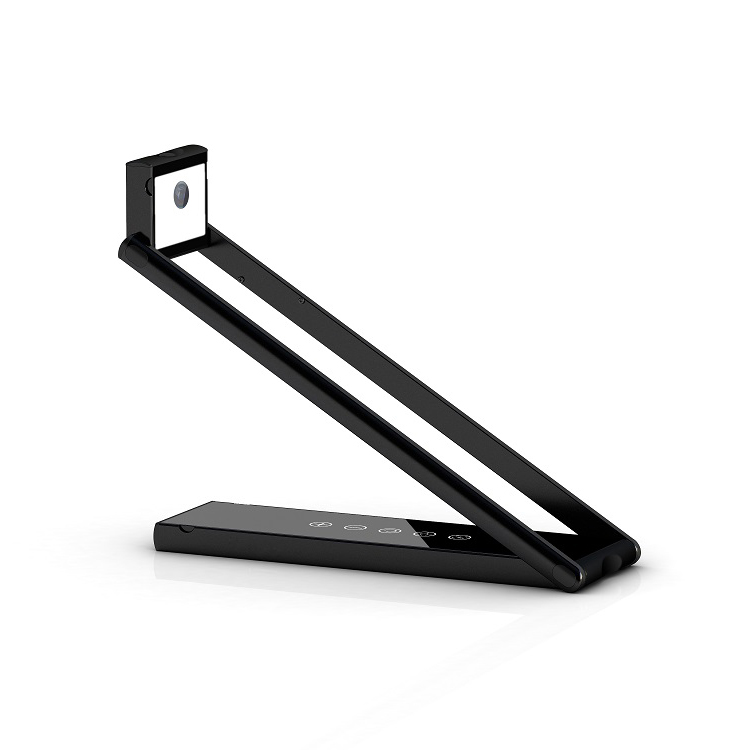
Education Equipment Visual Presenter Document Camera Scanner for A3 Books and Paper
A classroom-ready autofocus visualizer for textbook pages, worksheets, fine print and live demonstration. Ideal for education distributors that need a familiar form factor with OEM branding potential.
- Autofocus
- A3/A4
- Education
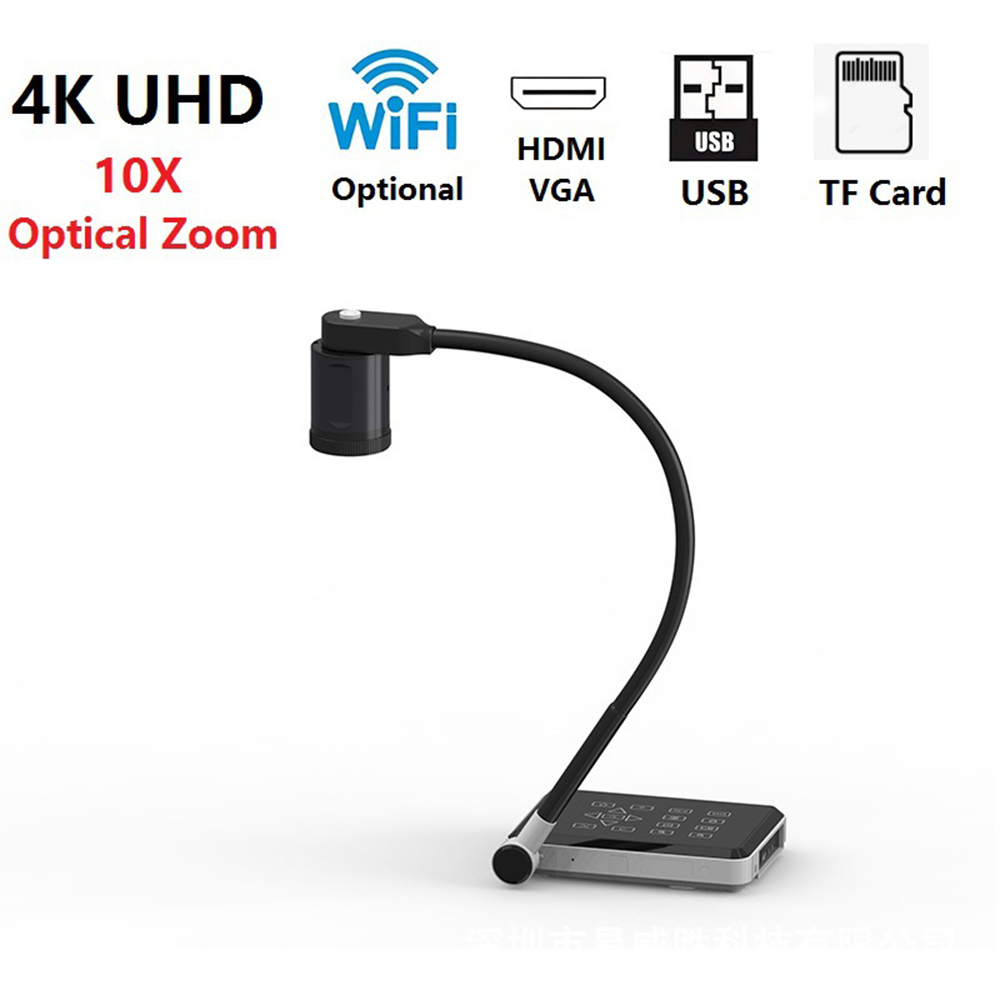
Visualized Handheld HD USB A4 Book Scanner & A3 Automatic Management Document Camera
Designed for plug-and-play USB capture at office counters, school desks and service windows. The hardware supports fast document review, book scanning and paper-to-digital workflows.
- USB
- HD capture
- A4/A3
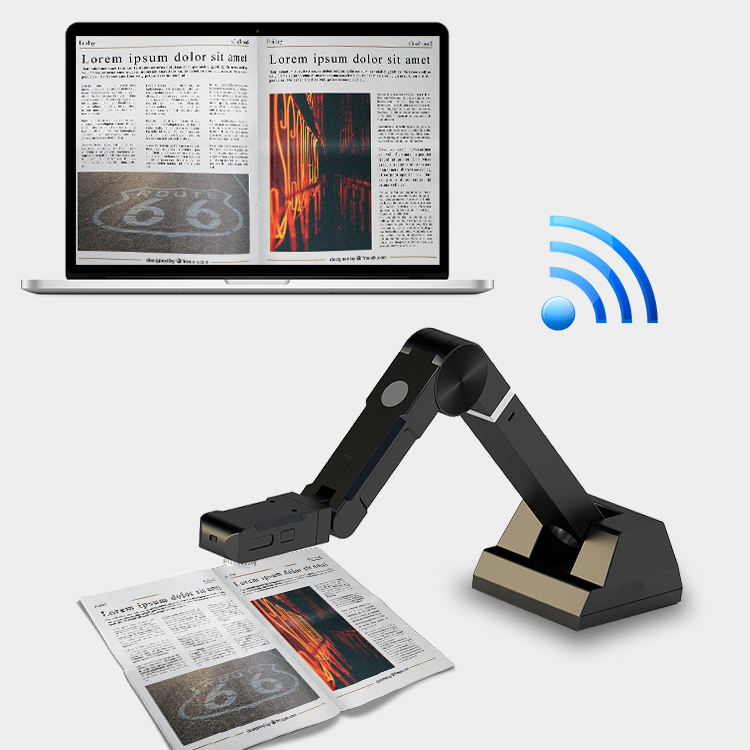
OEM USB Portable Smart Camera Visualizer WiFi A4/A3 Document Camera for Education
Flexible wired and wireless use for schools that want a compact book camera. Suitable for remote teaching, tutoring centres, library stations and distributor own-label ranges.
- WiFi
- Portable
- OEM
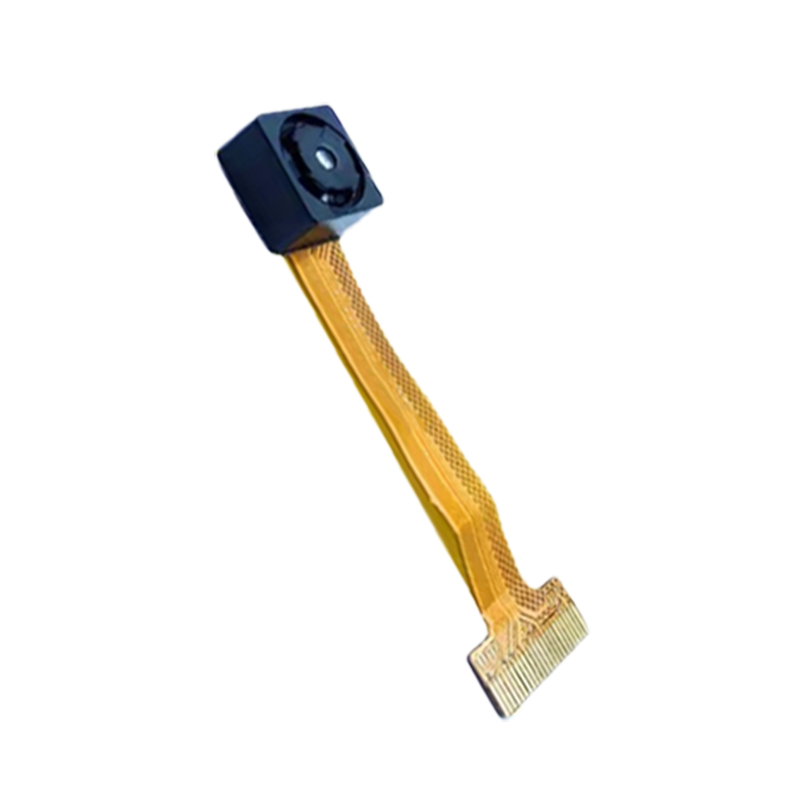
1080P, 2K and 4K Camera Modules with Wireless Transmission, Night Vision and Face Recognition
Embedded imaging modules for drone transmission, smart terminals, conference hardware and AI vision products. A practical route for integrators that need custom resolution and firmware support.
- 4K options
- AI vision
- Embedded

China Document Camera A3 Portable Wireless 13MP Visualizer Document Camera
High-resolution A3 capture for wholesalers serving universities, training rooms and archival projects. The 13MP class supports fine detail when images are enlarged or projected.
- 13MP
- Wireless
- A3

OEM Document Camera A3 Portable Wireless 13MP Visualizer Document Camera
A buyer-label version of the 13MP A3 wireless visualizer. Configure logo, packaging, firmware language and accessories for retail, tender or e-commerce channels.
- Private label
- 13MP
- Wireless
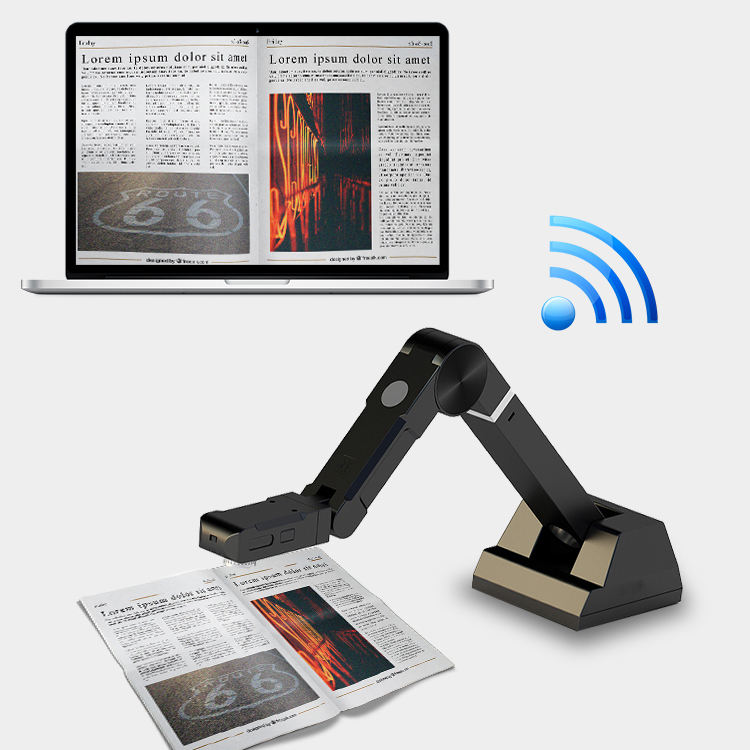
Visualized Handheld HD USB A4 Book Scanner & A3 Automatic Management Document Scanner
Built for records offices, reception desks and paper-heavy administrative workflows. The USB camera approach reduces training time while keeping deployment simple.
- USB
- A4/A3
- Office
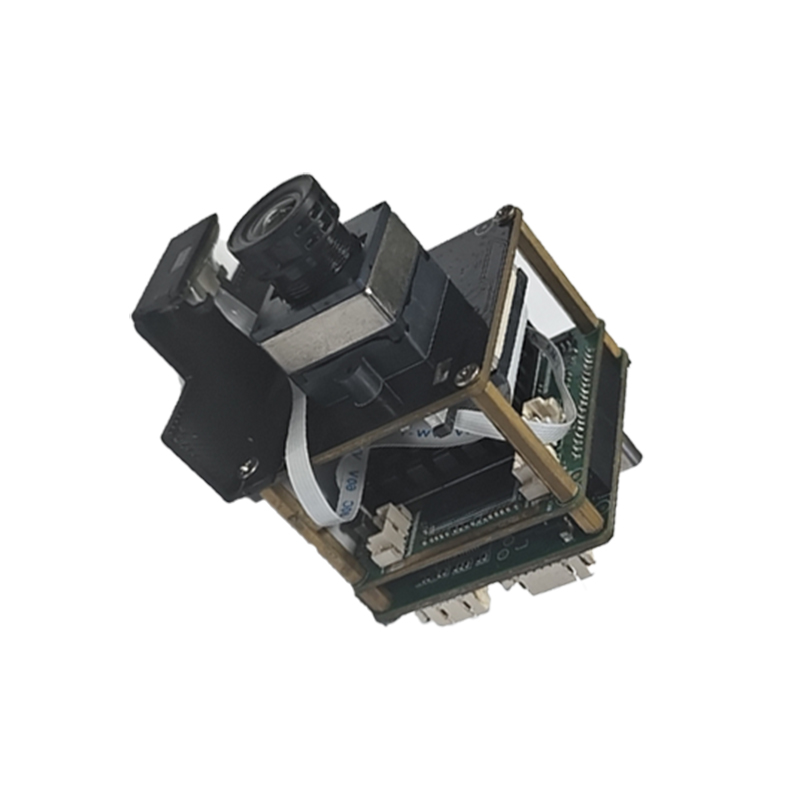
Factory-Customized HD Live Streaming 4K Camera Module for Conference and Teaching
A customizable camera module for conference systems, teaching terminals and multi-system integration. Suitable for B2B buyers that need hardware adaptation rather than a finished consumer SKU.
- 4K
- Custom firmware
- Integration
Custom OEM Autofocus Document Camera Manufacturer & Wholesalers: What the Category Now Demands
Autofocus is no longer a premium add-on. For distributors, tender teams and private-label brands, it is now part of the baseline expectation for any document camera described as classroom-ready, office-ready or visually professional.
Search intent is narrowing
Buyers now search for specific combinations: OEM autofocus document camera, A3 wireless visualizer, 13MP book scanner, USB teaching camera and custom 4K camera module. Generic “visualizer” pages rarely answer commercial intent.
Information gain matters
Wholesalers need more than a product photo. They need guidance on sensor choice, lighting, focus speed, wireless band, firmware language, private-label packaging and after-sales risk. That is the information gain that wins qualified inquiries.
Trust is operational
E-E-A-T in B2B hardware is not a paragraph on a homepage. It is evidence of factory process, certification, patents, trade terms, inspection capability, sample workflow and accountability when a tender deadline is close.
For a Custom OEM Autofocus Document Camera Manufacturer & Wholesalers campaign, the winning page must serve two audiences at once. The first is the sourcing manager who needs a reliable factory and a clear quotation path. The second is the technical evaluator who needs to understand why an 8MP autofocus module, a 13MP A3 visualizer or a 5.8GHz wireless link is the right choice for a classroom, government counter or hybrid learning deployment.
Shenzhen Eshuni Technology Co., Ltd. has focused on information collection and identity verification hardware since 2012. Its product range includes high-speed document scanners, video booths, book scanners, identity verification terminals, webcams, camera modules and autofocus document cameras. The company supports digital transformation in education, finance, insurance, telecommunications, government and enterprise environments, with three levels of technical support: product design, project design and on-site project application.
For wholesalers, the practical question is not “which camera has the highest megapixel count?” but “which manufacturing partner can keep focus performance, firmware consistency, packaging quality and delivery promises stable across repeat orders?” That is where an experienced OEM/ODM factory becomes a supply-chain advantage rather than a line item in a catalogue.
Procurement Trends Shaping Autofocus Document Camera Buying Decisions
Public tenders, distributor briefs and private-label enquiries are converging around a smaller set of non-negotiable requirements: fast autofocus, stable wireless performance, clear firmware ownership and predictable lifecycle support.
In 2025 and beyond, procurement teams are less willing to accept a manual-focus visualizer simply because it is cheaper. Hybrid classrooms, recorded lessons, remote tutoring and paper-to-digital counters have made image clarity a workflow issue, not a luxury feature. A blurry page during a live lesson or a failed ID capture at a service counter creates direct operational cost.
The second shift is modularity. Buyers increasingly ask for OEM autofocus document cameras that can be adapted with different sensors, lenses, wireless modules, housings and firmware. They want a platform they can scale from a school tender to a government pilot without changing the entire supply chain. This favours manufacturers with in-house R&D, ERP-driven production and experience across document cameras, webcams, scanners and embedded camera modules.
The third shift is evidence-based procurement. Trade capacity, certification, public buyer feedback and export history are checked before a sample is approved. A strong manufacturing story is no longer enough; the story must be verifiable.
Directional buyer-intent signals
Composite view of typical tender language and B2B project briefs; directional, not a statistical forecast.
Autofocus becomes assumed
Tender language increasingly specifies “autofocus” or “auto-focus lens” because teachers and counter staff cannot be expected to adjust focus manually during a live session.
Wireless with wired fallback
Wholesalers prefer dual-mode products because schools may block new wireless bands, while government counters often insist on USB for security and stability.
Firmware language and privacy
Buyers ask how firmware is controlled, whether local languages can be added and how image data is handled. Privacy-aware documentation is becoming part of the purchase file.
Resolution stratification
8MP remains effective for routine A4 classroom capture, while 13MP grows in A3, engineering drawing, archival and fine-print applications.
Modular camera platforms
Integrators want one core platform that can accept different sensors, wireless modules, mounting options and branding. This reduces re-validation cost across SKUs.
Lifecycle and repairability
Distributors are asking about spare parts, firmware updates, packaging durability and after-sales escalation paths before they commit to a seasonal forecast.
The procurement implication is clear: a manufacturer that can document autofocus performance, explain connectivity trade-offs and support repeatable OEM production is more valuable than a supplier competing only on unit price.
Product Development Trends for the Next Generation of Autofocus Visualizers
The next generation of document cameras will not be defined by megapixels alone. It will be defined by how quickly the device finds focus, how reliably it transmits the image, how easily it integrates into existing systems and how confidently a brand can support it in the field.
Faster, smarter autofocus
Focus speed and focus stability matter more than headline resolution in live teaching. Development is moving toward scene-aware focus behaviour that avoids hunting when a hand or page edge enters the frame.
4K as a module strategy
4K is most useful as a flexible module strategy for conference, streaming and teaching hardware. Not every document camera needs 4K, but the factory should be able to support it when the project requires it.
Hybrid classroom ergonomics
Foldable arms, compact footprints, multiple mounting points and simple cable routing are becoming product differentiators for teachers who move between rooms.
AI-assisted capture
Edge cropping, page-edge detection, glare reduction and document orientation are realistic near-term features. The commercial value lies in reducing operator steps, not in adding unverifiable AI claims.
5.8GHz wireless maturity
5.8GHz remains attractive because it is typically less congested than 2.4GHz in busy school networks. Product design must still include clear pairing, channel behaviour and fallback guidance.
Private-label at the platform level
Brands want more than a logo on the box. They need custom boot screens, language packs, accessories, packaging and documentation that make the product feel like their own.
Why Eshuni Is a Lower-Risk OEM Partner for Global Wholesalers
A strong product list is only useful if the factory behind it can support samples, customization, certification and repeat production. Eshuni’s operating model is built around those realities.

Shenzhen Eshuni Technology Co., Ltd. is a manufacturer and solution provider for information collection and identity verification. Since 2012, the company has developed and produced high-speed document scanners, video booths, book scanners, identity verification terminals, webcams and camera modules for digital transformation projects in education, finance, insurance, telecommunications, government and enterprise environments.
The company operates a 3,000+ m² factory with a 100+ employee team and a senior R&D group. Its three support levels — product design, project design and on-site project application — allow distributors to move from a catalogue request to a tender-ready configuration without losing technical clarity. ERP-driven production and supply-chain management help keep quality consistent and lead times manageable, while core hardware and software are protected by the company’s own intellectual property and national patents.
Certified quality system
The factory operates an ISO9001 quality management system, and products carry CE, FCC, RoHS and China 3C certifications where applicable. Documentation can be prepared for buyer compliance reviews.
OEM / ODM flexibility
Eshuni supports OEM manufacturing, product design services and private-label production. Buyers can adapt logo, packaging, firmware language, accessories and product configuration for their market.
In-house R&D and own IP
Core hardware and software are developed in-house and protected by national patents. That matters when a buyer needs firmware adaptation, long-term supply continuity or a differentiated product.
ERP-driven production
ERP-managed production and supply-chain workflows help reduce specification drift across repeat orders, which is critical for wholesalers managing seasonal forecasts and tender deliveries.
Global trade experience
The company regularly supports FOB, EXW and DDP terms and ships to North America, South America, Western Europe, South Asia and Africa. Public trade records document a 4.8/5 average buyer rating and onsite factory verification.
Project-level support
Support extends from product design to project design and on-site application guidance. That is especially useful for education tenders, government identity checks and finance or telecom counter deployments.
Where Autofocus Document Cameras Deliver Measurable Operational Value
The strongest product recommendation is the one tied to a workflow. These are the environments where autofocus and stable image capture change daily outcomes.
Education and hybrid teaching
Teachers can switch from textbook close-up to full A3 page view without manual focus adjustments. Schools gain smoother lesson delivery, better recorded content and less technical interruption.
- Autofocus for moving hands and page turns
- A3 capture for maps, diagrams and worksheets
- USB or wireless options for different classroom networks
Government and public service
ID cards, application forms and supporting documents must be captured clearly and consistently. Dual-camera or document-focused models reduce repeated scans and manual verification effort.
- Stable USB deployment for controlled networks
- Document and applicant image workflows
- OEM firmware and language adaptation
Finance, insurance and telecom
KYC checks, contract digitization and real-name registration require quick, legible capture at the counter. A reliable autofocus camera shortens customer handling time and improves record quality.
- Clear capture of small print and ID details
- Consistent image quality across branches
- Private-label and tender-ready packaging
How to Specify an OEM Autofocus Document Camera Before You Request a Quote
Use this comparison guide to clarify the commercial and technical direction before contacting a manufacturer. It reduces sample cycles and helps align engineering, procurement and sales teams.
| Project Scenario | Recommended Direction | Why It Works | Buyer Checkpoint |
|---|---|---|---|
| Classroom A4 and textbook demonstrations | Autofocus A3/A4 visual presenter | Balances resolution, focus speed and familiar teaching ergonomics. | Confirm projector resolution, lighting and mounting height. |
| Large A3 sheets, fine print and engineering drawings | 13MP A3 wireless document camera | Higher pixel density keeps detail legible after zooming or projection. | Ask for sample images of fine print and textured paper. |
| Flexible teaching with congested school Wi-Fi | 5.8GHz / dual-mode portable visualizer | 5.8GHz is often less congested than 2.4GHz, with USB fallback available. | Validate pairing, channel behaviour and fallback process. |
| Office, reception and records digitization | USB HD book scanner | Plug-and-play deployment reduces training and IT support load. | Check operating system support and cable length. |
| Government or bank counter identity checks | Document-focused USB camera | Supports consistent capture of forms, IDs and supporting papers. | Confirm image retention policy and firmware control. |
| Conference, streaming or embedded teaching hardware | Custom 4K camera module | Allows integration into a larger terminal or system design. | Define lens, interface, power, enclosure and firmware scope. |
For tender projects, the most efficient inquiry includes target resolution, capture area, connection type, operating system, language requirements, estimated order quantity, packaging direction and certification expectations.
Common Questions About OEM Autofocus Document Camera Procurement
These are the questions that most often appear in distributor, tender and private-label discussions before a sample order is placed.
What does “custom OEM autofocus document camera” include?+
Should I choose 8MP or 13MP for an autofocus document camera?+
What is the difference between USB and 5.8GHz wireless document cameras?+
Can Eshuni support private-label packaging and firmware?+
Which certifications and quality controls are available?+
What trade terms and markets do you support?+
How should a wholesaler prepare a first inquiry?+
Why choose a factory with document camera and camera module experience?+
Build Your OEM Autofocus Document Camera Range With a Factory That Understands Procurement
Share your application, target specification, estimated volume and delivery market. The Eshuni team can recommend a suitable autofocus document camera, define an OEM variation, or prepare a private-label proposal for your next tender or wholesale programme.