Eight Customizable Document Camera & Visualizer Platforms
The eight platforms below cover classroom visualizers, book scanners, dual-camera identity capture, 2-in-1 webcams and embedded camera modules. Each can be adapted around your sensor, lens, housing, firmware, packaging and buyer label requirements.
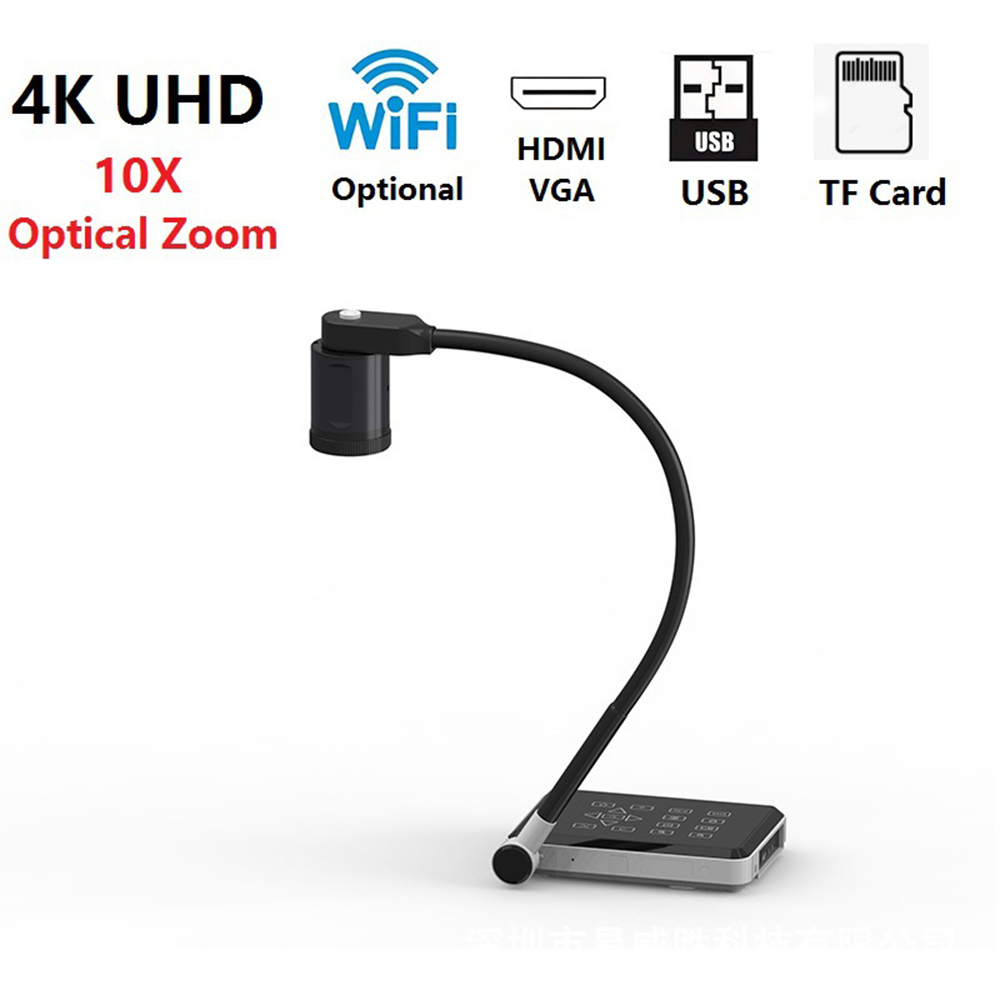
Visualized Handheld HD USB A4 Book Scanner A3 Automatic Management Document Camera Scanner
A handheld-to-desktop A3/A4 capture platform for book pages, paperwork and classroom demonstration. Configure stand, lighting, firmware, labeling and packaging around your tender or private-label range.
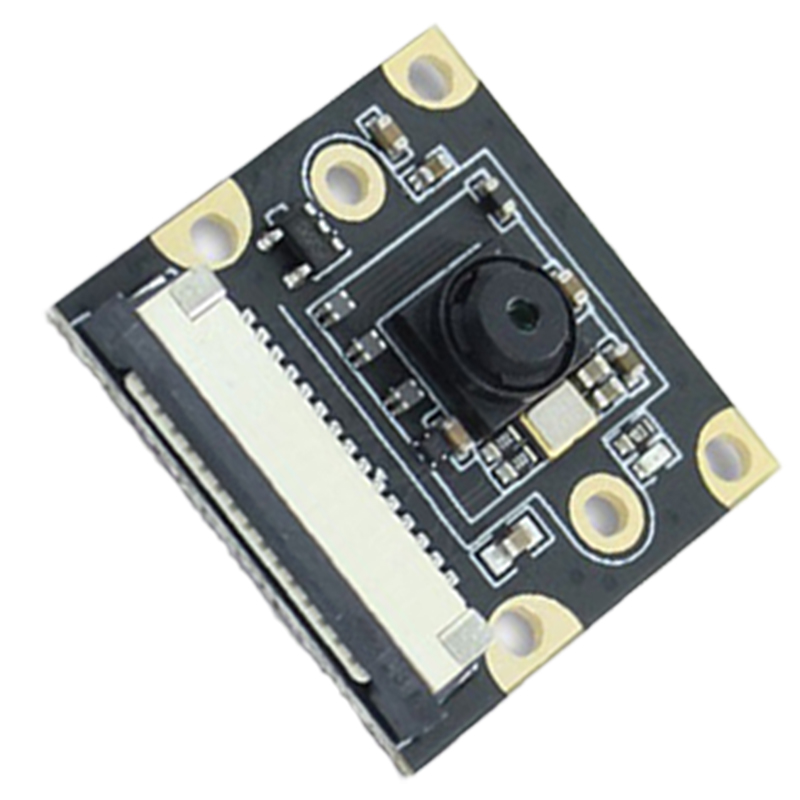
1080p/2K/4K Camera Module for Nvidia Development Board with Adjustable Focal Length
A compact 1080p/2K/4K camera module with adjustable focal length for Nvidia development boards, robotics and embedded vision projects. Suitable for buyers who need sensor, lens and board-level integration.
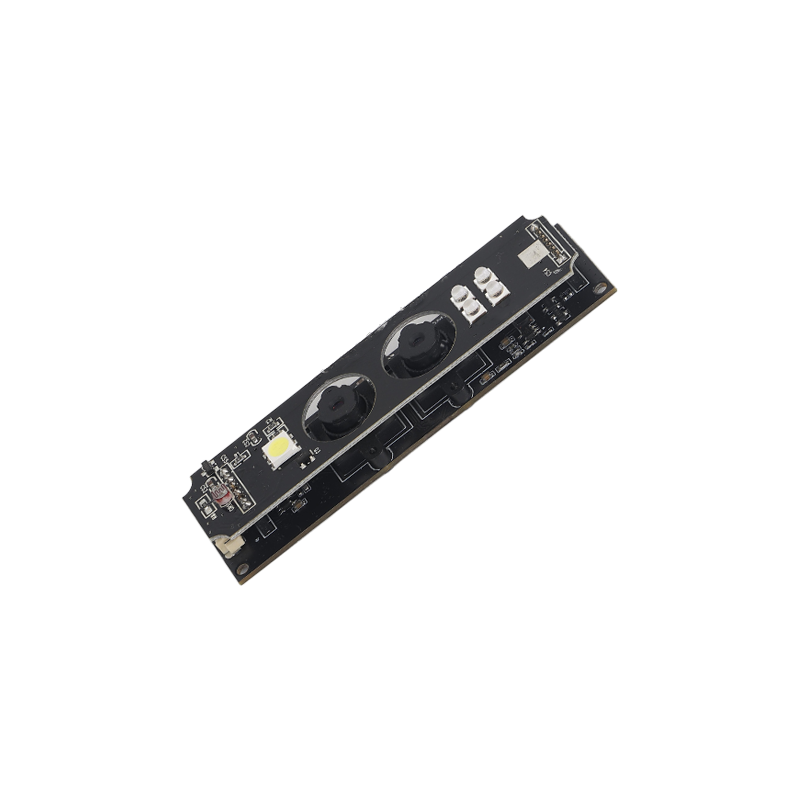
1080P/2K/4K HD Binocular Wide Dynamic Camera Module with Auto or Fixed Focus
A wide-dynamic binocular CMOS module available with auto-focus or fixed-focus options. Dual-lens geometry supports wide-angle and depth-aware applications where a conventional single camera loses detail.
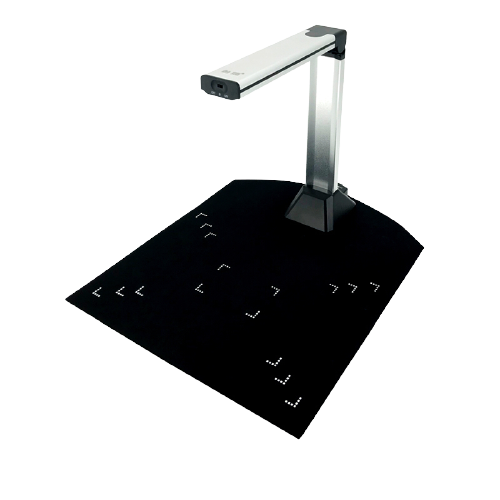
Portable OEM 8MP Document Camera Visual Presenter for Education Equipment
A foldable 8MP visual presenter for mobile teaching, field training and service counters. The portable format reduces installation friction while preserving full overhead document capture.
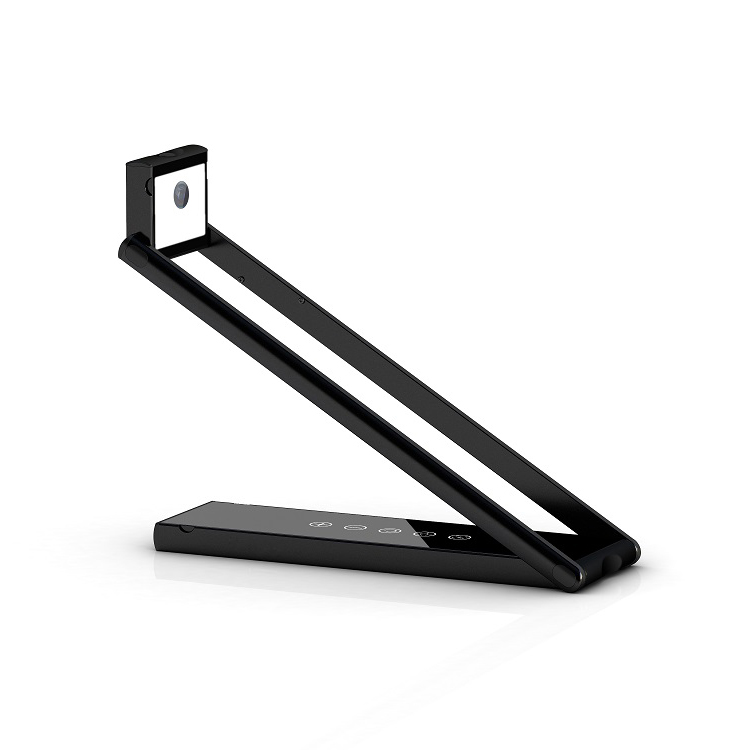
Education Equipment Visual Presenter Document Camera Scanner for A3 Books and Paper
A classroom-ready A3 document camera that captures books, worksheets and paper at presentation speed. Ideal for education equipment distributors seeking an established visualizer platform with OEM branding.

OEM USB A3 13MP 2-in-1 Education Visualizer Document Camera and Webcam
A 13MP 2-in-1 USB visualizer and webcam that switches between overhead document capture and face-to-camera communication. This reduces hardware count in online lessons, hybrid classrooms and help desks.
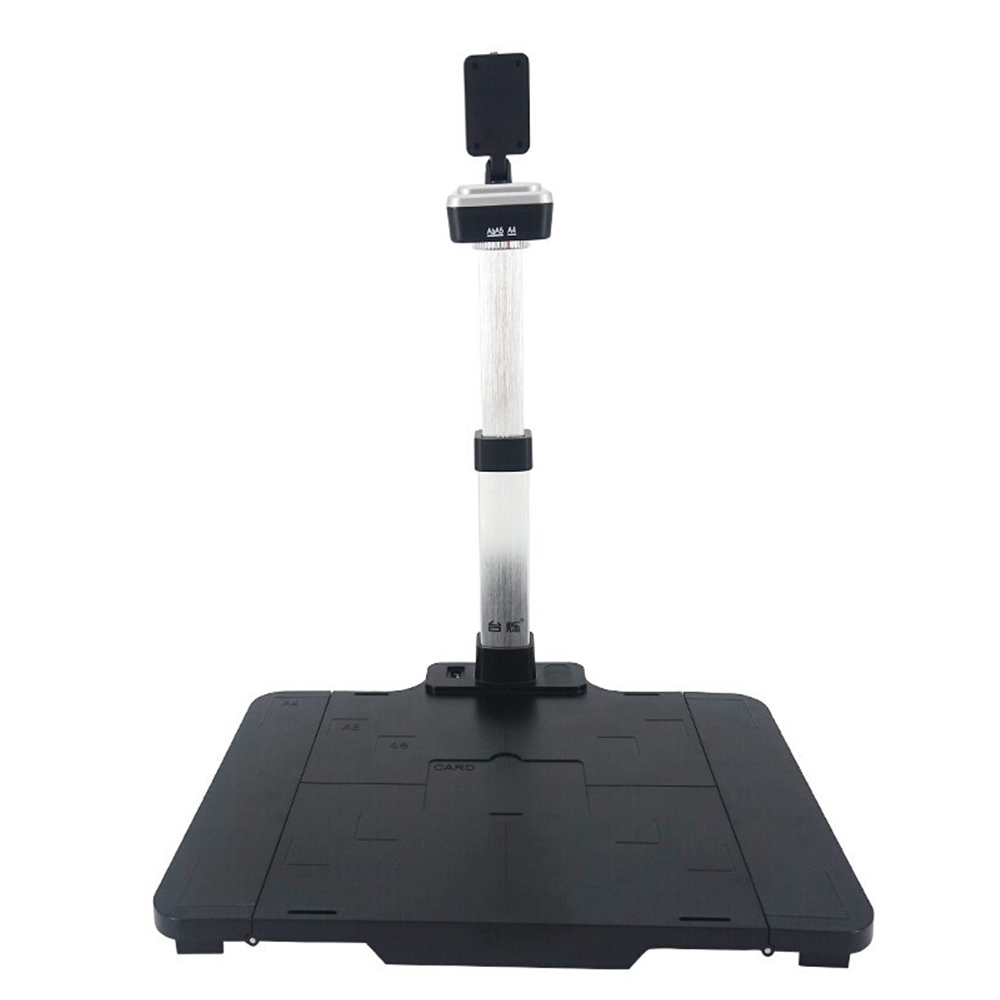
OEM HD 5MP Double Camera Document Camera Scanner for Government Documents
A 5MP dual-camera scanner designed for government, banking and telecom counters. It captures the document and the person on duty or applicant in one workflow, supporting identity-sensitive service processes.
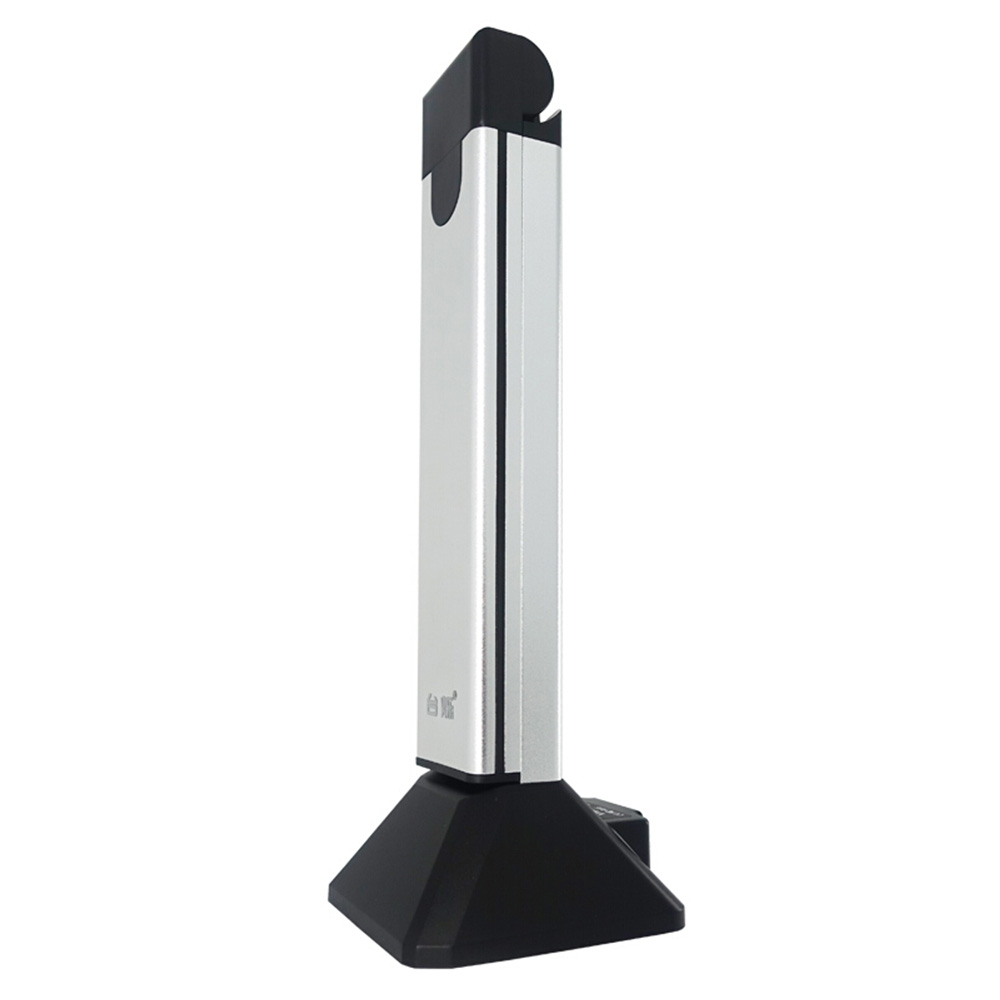
Document Camera Page Camera High Speed Page Scanner for Online Educational Equipment
A high-speed page-camera scanner for online education and document digitization. Designed for repeatable overhead capture of pages and books, with customization options for software workflow, housing and packaging.
Need a different sensor, lens, housing or firmware? Inquire Now
What Separates a Production-Ready OEM Visualizer from a Catalog Camera
The difference appears after deployment: legible small print after zoom, stable live video on school networks, consistent color across production batches and a supplier who can document compliance before the purchase order is released.
Optical clarity, not interpolation
Verify native sensor resolution, lens quality, focus repeatability and color consistency. For A4 worksheets and textbooks, 8MP is often sufficient. For full A3 pages, engineering drawings, fine print and archival scans, a 13MP platform gives buyers more headroom after digital zoom.
Workflow fit: USB and 5.8G wireless
USB visualizers are plug-and-play for fixed desks, counters and computer labs. Wireless models support teacher mobility; the 5.8GHz band is typically less congested than 2.4GHz in busy schools. Confirm driver-free operation, operating-system compatibility and live-video latency on sample units.
Compliance that can survive procurement
Check for an ISO9001 quality management system and product documentation covering CE, FCC, RoHS and China 3C where applicable. Patented in-house hardware and software also reduce long-term supply risk when a project requires firmware changes or model continuity.
Total cost over the deployment life
Compare more than the unit price. Packaging, labeling, spare-part planning, firmware support, after-sales response and engineering assistance all affect landed cost. A supplier that can support product design, project design and on-site application reduces friction for integrators and tender winners.
Match the Right Document Camera Platform to the Application
This reference reflects how our engineers specify visualizers for tenders, distributors and private-label ranges. The final configuration should always be validated with a sample against the real classroom, counter or software environment.
| Application | Recommended platform | Why it fits |
|---|---|---|
| K-12 classroom and hybrid teaching | 8MP or 13MP A3 visualizer, USB or 5.8G wireless | Full-page capture, simple teacher workflow and optional cable-free movement around the room. |
| Book, archive and paper digitization | 13MP USB A3 2-in-1 or high-speed page scanner | Higher resolution and repeatable overhead capture for bound pages, forms and records. |
| Government, bank or telecom counter | 5MP dual-camera document scanner | Document and person can be captured in one identity-sensitive service workflow. |
| Online tutoring and home learning | 2-in-1 document camera and webcam | One USB device covers face-to-camera communication and desk demonstration. |
| Portable field training and mobile desks | 8MP portable visual presenter | Foldable transport, quick setup and overhead capture without fixed installation. |
| Embedded vision, AR and robotics | Adjustable-focus or binocular WDR camera module | Board-level integration, compact geometry and flexible lens options for product developers. |
Six Purchasing Trends Reshaping Document Camera Visualizer Sourcing
Public tenders and private-label programs are moving away from one-off price comparisons toward measurable total cost of ownership, evidence-based compliance and long-term supply continuity.
Framework agreements replace one-off buys
Schools, government departments and distributors increasingly prefer multi-year supply arrangements. Buyers want stable models, predictable firmware support and repeatable packaging rather than a new low-cost camera for every purchase cycle.
Compliance evidence moves earlier
Certification and factory-system questions now appear in the first supplier screening. ISO9001, CE, FCC, RoHS and 3C documentation can shorten technical review, while unclear documentation creates avoidable tender risk.
Driver-free UVC becomes a baseline
IT teams favor visualizers that work with standard video software without additional drivers. Buyers should verify plug-and-play behavior across operating systems, interactive whiteboards, conferencing tools and document software.
Hybrid classrooms favor flexibility
A single fixed document camera no longer satisfies every teaching mode. Procurement teams increasingly specify models that support both desk-based USB capture and flexible wireless demonstration, or bundle a 2-in-1 webcam visualizer for online learning.
Regional SKU planning improves
Export buyers are localizing packaging, language, power accessories and labeling before shipment. A supplier with ERP-driven production and experience shipping to North America, South America, Western Europe, South Asia and Africa can reduce rework.
Serviceability enters landed cost
Spare parts, repair strategy and after-sales escalation are now evaluated alongside the quotation. Project owners calculate the cost of downtime, replacement units and firmware updates instead of treating the camera as a disposable item.
Six Technical Trends Buyers Should Specify Now
Document camera visualizers are becoming more capable, more connected and more application-specific. The following developments are relevant to distributors, tender writers and OEM teams planning the next product cycle.
Higher resolution is moving mainstream
13MP and 4K-class capture are no longer limited to premium models. As A3 documents, detailed diagrams and archival records become common, higher native resolution helps preserve legibility after zoom and digital cropping.
Wireless stability matters more than range
Teachers need low-latency video, not just a long connection claim. 5.8GHz transmission, interference management and fast reconnection are becoming more important than headline wireless distance in crowded classrooms.
AI assistance becomes a capture feature
Auto-focus, auto-framing, image enhancement and OCR-ready output are moving into mainstream visualizer workflows. The practical benefit is less setup time and more consistent document images for teaching, records and service counters.
Dual-camera identity workflows expand
Government counters pioneered dual-camera capture, but finance, insurance and telecom now need document-plus-person workflows for verification, account opening and customer onboarding. This creates demand for compact dual-lens scanners.
Camera modules become product platforms
AR glasses, wearables, robotics and Nvidia development boards need compact modules with adjustable focus, wide dynamic range and flexible interfaces. Module-level customization is becoming a competitive route for embedded product teams.
Repairability and export compliance rise
Modular assemblies, clear labeling and documentation-friendly packaging support longer product life and smoother customs clearance. Design for serviceability is becoming part of the product brief, not an afterthought.

Why Eshuni Is a Reliable OEM Document Camera Visualizer Supplier & Exporter
Shenzhen Eshuni Technology Co., Ltd. is a manufacturer and solution provider for information collection and identity verification. Founded in 2012, Eshuni designs and builds high-speed document scanners, video booths, book scanners, identity verification terminals, webcams and camera modules.
Our devices support digital transformation in education, finance, insurance, telecommunications, government and enterprise. Backed by an in-house R&D team, we provide three levels of technical support: product design, project design and on-site project application. ERP-driven production and supply-chain management help keep quality consistent and lead times manageable.
Eshuni's trading record is publicly documented on Alibaba.com, including an average buyer rating of 4.8/5, onsite factory verification and trade history. Buyers can review the company profile, trade capacity, credit index and buyer feedback before releasing a purchase order.
OEM, ODM and Export Support Built Around Real Buyer Workflows
From a single sample request to a multi-model private-label program, the value of a supplier is measured by engineering response, documentation quality, production consistency and export execution.
In-house R&D
Hardware and software development supports document cameras, webcams, scanners and camera modules from concept to production.
OEM / ODM / private label
Buyer-label production, product design and project-specific customization help distributors and tender winners build their own range.
Three-tier technical support
Product design, project design and on-site project application support align with the buyer's deployment scenario.
Certified quality system
ISO9001 management with CE, FCC, RoHS and 3C certifications where applicable supports tender and retail compliance review.
ERP-driven production
Production and supply-chain management help maintain batch consistency, material planning and repeatable export delivery.
Own IP and national patents
Core hardware and software are developed in-house and protected by national patents, reducing dependency on external platforms.
Global delivery terms
FOB, EXW and DDP terms are supported, with regular shipments to North America, South America, Western Europe, South Asia and Africa.
Application depth
Experience across education, government, finance, insurance, telecom and enterprise workflows informs model selection and customization.
From Brief to Bulk Shipment: A Controlled Customization Process
A clear workflow protects the buyer's schedule, certification plan and retail launch. Each stage should produce reviewable output, not just verbal confirmation.
Application brief
Define the use case, capture area, resolution target, USB or wireless requirement, software environment, target market and certification needs. This becomes the basis for model selection.
Engineering customization
Confirm sensor, lens, housing, firmware behavior, logo, packaging and label requirements. Engineering feasibility, MOQ and sample plan are agreed before tooling or production commitments.
Sample validation
Evaluate image quality, focus consistency, live-video latency, software compatibility and physical installation. Buyer approval should include the actual classroom, counter or integration environment where possible.
Production and export
ERP-supported production, quality checks, packaging confirmation and shipping documentation follow the approved sample. FOB, EXW and DDP terms can be discussed according to destination and order plan.
FAQ for Custom OEM Document Camera Visualizer Buyers
These are the questions most often raised by distributors, tender teams, system integrators and private-label brands before requesting a quotation.
Does Eshuni offer OEM and ODM document cameras and visualizers?
Yes. Eshuni supports OEM manufacturing, product design, buyer-label and private-label production, and project-specific customization. The in-house R&D team can assist with product design, project design and on-site project application. Final scope depends on the model, sensor, housing, firmware, packaging and order quantity.
Should I choose an 8MP or 13MP document camera?
An 8MP sensor is generally sufficient for A4 pages, textbooks and live classroom demonstrations. A 13MP sensor is recommended when capturing full A3 sheets, fine print, engineering drawings or archival scans where details must remain legible after zooming or cropping.
What is the difference between USB and 5.8G wireless visualizers?
USB models are plug-and-play and draw power from the connected computer, which suits fixed desks, counters and computer labs. 5.8GHz wireless models allow teachers to move freely; the 5.8GHz band is typically less congested than 2.4GHz, helping maintain a stable live image in busy school networks.
Which certifications do Eshuni products and the factory hold?
The factory operates an ISO9001 quality management system, and products carry CE, FCC, RoHS and China 3C certifications where applicable. Core hardware and software are developed in-house and protected by national patents.
Which trade terms and export markets are supported?
Eshuni accepts FOB, EXW and DDP delivery terms and regularly ships to North America, South America, Western Europe, South Asia and Africa. Destination requirements, packaging language and shipping documentation should be confirmed during quotation.
Can firmware, housing, logo and packaging be customized?
Yes. Customization can cover logo, packaging, labeling, firmware behavior, housing changes and selected camera-module requirements. Engineering feasibility, tooling needs, MOQ and validation steps are confirmed after the application brief is reviewed.
What affects MOQ and lead time for an OEM order?
MOQ and lead time depend on whether the order uses a standard or custom housing, the sensor selected, firmware work, certification requirements, packaging complexity and order volume. Share the target quantity, destination market and launch schedule for a realistic production plan.
How do we start an OEM document camera visualizer project?
Send the application, capture area, required resolution, connection method, operating system, certification target, estimated quantity and destination market. Eshuni will recommend a suitable platform, identify customization options and propose a sample and validation path before bulk production.
Request an OEM Document Camera Visualizer Quotation
Share your tender specification or private-label plan. Eshuni's engineering team will recommend the right document camera, visualizer, webcam or camera module, then outline the customization path for your market.
Inquire Now OEM / ODM · ISO9001 · CE · FCC · RoHS · 3C · FOB / EXW / DDP