8 Custom Document Scanning Machines for B2B Programs
Choose from USB and wireless visualizers, A3/A4 book scanners, dual-camera document scanners and custom CMOS camera modules. Every platform can be adapted for private label, firmware, packaging and tender-specific requirements.

OEM USB 5MP 8MP 13MP Document Camera Visualizer for Education Camera Scanner or Office Document Scanner
- USB plug-and-play
- Education
- Office
A flexible sensor ladder for buyers who need one document camera platform across several price points and classroom or office use cases.
View product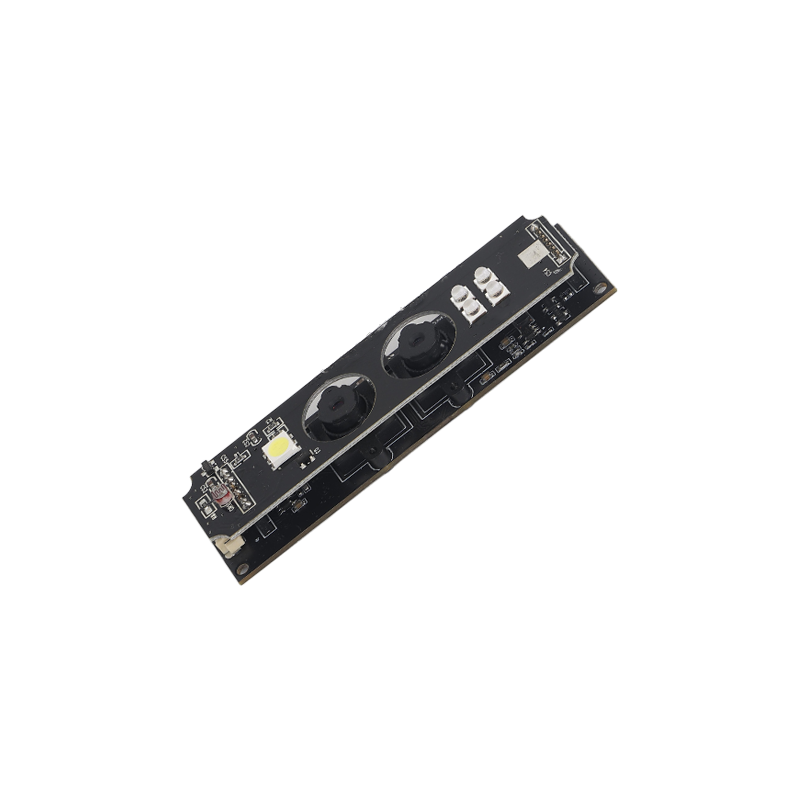
1080P/2K/4K HD binocular wide dynamic camera module CMOS sensor auto focus/fixed focus
- CMOS
- Wide dynamic
- OEM module
An integration-ready camera module for product teams building visualizers, identity terminals or embedded document capture devices.
View product
OEM Document Camera A3 Portable Wireless 13mp Visualizer Document Camera
- Portable
- Wireless
- A3 capture
A private-label A3 visualizer for tender supply, mobile teaching and multi-room classroom deployment where cable-free setup matters.
View product
China Document Camera A3 Portable Wireless 13mp Visualizer Document Camera
- Cost-effective
- Wireless
- Private label
A practical option for importers and distributors that need reliable A3 wireless document capture with volume-oriented customization.
View product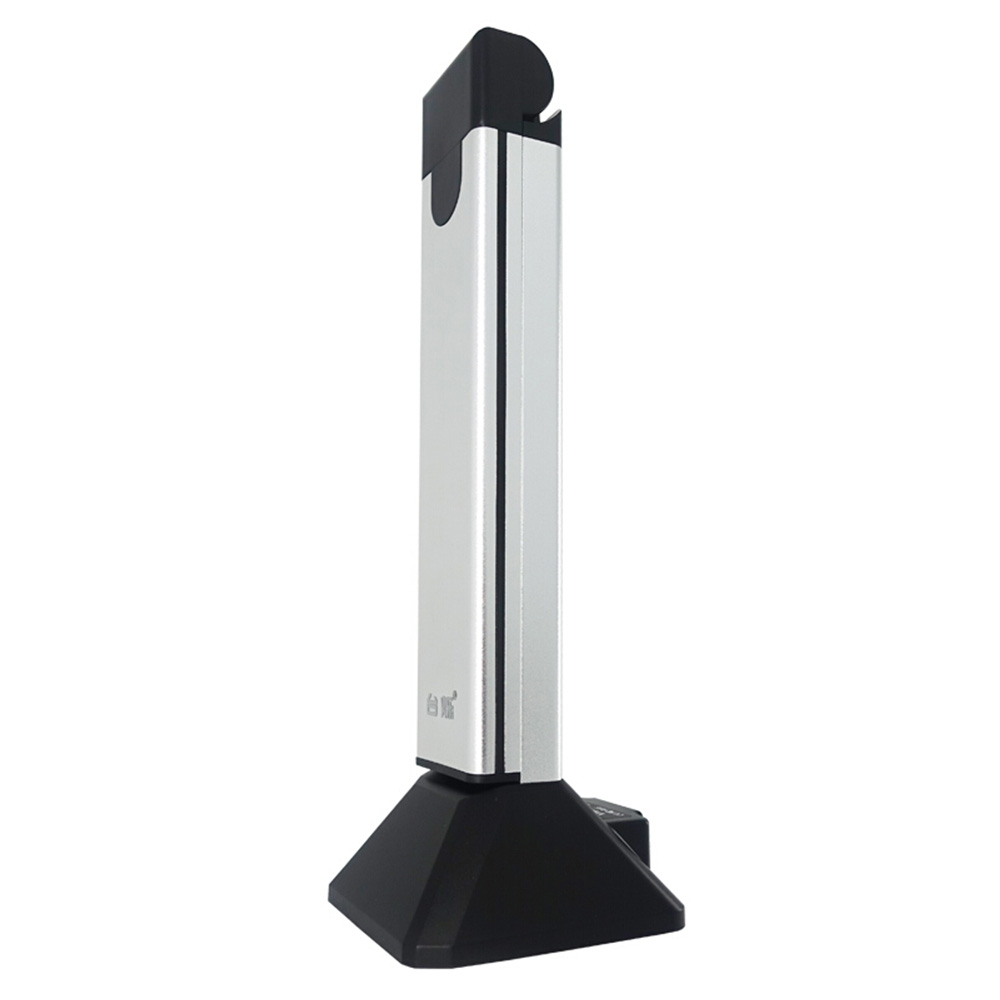
Document camera page camera high speed page scanner for online educational equipment
- Page capture
- Online teaching
- HD output
Engineered for fast page turning, live demonstration and remote lesson capture where teachers need a stable overhead image.
View product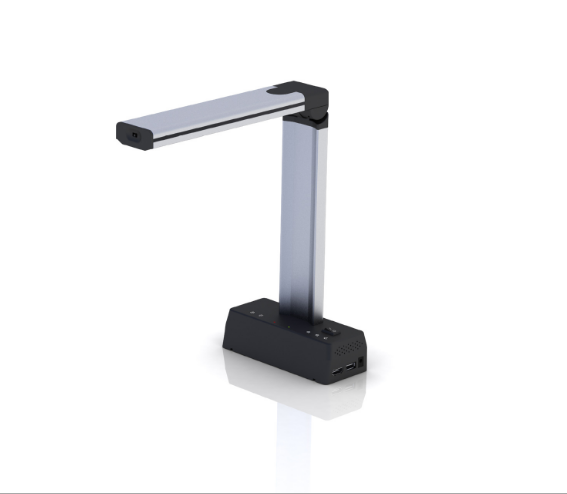
WIFI document camera visualizer wireless 5.8G WIFI OEM ODM Document scanner for education or office
- 5.8G WiFi
- OEM / ODM
- Flexible placement
Uses the less-congested 5.8GHz band for smoother classroom presentations and mobile document sharing without fixed cabling.
View product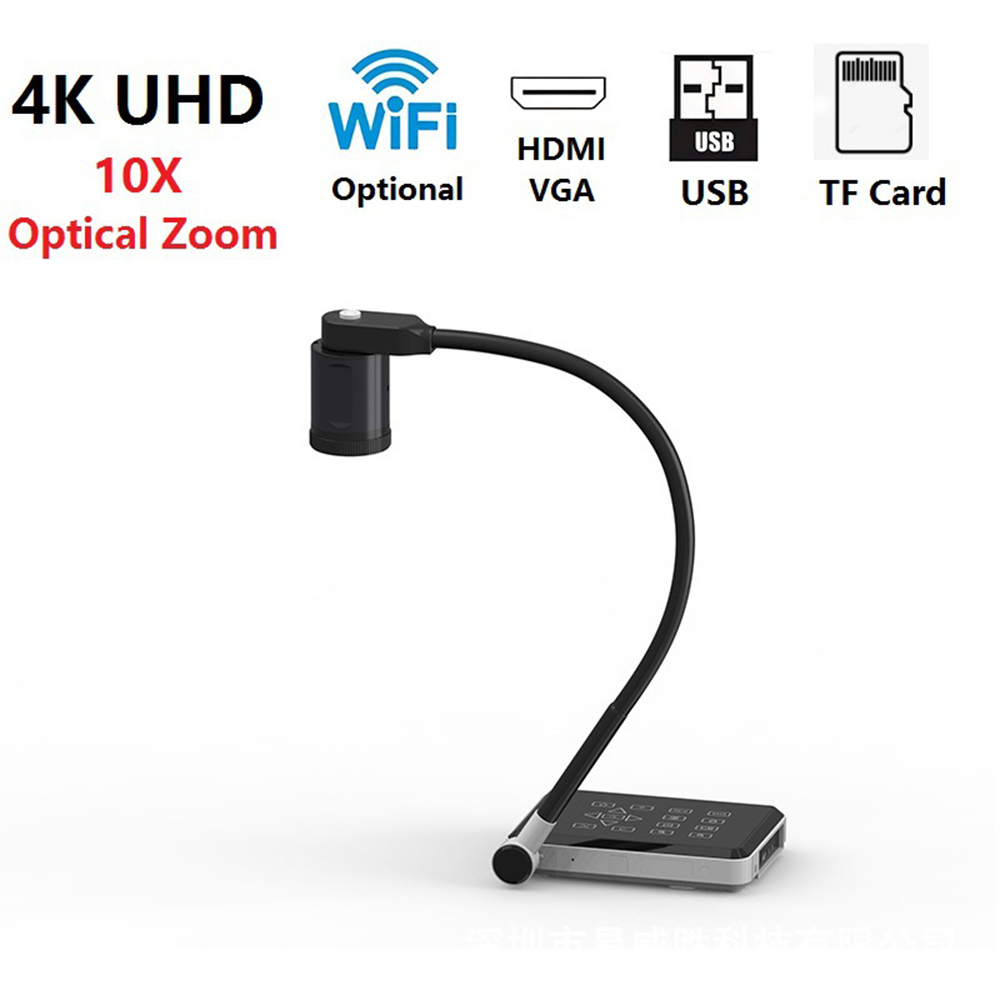
Visualized Handheld Hd Usb A4 Book Scanner A3 Automatic Management Document Camera Scanner
- USB
- Book scanning
- Automatic management
Built for digitization workflows that combine handheld flexibility with overhead A4/A3 capture for books, forms and records.
View product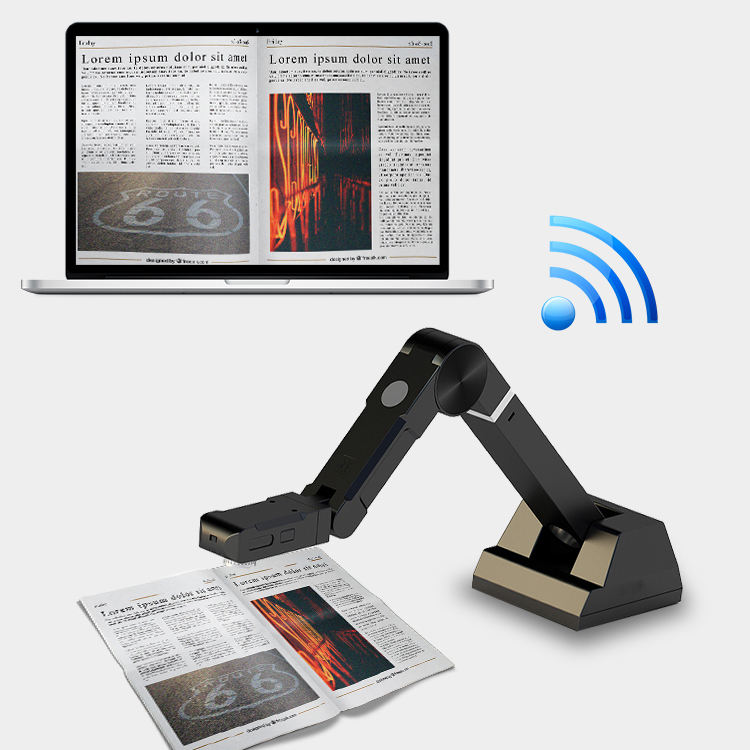
Visualized Handheld Hd Usb A4 Book Scanner A3 Automatic Management Document Scanner Camera
- A4 / A3
- HD USB
- Document capture
A companion scanner-camera platform for system integrators that require configurable capture, file management and private-label delivery.
View productNeed a sensor, housing or interface not shown here? The same factory platform can be adapted through the OEM/ODM process.
What Smart Buyers Look for in a Custom OEM Document Scanning Machine Supplier
Search intent around “Custom OEM Document Scanning Machine Supplier” usually splits into three buyer jobs: verify the factory, compare configurations, and de-risk private-label delivery. This guide addresses all three with procurement-grade detail rather than brochure claims.
Product-Market Fit First
Define whether the device is for live teaching, document archiving, identity verification or embedded integration. The same 13MP sensor can be specified very differently depending on lighting, capture area, frame rate and software workflow.
Lifecycle Over Landing Price
Ask about firmware updates, spare parts, packaging consistency, test reports and whether the supplier controls core hardware and software. A lower quotation can become expensive if field returns or certification gaps appear later.
Evidence, Not Adjectives
Request sample units, MTF or sharpness checks, colour accuracy notes, latency tests and destination-market compliance. ISO9001, CE, FCC, RoHS and 3C claims should be supported by documentation for the exact SKU.

Why Eshuni Is a Practical OEM Partner for Document Capture Hardware
Shenzhen Eshuni Technology Co., Ltd. is a manufacturer and solution provider for information collection and identity verification. Since 2012, the company has built document cameras, visualizers, book scanners, high-speed document scanners, identity verification terminals, webcams and camera modules for education, finance, insurance, telecom, government and enterprise users.
The advantage is not simply assembly. It is the combination of in-house R&D, OEM/ODM customization, ERP-driven production and application-level support. Buyers can move from product design to project design and on-site project application with one technical team. Core hardware and software are developed in-house and protected by national patents.
Public trade records, ratings and credit information help overseas buyers verify factory identity before committing to tooling, samples or tender stock.
In-House R&D and Own IP
Hardware and software teams support sensor selection, board design, firmware behaviour, image tuning and product differentiation under one roof.
OEM, ODM and Private Label
Logo, packaging, housing colour, interface options and client-specific firmware can be aligned with distributor or tender requirements.
Quality Management System
ISO9001 operation, plus CE, FCC, RoHS and China 3C certification support for applicable products and target markets.
Factory Scale and ERP Control
A 3,000+ m² facility and 100+ on-site employees support repeatable production, supply-chain visibility and planned delivery.
Application-Level Support
Product design, project design and on-site application support help buyers match devices to classrooms, counters and document workflows.
Export and Trade Experience
FOB, EXW and DDP delivery terms are supported, with regular shipments to North America, South America, Western Europe, South Asia and Africa.
How Document Scanning Machine Procurement Is Changing
Purchasing teams are moving away from one-off catalogue buys toward evidence-based, lifecycle-managed sourcing. The strongest suppliers will be those that can prove consistency, not just promise specifications.
Tender-Grade Evidence Replaces Brochure Specs
Public-sector and education buyers increasingly request sample reports, test images, conformity documents and SKU-level certification. A supplier that can answer technical questions with evidence reduces bid risk for importers and integrators.
Hybrid Classrooms and Distributed Capture
Education procurement now supports in-room demonstration, remote teaching and content recording. Document cameras are evaluated as part of a broader capture stack, including USB UVC compatibility, microphone options and software integration.
Compliance by Destination Market
CE, FCC, RoHS and 3C requirements differ by product type, radio module and destination. Buyers are asking for compliance mapping earlier in the process because late changes can delay retail listing or public tenders.
Total Cost of Ownership Takes Priority
Procurement teams now score power reliability, field return risk, spare-part availability, firmware maintenance and packaging durability. These factors often matter more than a small difference in unit price over a three-year deployment.
Private-Label Differentiation
Distributors want a product that is not identical to every marketplace listing. Custom colour, packaging, boot logo, document camera software shortcuts and accessory bundles are becoming normal OEM requests.
Pilot-to-Scale and Dual Sourcing
Buyers often start with a sample, then a pilot batch, then a framework order. Documentation, repeatability and clear change-control procedures determine whether a supplier passes from pilot to long-term volume.
Where Document Camera and Scanner Technology Is Heading
The next generation of OEM document scanning machines will be judged by image intelligence, integration flexibility and privacy-aware deployment, not only megapixel count.
Edge AI and On-Device Cleanup
Auto-crop, deskew, glare reduction, document boundary detection and OCR pre-processing are moving closer to the device. This improves throughput and can reduce dependence on PC-side software.
5.8GHz Wireless and USB-C/UVC
Wireless visualizers remain attractive where teachers move between rooms, while USB-C and UVC standardization simplify deployment across laptops, interactive panels and video-conferencing systems.
Higher Resolution and Larger Capture Areas
A3 capture with 13MP or higher resolution is increasingly requested for engineering drawings, textbooks and archive projects where zoomed-in legibility matters after capture.
Modular Camera Cores and FPC Modules
Device makers want reusable CMOS and FPC modules that can be dropped into AR wearables, kiosks, visualizers and identity terminals without redesigning the full imaging chain.
Privacy and Local Processing
Government and finance buyers need clear data-flow design. On-device capture, local storage options and controlled software permissions are becoming procurement checkpoints, especially for identity applications.
Sustainability and Repairability
Plastic selection, packaging reduction, repairable joints and replaceable accessory sets are appearing in RFQs. Suppliers with ERP traceability and stable BOMs are better placed to support these requirements.
A Practical Specification Framework for OEM Document Scanning Machines
Use this matrix to compare suppliers on engineering depth and project fit, not quotations alone. It is written for importers, distributors, tender consultants and system integrators.
Sensor and Image Quality
Confirm resolution, sensor size, low-light behaviour, colour consistency, distortion control and frame rate. For fine print and A3 capture, test the exact distance and lighting used in deployment.
Capture Area and Lighting
Check A4, A3 or book-scanning geometry, anti-glare treatment and supplemental lighting. A good document camera must keep text legible at the edges of the page, not only in the centre.
Connectivity and Control
Decide between USB plug-and-play, 5.8GHz wireless, HDMI or embedded module integration. Ask about UVC compatibility, latency, pairing behaviour and recovery after network interruption.
Firmware, SDK and Workflow
Clarify who owns the firmware, what can be customized, whether an SDK exists and how updates are managed. For volume buyers, boot logo, UI text, auto-crop and OCR handoff may be critical.
Mechanical and Branding
Review housing material, hinge life, lens protection, mounting options, packaging and label requirements. Custom colour and private-label packaging support retail and tender differentiation.
Compliance and Logistics
Map ISO9001, CE, FCC, RoHS and 3C evidence to the destination market and SKU. Confirm trade terms, packaging tests, lead-time assumptions and after-sales responsibilities.
Common Questions from OEM Buyers and Tender Teams
These are the questions that most often decide whether a supplier moves from first contact to sample, pilot and volume production.
Does Eshuni offer OEM and ODM document cameras and scanners?
Yes. The factory supports OEM manufacturing, product design and buyer-label production. In-house R&D can work on product design, project design and on-site project application. Typical customization includes logo, packaging, housing colour, firmware behaviour and accessory configuration.
Which certifications do your products and factory hold?
The factory operates an ISO9001 quality management system, and applicable products carry CE, FCC, RoHS and China 3C certification. Because requirements differ by SKU and market, buyers should request the exact certificate and test report for the model being purchased.
Should I choose an 8MP or 13MP document camera?
8MP is usually sufficient for A4 pages, textbooks and live classroom demonstrations. A 13MP sensor is preferable for full A3 sheets, fine print, engineering drawings, archives and any workflow where users zoom into the captured image. Test both resolutions with real documents before locking a tender specification.
What is the difference between USB and 5.8G wireless document cameras?
USB models are plug-and-play, powered by the computer and ideal for fixed desks or counters. 5.8GHz wireless models let teachers move freely and can be more stable in busy school networks because the band is often less congested than 2.4GHz. Choose based on room layout, cabling policy and IT support.
Which trade terms and export markets do you support?
FOB, EXW and DDP delivery terms are supported. Regular shipments go to North America, South America, Western Europe, South Asia and Africa. For tender projects, provide the destination, packaging language, certification scope and required delivery window so the quotation can be structured correctly.
Can you customize housing, logo, packaging and firmware?
Yes, subject to volume and technical review. OEM projects can include private-label branding, packaging design, boot logo, default settings, language files, accessory bundles and selected firmware behaviours. Complex changes follow sample approval and change-control steps to protect repeat-order consistency.
How should we evaluate MOQ, lead time and repeat-order quality?
MOQ and lead time depend on configuration, materials and order history. A safe process is sample approval, pilot batch, then volume production. Ask for BOM control, inspection criteria, packaging checks and change notification procedures so the second and third orders match the approved sample.
How do we test image quality before placing a volume order?
Use a controlled test pack: small text, colour charts, glossy pages, A3 drawings and mixed lighting. Check edge sharpness, distortion, colour shift, glare handling, auto-focus speed, latency and file consistency. Record the test setup and attach it to the purchase specification for future comparison.
Planning a Tender, Private-Label Range or OEM Project?
Share your target capture area, resolution, connectivity, certification market, packaging language and estimated volume. The OEM team can recommend the right document camera, book scanner, visualizer or camera module and prepare a project-specific proposal.