Custom OEM WiFi Document Camera Factory & Wholesaler
Factory-direct visualizers, A3/A4 book scanners, 4K camera modules and private-label imaging hardware for education, government, finance and enterprise buyers.
What a Custom OEM WiFi Document Camera Really Delivers
Buyers are not just purchasing a camera. They are purchasing repeatable capture quality, tender-ready compliance, local support and a product roadmap that stays stable after the first shipment.
This guide is written from the perspective of Shenzhen Eshuni Technology Co., Ltd., a manufacturer and solution provider for information collection and identity verification since 2012. Our factory builds high-speed document scanners, video booths, book scanners, identity verification terminals, webcams and camera modules for education, finance, insurance, telecommunications, government and enterprise. The aim of this page is to help procurement teams compare real configurations, avoid low-value specifications and prepare a clearer RFQ before contacting a factory. For buyers, the most useful information gain is not another list of pixels. It is the relationship between sensor size, lens design, capture area, wireless stability, firmware ownership and after-sales support.
Eight Factory-Ready OEM WiFi Document Camera Platforms
Each product below can be adapted with buyer branding, packaging, firmware settings and market-specific certification support. Product URLs are preserved exactly for direct evaluation.
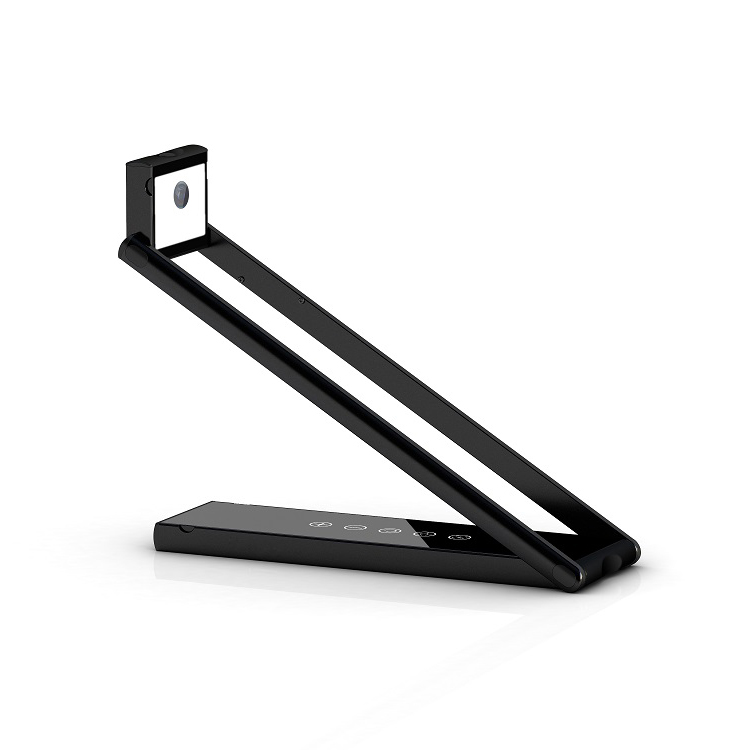
Education Equipment Visual Presenter Document Camera Scanner
A3 book and paper capture platform for classrooms, training rooms and remote teaching where teachers need clear text, diagrams and object demonstrations.
View product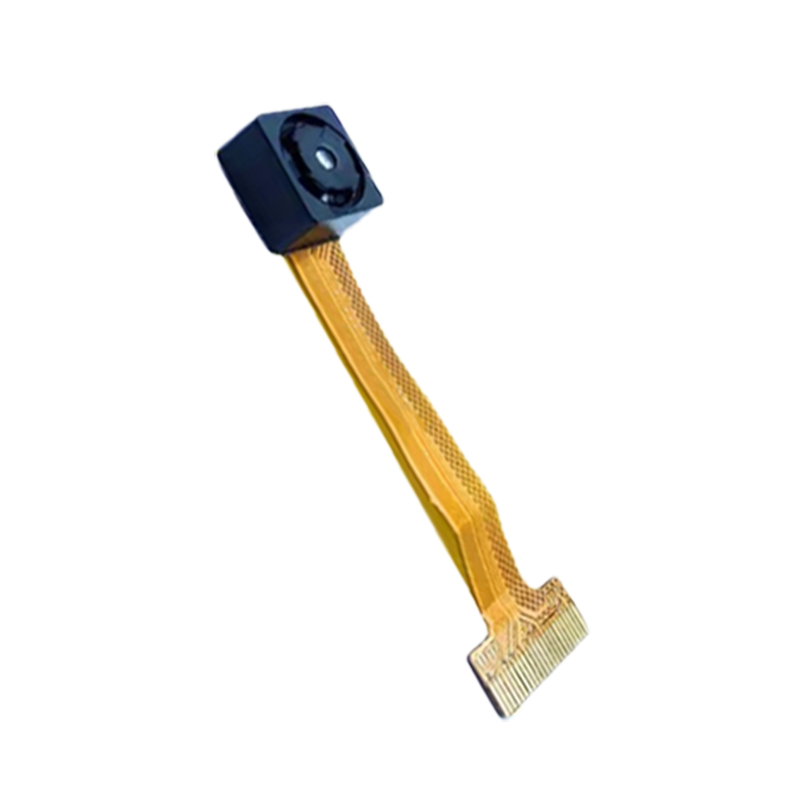
1080P / 2K / 4K Camera Module with Wireless Transmission & AI
Flexible camera module for drone wireless image transmission, night vision and face recognition integration, suitable for OEM projects and embedded systems.
View product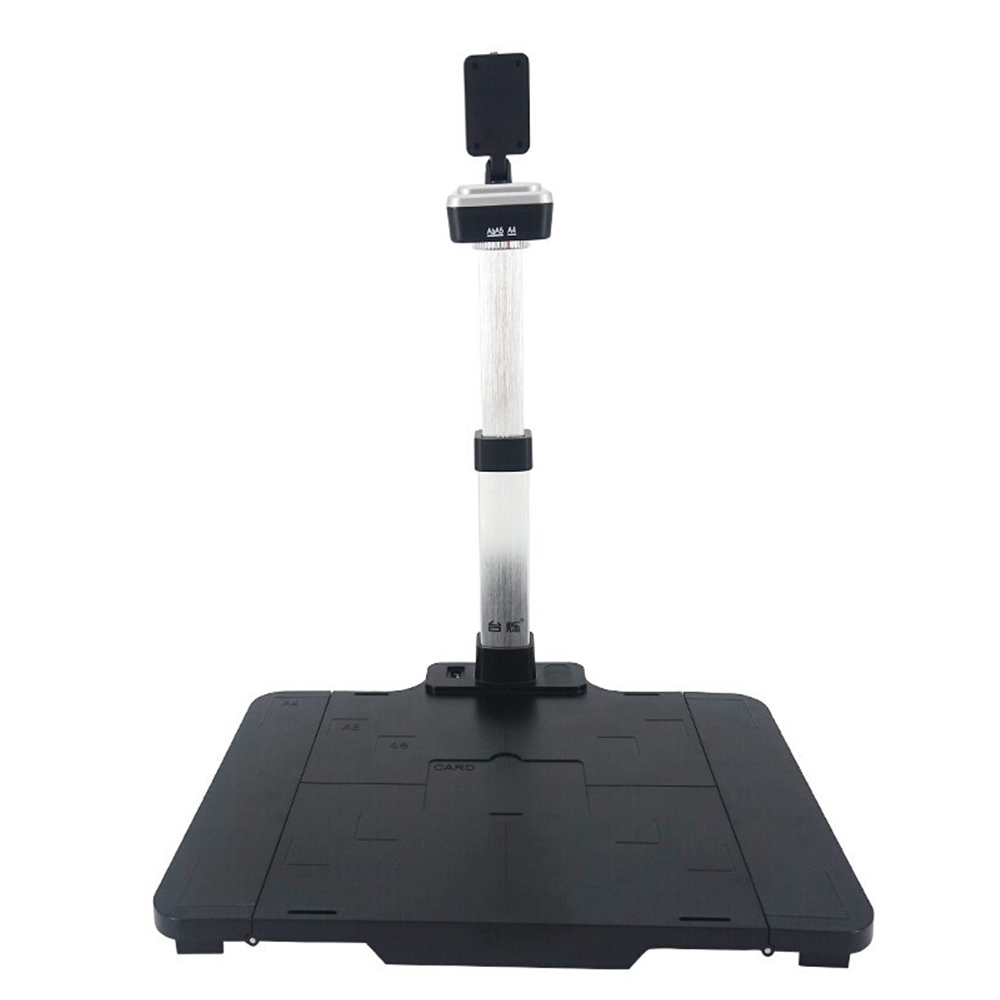
OEM HD 5MP Dual-Lens Document Camera Scanner
Dual-camera document scanning for government counters and public-service desks, capturing documents and applicant context in a single verification workflow.
View product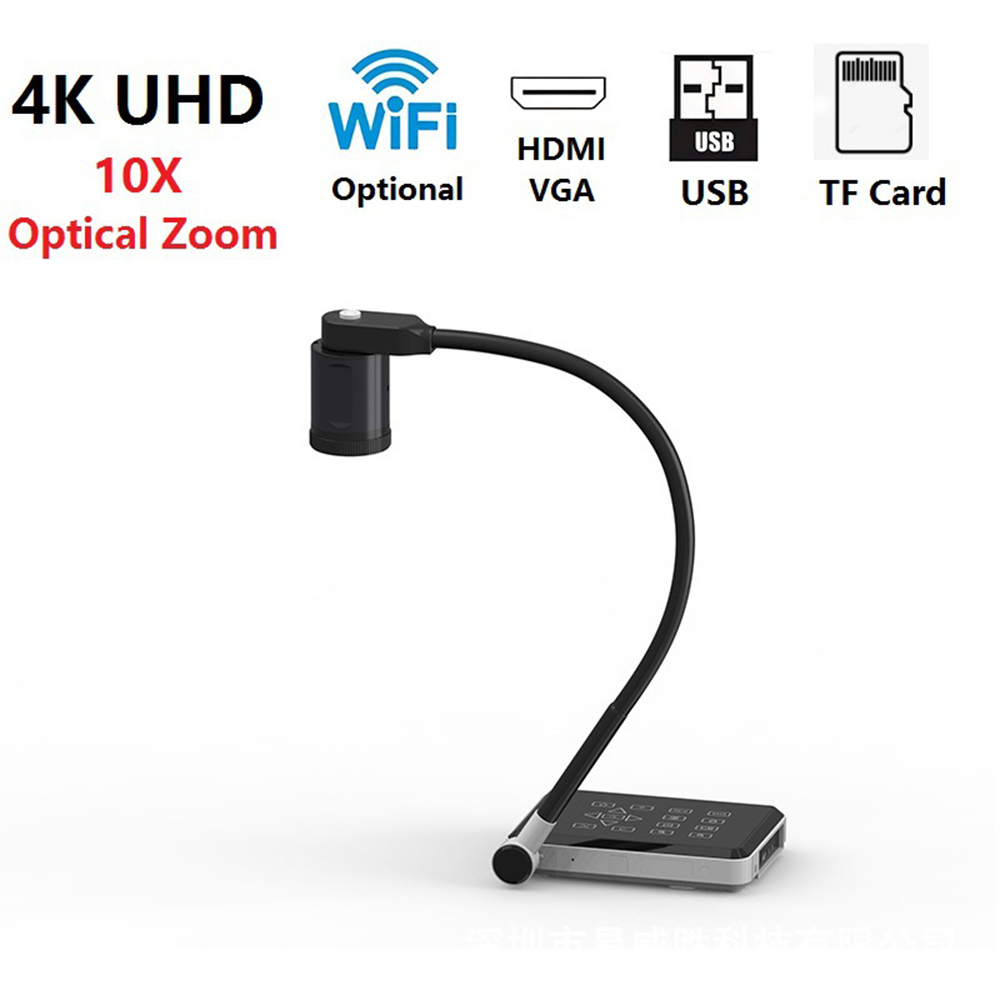
Visualized Handheld HD USB A4 / A3 Book Scanner
Handheld and desktop-friendly scanner for book pages, contracts and paper archives, supporting efficient digitization at front desks and records rooms.
View product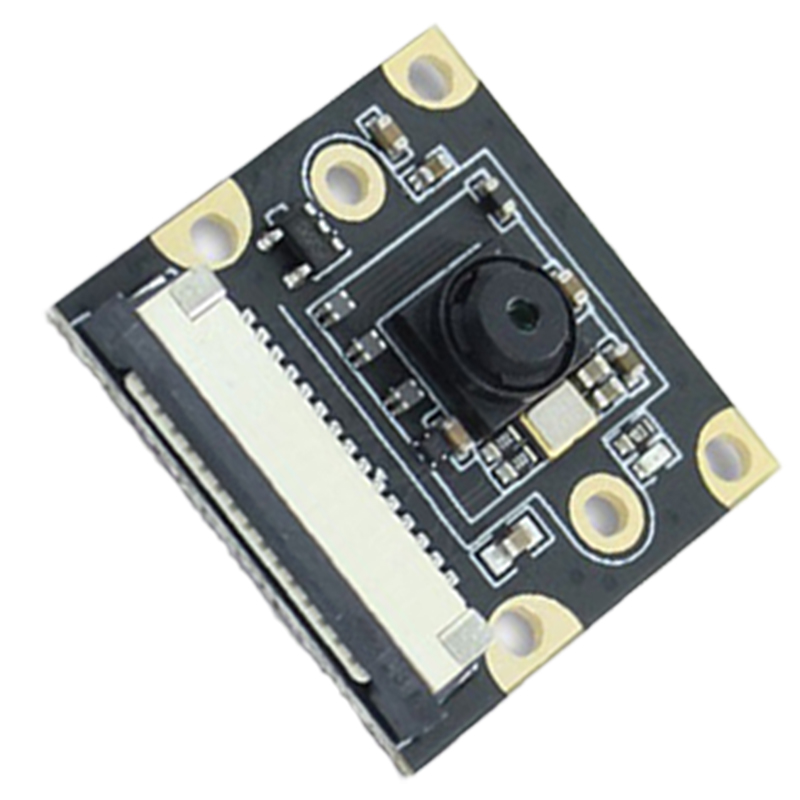
1080P / 2K / 4K Camera Module for NVIDIA Development Board
Adjustable focal length camera module for NVIDIA development boards, robotics, edge AI and custom webcam designs where sensor integration must be precise.
View product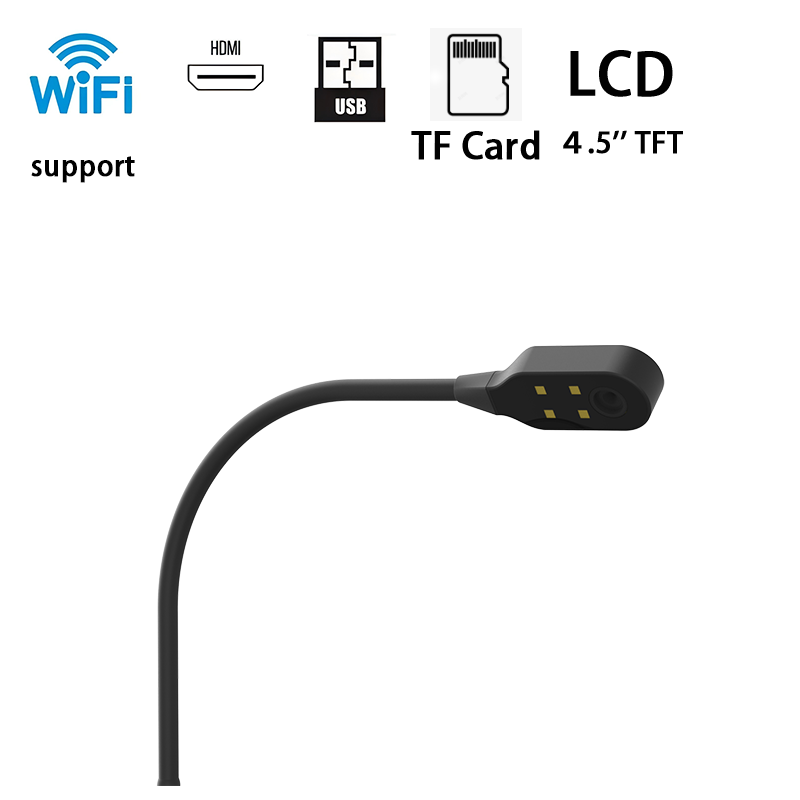
VGA + WiFi Teaching Interface for Teacher Files & Cameras
Flexible teaching interface supporting teacher files, document cameras and high camera input, designed for classroom upgrade projects and legacy display equipment.
View product
WG133AF-HV V508 13MP VGA / HDMI / USB Document Camera
Three-mode 13MP document camera for teachers, computer labs and meeting rooms, with broad compatibility across Mac, Windows and display systems.
View product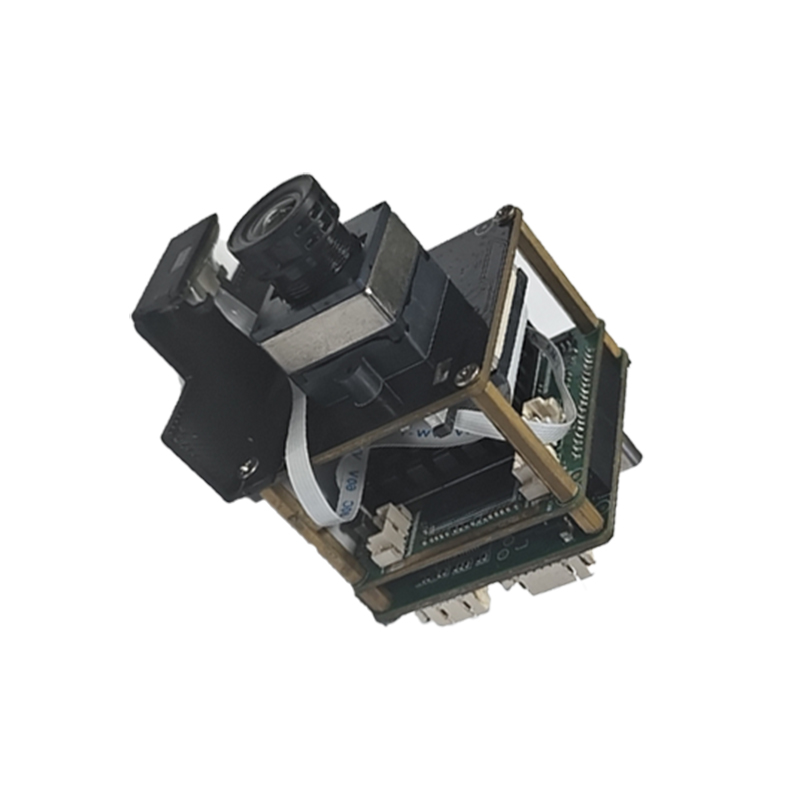
Factory-Customized 4K Live Streaming Camera Module
Conference and teaching live-streaming camera module compatible with multiple systems, available for private-label enclosure, firmware and packaging customization.
View productHow to Specify a WiFi Document Camera Without Overbuying
The right specification depends on the working distance, document size, lighting, display system, network environment and expected service life.
Resolution and Sensor Fit
An 8MP sensor is usually sufficient for A4 pages, textbooks and live classroom demonstrations. A 13MP or 4K-class sensor becomes valuable when the buyer needs full A3 sheets, fine print, engineering drawings or archive scans that must remain legible after zooming. For embedded modules, confirm whether the interface is USB, MIPI or another bus before comparing pixel counts.
USB, HDMI, VGA and 5.8GHz WiFi
USB models are plug-and-play and draw power from the computer, making them ideal for fixed desks and counters. HDMI and VGA remain important in classrooms with existing projectors. 5.8GHz wireless models let teachers move freely, and the 5.8GHz band is often less congested than 2.4GHz in busy school networks, giving a more stable live image when configured correctly.
Firmware, Certification and IP
For OEM projects, ask who owns the firmware, how updates are handled and whether the hardware and software are protected by patents. Eshuni develops core hardware and software in-house, operates an ISO9001 quality management system and provides CE, FCC, RoHS and China 3C certification support for market access. These factors reduce long-term supply risk.
Where WiFi Document Cameras Are Heading Next
Procurement teams that understand the direction of travel can avoid buying a device that becomes difficult to support within two or three years.
AI-Assisted Capture and OCR
Auto focus, auto exposure, edge detection, document de-skewing and OCR will become expected features rather than premium options. Buyers should ask whether AI functions run on-device and whether the firmware can be updated without replacing hardware.
4K Becomes a Mainstream Baseline
As displays, video platforms and recording workflows move to 4K, document cameras will need to match. The key is not the label alone, but stable frame rates, low latency, clean color reproduction and sufficient light performance under classroom or counter lighting.
WiFi 6 and Private Wireless Design
5.8GHz will remain useful for dedicated teaching links, while WiFi 6 and private network integration will be considered for larger campuses. Suppliers that can support both traditional visualizers and network-aware devices will have an advantage in tender projects.
Privacy-by-Design and On-Device Processing
Government, finance and identity-verification applications increasingly require images to remain local or be processed under strict rules. On-device face detection, encrypted storage and controlled data export will influence procurement decisions more than simple camera resolution.
Modular Camera Modules for New Devices
AR smart glasses, wearable terminals and edge AI boxes need compact camera modules with flexible focal length and low power consumption. OEM buyers will increasingly ask for module-level customization rather than a finished document camera only.
Lifecycle Documentation and Compliance
Public-sector and enterprise buyers are adding lifecycle requirements to RFQs: RoHS compliance, packaging documentation, firmware support windows, spare-part plans and consistent labeling. A factory with ERP-driven production and in-house R&D can usually answer these questions faster.
How B2B Buyers Will Compare Suppliers
The purchase decision is moving from a single-unit price comparison to a total project-risk comparison.
01Outcome-Based Tender Specifications
Instead of listing only pixels and ports, tenders will describe the outcome: a legible A3 image on a 4K display, stable wireless teaching in a crowded network, or a government counter able to capture a document and applicant in one workflow. Suppliers should provide sample validation reports and real application notes.
02Private-Label Demand from Regional Distributors
Distributors want a product range that reflects their own brand, packaging and local documentation. Eshuni supports OEM manufacturing, product design services and buyer-label production, with in-house R&D for product design, project design and on-site project application.
03Certification and Traceability Before Price
CE, FCC, RoHS, China 3C and ISO9001 are no longer differentiators for serious buyers; they are minimum checks. The next question is whether the manufacturing records, firmware versions and labeling can be traced consistently across repeat orders and different export markets.
04Regional Delivery and Trade-Term Flexibility
Eshuni accepts FOB, EXW and DDP delivery terms and regularly ships to North America, South America, Western Europe, South Asia and Africa. For tender projects, buyers should align Incoterms, packaging protection, destination documentation and installation support before finalizing the purchase order.
Shenzhen Eshuni Technology Co., Ltd.
Eshuni is a manufacturer and solution provider for information collection and identity verification. Since 2012, we have designed and built high-speed document scanners, video booths, book scanners, identity verification terminals, webcams and camera modules. Our devices support digital transformation in education, finance, insurance, telecommunications, government and enterprise.
Our senior R&D team delivers three levels of technical support: product design, project design and on-site project application. ERP-driven production and supply-chain management keep quality consistent and lead times short, while core hardware and software are our own intellectual property, protected by national patents.
- In-house R&D focused on document cameras and visualizers for more than 14 years.
- ISO9001 quality management system, with CE, FCC, RoHS and China 3C certifications.
- OEM, ODM and buyer-label production with custom design, firmware and packaging support.
- Factory-direct communication for tender samples, project validation and repeat orders.

Questions Procurement Teams Ask Before Ordering
Clear answers reduce quotation cycles and help both sides evaluate technical fit before samples are shipped.
Does Eshuni offer OEM and ODM document cameras and webcams?
Which certifications do your products and factory hold?
Should I choose an 8MP or 13MP document camera?
What is the difference between USB and 5.8G wireless document cameras?
Which trade terms and markets do you support?
Can you customize firmware, logo and packaging for a private-label range?
What should be included in an RFQ for a WiFi document camera project?
How can buyers evaluate image quality before placing a bulk order?
How do you reduce procurement risk for repeat orders?
OEM configuration, certification scope, sample requirements and delivery terms are confirmed in the formal quotation.
Ready to Build Your OEM WiFi Document Camera Range?
Send your application, target resolution, capture area, connectivity, certification market and annual volume. Our engineering and export team will recommend a practical configuration and prepare the next-step quotation.
Send an Inquiry