8 OEM/ODM Desktop Camera Products for Wholesale Programs
Desktop camera sourcing is rarely a single-SKU decision. A distributor may need a low-friction A4 book scanner, a tender-ready A3 visual presenter, a high-speed page camera, a biometric module and a MIPI or USB camera module within one purchase program. The eight products below give buyers a practical starting point across education, government counters, office digitization, identity verification and embedded vision.
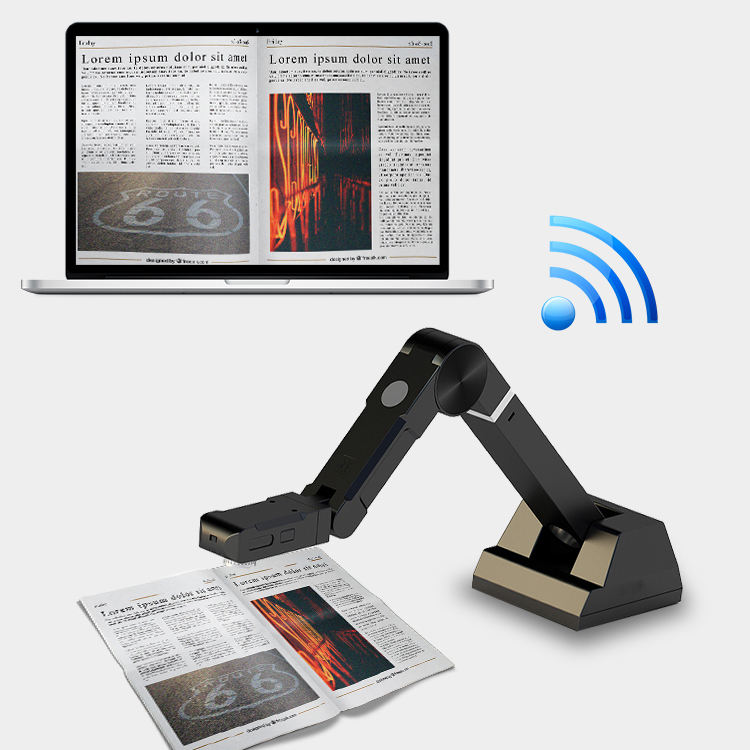
Visualized Handheld HD USB A4 Book Scanner A3 Automatic Management Document Scanner Camera
A practical overhead scanner for classroom demonstration, records counters and office digitization. Its handheld and automatic management orientation makes it suitable for distributors that need a straightforward document camera SKU without a complex software stack.
View product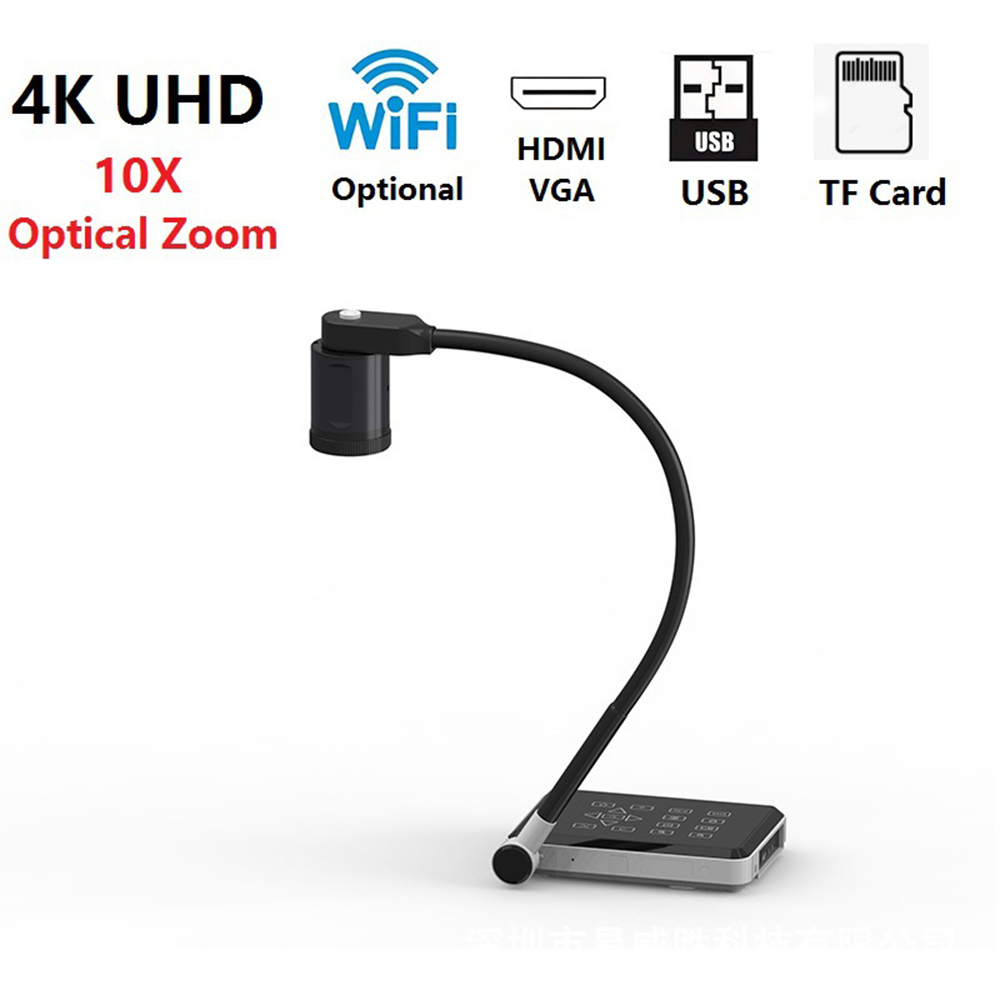
Visualized Handheld HD USB A4 Book Scanner A3 Automatic Management Document Camera Scanner
A companion configuration for wholesalers that want two price points around a shared A3/A4 capture platform. It fits purchase catalogs for schools, offices and service desks where replacement volume and accessory consistency matter.
View product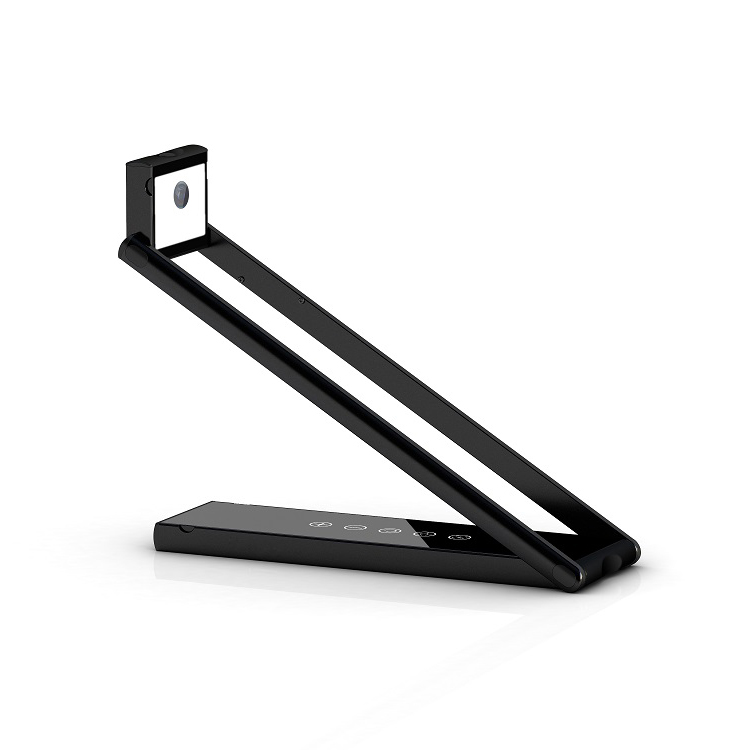
Education Equipment Visual Presenter Document Camera Scanner Scanning A3 Book and Paper
An education-focused visual presenter for live lessons, textbook sharing and paper demonstration. It is a natural tender candidate when a school project specifies an A3 viewing area, teacher-friendly operation and stable classroom projection.
View product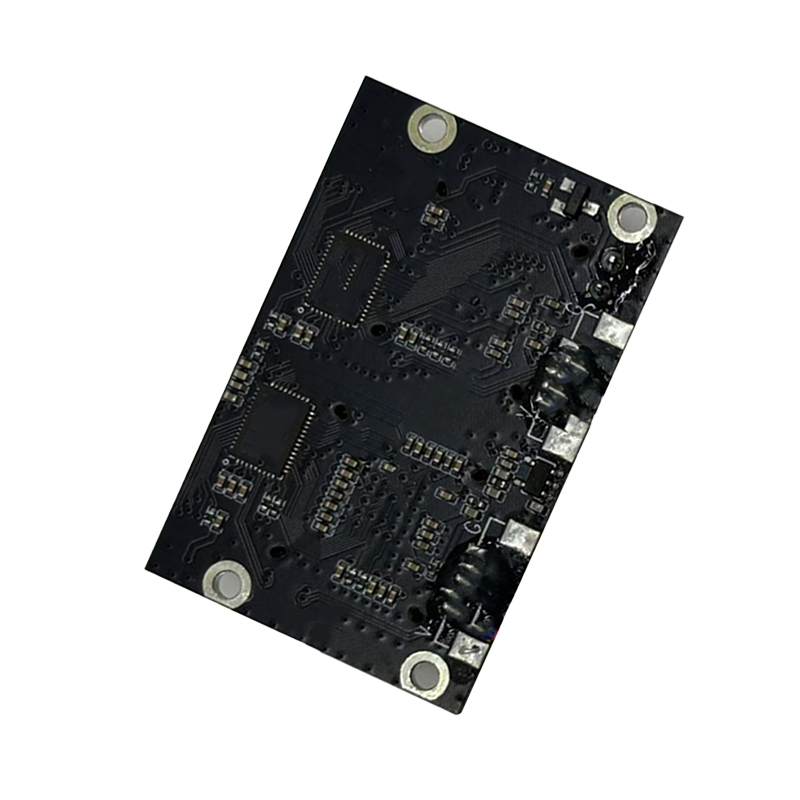
Newly Upgraded Dual 1080P Finger Vein Palm Print Recognition Facial Recognition Camera Module CMOS Sensor
A multi-biometric imaging module for access control, identity verification terminals and self-service kiosks. This is a component opportunity for integrators that need CMOS imaging, dual-camera architecture and project-specific mechanical or firmware adaptation.
View product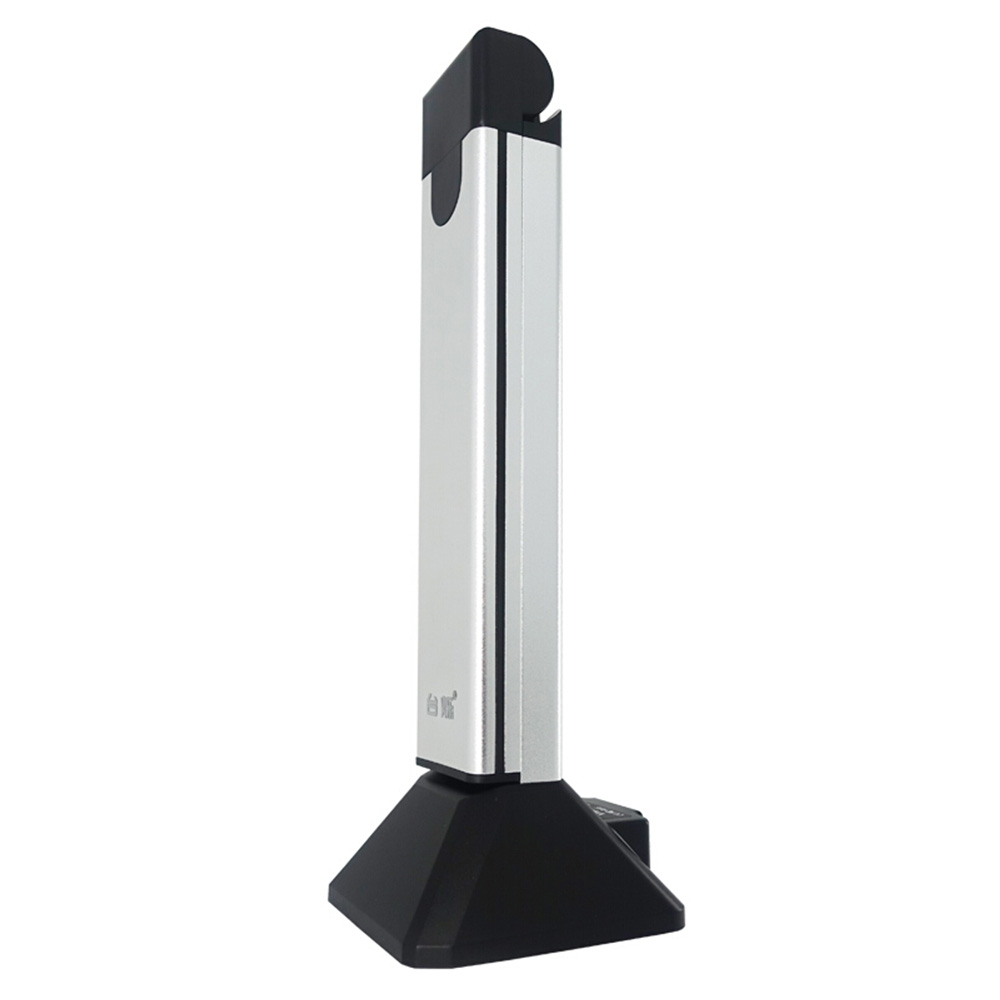
Document Camera Page Camera High Speed Page Scanner for Online Educational Equipment
A page-focused camera for online teaching and rapid document capture. The value is throughput and consistent image framing when pages are turned quickly, making it suitable for course providers, tutoring networks and education device bundles.
View product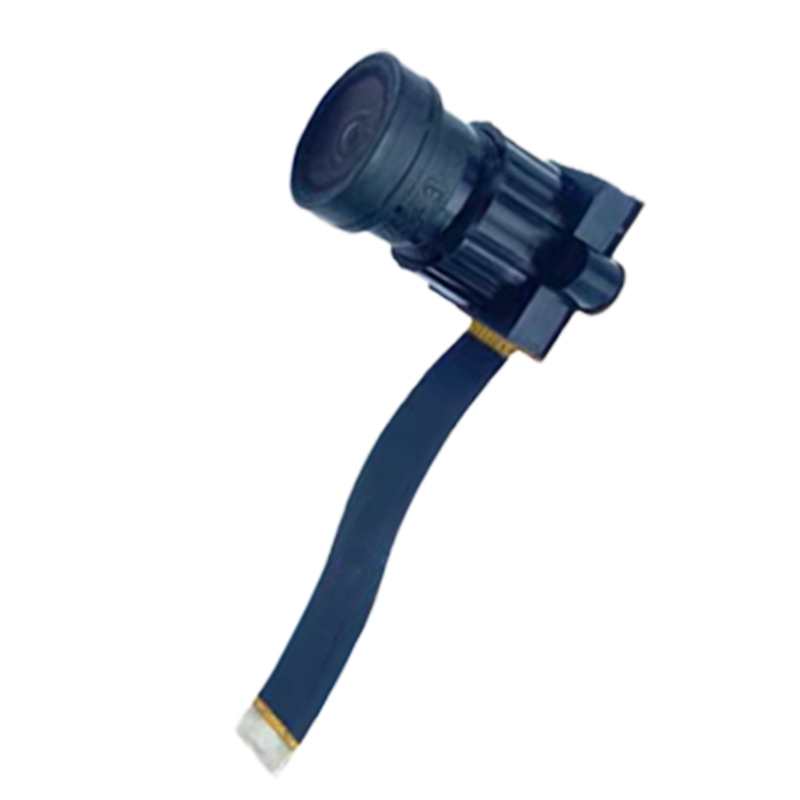
Professional Manufacturer's CMOS Sensor MIPI Camera Module 1080P 2K 4K Drone Wireless Video Transmission Camera Module
A compact MIPI camera module for drone, wireless video and embedded vision projects. It suits OEMs that need video transmission hardware with established CMOS integration and a path to cable, lens or housing customization.
View product
CMOS Sensor 1080P 30fps USB2.0 Camera Module Monocular Wide Dynamic Range Camera Module with Ultra-Low Light Performance
A USB 2.0 monocular module with wide dynamic range and ultra-low-light performance for kiosks, conference devices and always-on capture environments. It is a practical building block for buyers that need a proven USB camera core.
View product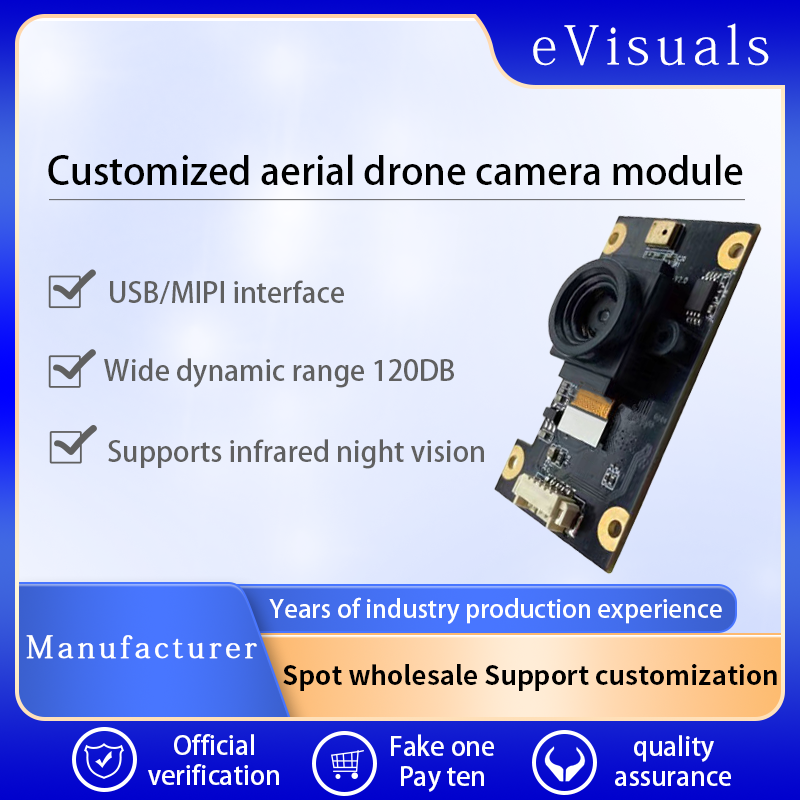
Factory Customized 1080p 4K Drone Wireless Video Transmission HD Aerial Photography Face Recognition Camera Module
A customizable 1080p/4K wireless video module for aerial photography, face recognition and embedded imaging hardware. It is aimed at buyers that need project-specific engineering rather than a fixed catalog item.
View productWhat OEM/ODM Desktop Camera Wholesalers Are Really Buying
The phrase “OEM/ODM desktop camera suppliers & wholesalers” describes a commercial role, not one product. In practice, an importer, tender contractor or system integrator is searching for a manufacturer that can align sensor choice, optics, firmware, interface, housing, certification and packaging with a local sales channel.
Specification is the real price driver
A school distributor may need an A3 visualizer with white-label software and a teacher-friendly control layout. A government integrator may need a dual-camera counter terminal with identity capture and privacy masking rules. An embedded-device company may need a MIPI or USB module with a stable SDK, cable drawing and long-life BOM. Each requirement changes the quotation more than the sensor alone.
Buyers should compare fields of view, autofocus behavior, low-light noise, wide dynamic range, frame rate under artificial light, USB bandwidth, wireless latency and serviceability. The strongest supplier conversation starts with the workflow: what is being captured, at what distance, under which lighting, by whom, and what happens to the image after capture? Once those answers are clear, the bill of materials, interface and certification path can be locked down.
Four specification pillars that reduce rework
Most sample-to-mass-production failures happen because the buyer and factory optimized different things. Use these four pillars to force alignment before tooling starts.
Product Future Procurement Trends for Desktop Camera Wholesalers
Several procurement shifts are visible in education, public-sector and embedded-OEM projects. They change what a wholesaler should stock, how a tender should be specified and which supplier capabilities matter most.
Hybrid classroom bundles
Buyers increasingly combine a visualizer, webcam and document camera in one classroom kit. Wholesalers that can offer a coordinated bundle—rather than three unrelated SKUs—gain an advantage in school refresh cycles and remote-teaching procurement.
Tender-ready compliance
Public projects now ask earlier for ISO9001, CE, FCC, RoHS, 3C and clear traceability. Suppliers that can provide certificates, model declarations and consistent labeling during the sample stage shorten the qualification cycle for distributors.
Wireless 5.8GHz preference
In busy classrooms, 5.8GHz wireless models are often preferred over congested 2.4GHz links. The procurement question is not only “wireless or wired”, but also latency, pairing stability, interference behavior and whether the device can fall back to USB.
Modular identity capture
Government counters, banks, telecom stores and access-control projects are moving toward multi-camera and biometric capture. This creates demand for modules that combine document imaging with face, palm or vein recognition in a serviceable mechanical design.
Desktop Camera Product Development Trends Buyers Should Track
Product development is moving from “more megapixels” toward application-specific image quality, embedded processing and modular hardware. These trends should be reflected in RFQs, sample tests and long-term supplier agreements.
Optics and dynamic range over raw resolution
An 8MP sensor with a well-matched lens can outperform a higher-resolution module with weak optics. For A3books, engineering drawings and handwritten text, buyers should test edge sharpness, autofocus repeatability and WDR under mixed lighting.
Edge AI and on-device processing
Face detection, document edge detection, image dewarping for book curves and real-time enhancement are moving closer to the camera. This reduces host-PC load and opens opportunities for standalone counters, kiosks and classroom terminals.
Modular MIPI, USB and FPC architectures
OEMs increasingly prefer a camera core they can integrate into their own housing, cable route and industrial design. MIPI, USB2.0 and FPC modules allow faster customization for drones, smart glasses, kiosks and embedded vision devices.
Privacy, compliance and lifecycle design
Identity capture projects need privacy masks, audit-friendly firmware and clear data pathways. At the same time, buyers are asking for RoHS-compliant materials, stable BOMs and spare-part availability for multi-year deployments.
Match a Desktop Camera Platform to the Real Workflow
Use this application matrix to move from a generic RFQ to a testable specification. The right configuration depends on capture area, lighting, identity requirements, software integration and the buyer’s certification path.
| Buyer scenario | Recommended configuration | Why it works | Customization options | Starting product |
|---|---|---|---|---|
| A3 classroom demonstration | Wireless A3 visual presenter with 8MP–13MP class sensor | Full-sheet viewing, teacher mobility and clear fine print | White-label software, lens, housing color, packaging | Education visual presenter |
| Office A4/A3 document capture | USB book scanner with automatic management and book-friendly capture | Stable desk operation, straightforward integration and low maintenance | Firmware hotkeys, branding, cable length, accessory kit | HD USB book scanner |
| Government or bank counter | Dual-camera imaging module with document and face/identity capture | Captures the applicant and document in one workflow | Mechanical enclosure, privacy mask, SDK integration | Dual 1080P biometric module |
| High-volume online teaching | High-speed page camera for rapid page turning | Throughput and consistent framing for live lessons | Mount design, software shortcuts, bundle packaging | High-speed page scanner |
| Drone or wireless video project | MIPI 1080P/2K/4K module or customized 4K wireless module | Compact integration and project-specific video transmission | Lens, cable, FPC, connector, firmware tuning | MIPI camera module |
| Low-light kiosk or conference device | USB2.0 1080P module with WDR and ultra-low-light performance | Reliable image capture in mixed or dim lighting | Housing, lens mount, USB cable, logo and packaging | USB2.0 WDR module |
Why Eshuni Is a Practical OEM/ODM Desktop Camera Partner
Shenzhen Eshuni Technology Co., Ltd. has focused on information capture and identity verification since 2012. The company designs and manufactures high-speed document scanners, video booths, book scanners, identity verification terminals, webcams and camera modules for education, finance, insurance, telecommunications, government and enterprise buyers.

Eshuni operates an ISO9001 quality management system, and its products carry CE, FCC, RoHS and China 3C certifications where applicable. Hardware and software are developed in-house and protected by national patents. The company’s OEM/ODM model covers OEM manufacturing, product design, private-label production and three support levels: product design, project design and on-site project application.
On the commercial side, Eshuni accepts FOB, EXW and DDP terms and regularly ships to North America, South America, Western Europe, South Asia and Africa. Its public trade profile has shown a 4.8/5 average buyer rating and onsite factory verification. For a wholesaler, those signals matter because they shorten due diligence and reduce the risk of undocumented changes between sample approval and mass production.
ERP-driven production and supply-chain management keep quality and lead-time planning visible. For buyers, the practical benefit is a supplier that can discuss sensor selection, housing design, firmware behavior, packaging and export documentation in the same project conversation.
14+ years of imaging R&D
Product development is centered on document cameras, visualizers, scanners, identity terminals and camera modules—not general consumer electronics. This depth helps shorten specification reviews.
Factory scale with project support
A 3,000+ m² production area and 100+ employees support pilot builds, repeat orders and buyer-label programs while keeping engineering close to production.
Certification and quality system
ISO9001 management plus CE, FCC, RoHS and 3C product compliance help distributors prepare for tender qualification and retail-channel documentation.
OEM, ODM and private label
From logo and packaging to firmware behavior and mechanical adaptation, the OEM/ODM model is designed for importers and integrators that need a differentiated product.
ERP-driven planning
Production and supply-chain planning are managed with ERP discipline, which supports clearer lead-time communication and more consistent quality across repeat shipments.
Export-ready trade terms
FOB, EXW and DDP delivery terms support different buyer profiles, from first-time importers to established distributors serving North America, Europe, South Asia and Africa.
Where OEM/ODM Desktop Cameras Create Repeat Demand
Wholesalers gain better margin stability when a product line serves more than one workflow. The same imaging platform can often be adapted for education, public service, enterprise and embedded OEM channels.
Education
Live demonstration, textbook sharing, homework review and hybrid classroom capture.
Government
Identity capture, document filing, public-service counters and audit-friendly records.
Finance & Telecom
KYC checks, SIM registration, contract digitization and branch verification workflows.
Embedded OEM
Drone video, smart glasses, access control, kiosks and machine-vision-adjacent devices.
Desktop Camera Procurement FAQ for Wholesalers and Integrators
These are the questions that most often determine whether a quotation becomes a sample, a tender response or a repeat order.
Does Eshuni offer OEM and ODM desktop cameras?
Yes. Eshuni offers OEM manufacturing, product design services and buyer-label production. The in-house R&D team supports product design, project design and on-site project application, which is useful when a distributor needs a product that differs from the standard catalog in housing, firmware, accessories or packaging.
Which certifications do your products and factory hold?
The factory operates an ISO9001 quality management system, and products carry CE, FCC, RoHS and China 3C certifications where applicable. Hardware and software are developed in-house and protected by national patents. Certification scope should still be confirmed model by model during RFQ.
Should I choose an 8MP or 13MP desktop camera?
An 8MP sensor is often sufficient for A4 pages, textbooks and live classroom demonstrations. A 13MP sensor is recommended when capturing full A3 sheets, fine print, engineering drawings or archival scans where detail must remain legible after zooming. Optics, autofocus and lighting often matter as much as the megapixel number.
What is the difference between USB and 5.8G wireless document cameras?
USB models are plug-and-play and draw power from the computer, making them ideal for fixed desks and counters. 5.8GHz wireless models let teachers move freely around the room; the 5.8GHz band is typically less congested than 2.4GHz, giving a more stable live image in busy school networks. Many buyers stock both because the use cases differ.
Can we customize housing, firmware and packaging?
Yes, customization can cover housing color and mechanics, logo, startup image, firmware behavior, cable length, accessories, retail packaging and user manuals. The exact scope is confirmed after a specification review so that tooling, certification and production planning remain realistic.
What trade terms, markets, MOQ and samples do you support?
Eshuni accepts FOB, EXW and DDP delivery terms and regularly ships to North America, South America, Western Europe, South Asia and Africa. MOQ is confirmed per model, configuration, packaging and customization scope. Projects typically begin with sample approval, then artwork and pilot run, followed by mass production. Lead time is quoted after the specification and certification path are frozen.
Start with a Specification Review, Not a Blind Price Request
Share your target application, capture area, interface, certification market, estimated annual volume and branding requirements. Our engineers can recommend the right sensor, connectivity, housing and OEM/ODM path for your desktop camera program.