OEM/ODM Desktop Document Camera Supplier & Exporter
Factory-direct document cameras, A3/A4 visualizers, book scanners, biometric camera modules and body cameras engineered in Shenzhen since 2012 for education, government, finance, healthcare and system-integration buyers.
Eight Document Camera & Imaging Products for OEM/ODM Programs
These eight platforms cover classroom visualizers, office scanning, government counters, biometric identity capture, portable WiFi documentation and field recording. Every model can be discussed as an OEM, private-label or ODM project, with sensor, housing, firmware, packaging and accessory decisions aligned to your market.
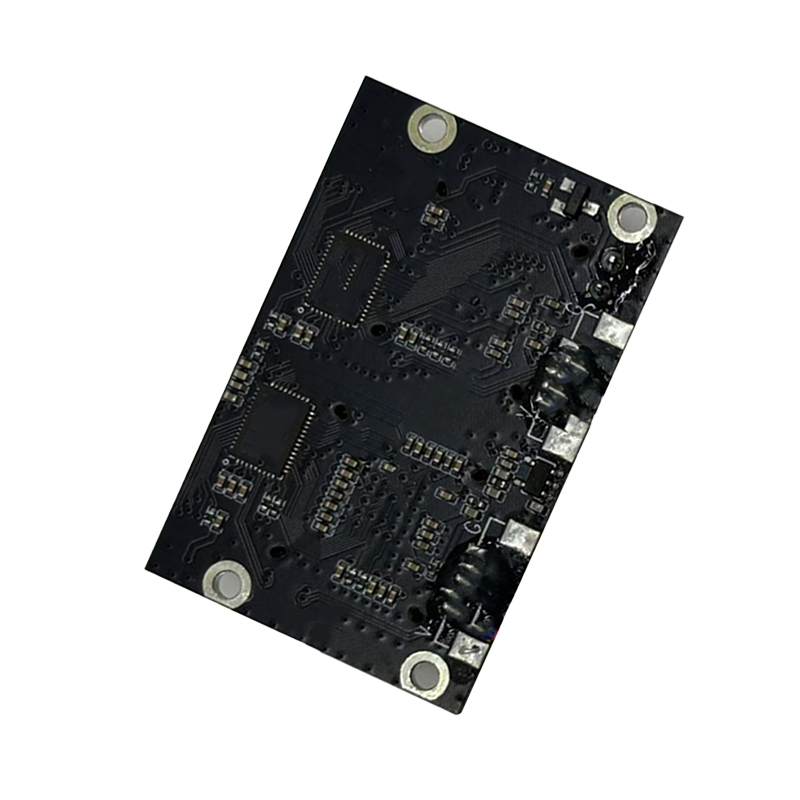
Newly Upgraded Dual 1080P Finger Vein Palm Print Recognition Facial Recognition Camera Module
Multi-biometric capture module for KYC desks, access control, government service windows and identity-verification terminals. Dual imaging supports face, palm-vein and finger-vein workflows in a compact OEM architecture.
View biometric module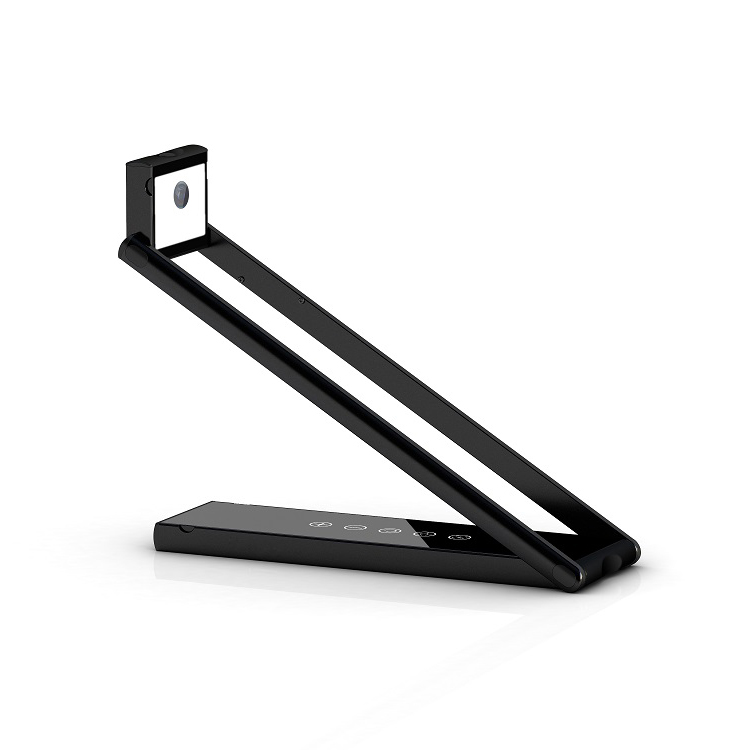
Education Equipment Visual Presenter Document Camera Scanner Scanning A3 Book and Paper
Classroom visual presenter for live demonstration, textbook display and paper-based annotation. The A3 capture area suits shared reading, science lessons and remote teaching where detail must remain visible on large displays.
View visual presenter
Document Camera Scanner 48MP USB3.0 Autofocus A3 A4 Office Scanning and Classroom Visualizer
High-resolution USB 3.0 scanner for office digitization, archival capture, engineering drawings and premium classroom visualizers. 48MP imaging supports deep zoom, OCR preprocessing and clearer small-print documentation.
View 48MP scanner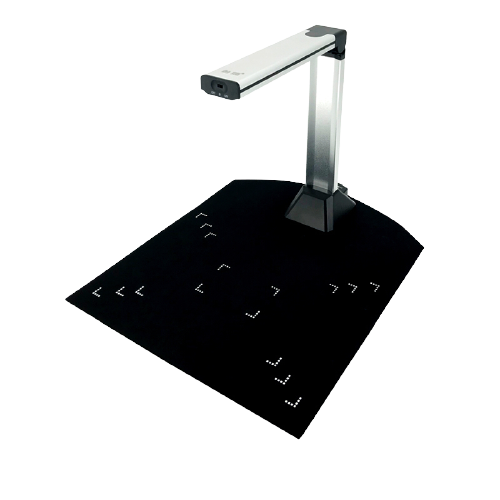
Portable OEM 8MP Document Camera Visual Presenter for Education Equipment Camera Scanner
Compact 8MP document camera for mobile teaching, small-group tutoring and field training. Its portable format is suitable for private-label education kits, distributor ranges and tender packages requiring flexible deployment.
View portable camera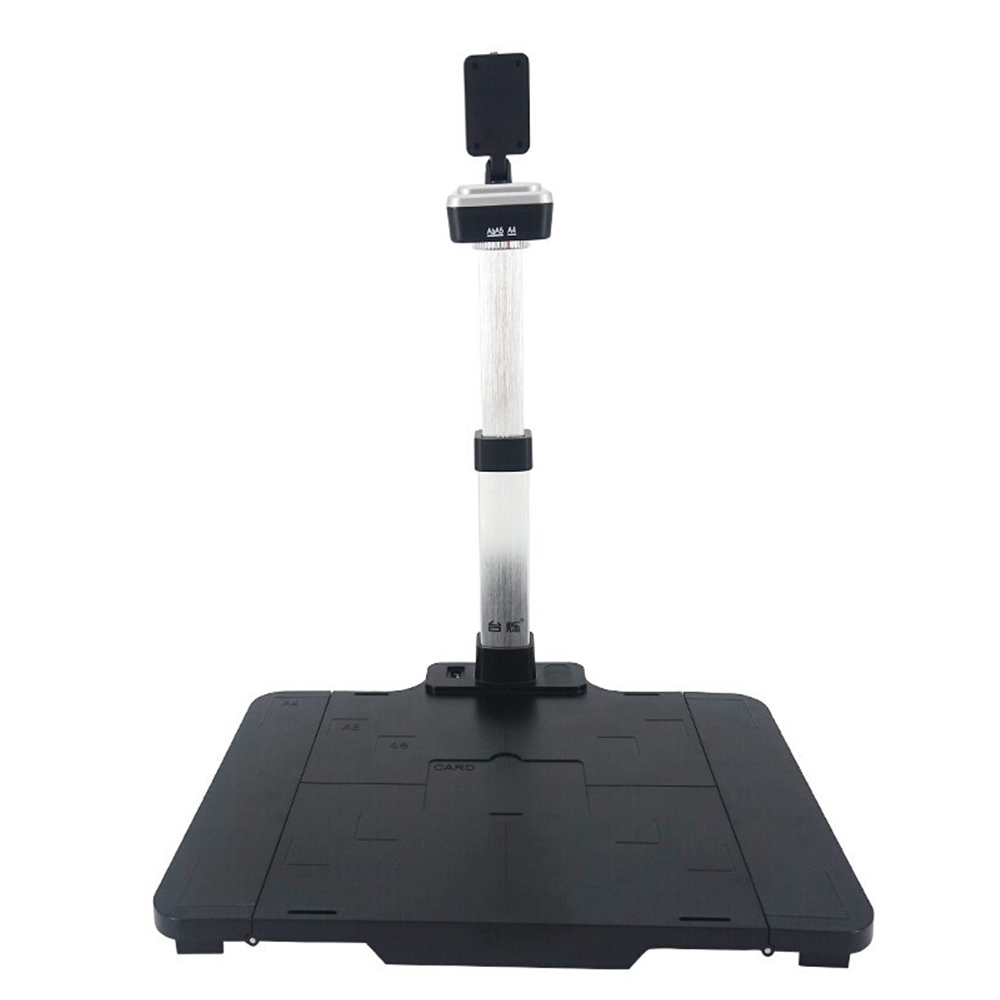
OEM HD 5MP Double Camera Document Camera Scanner for Government Document Camera
Dual-camera scanner for counters that need document capture and applicant verification in one transaction. Suitable for public-service windows, identity registration, bank onboarding and telecom real-name registration.
View dual-camera scanner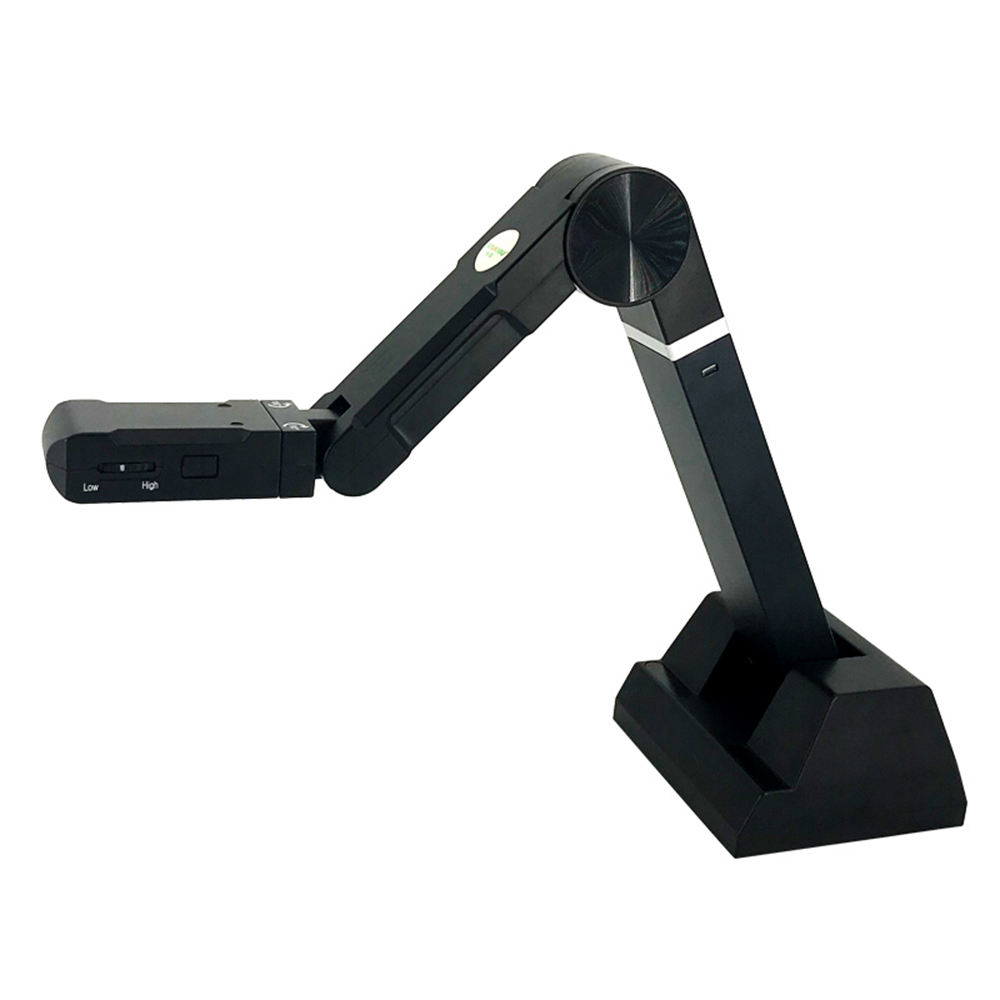
Document Camera High Quality OEM Portable WiFi Camera Scanner Multi-Interface Visualizer for Scanning Book Document
Portable WiFi document camera for libraries, mobile offices and shared teaching spaces. Multi-interface connectivity lets buyers configure UVC, wireless display and local capture workflows for different deployment environments.
View WiFi visualizer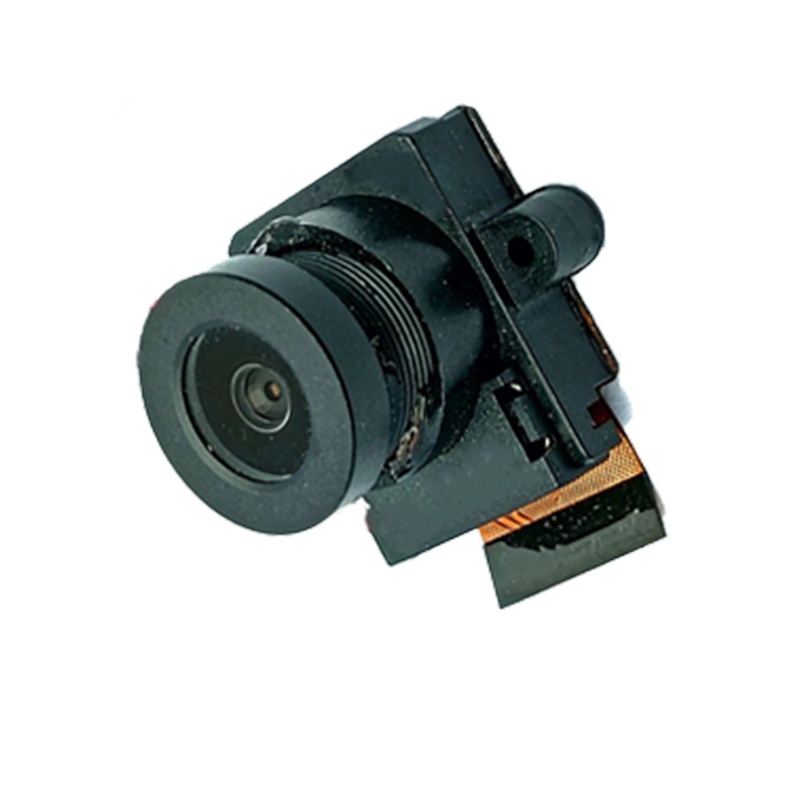
Factory Hot-Selling 1080P CMOS Sensor Body Camera with HD Video/Audio Recording and Night Vision
1080P CMOS body camera for field documentation, inspection, security patrols and service verification. HD video and audio recording with night vision support evidence capture where lighting and mobility are unpredictable.
View body camera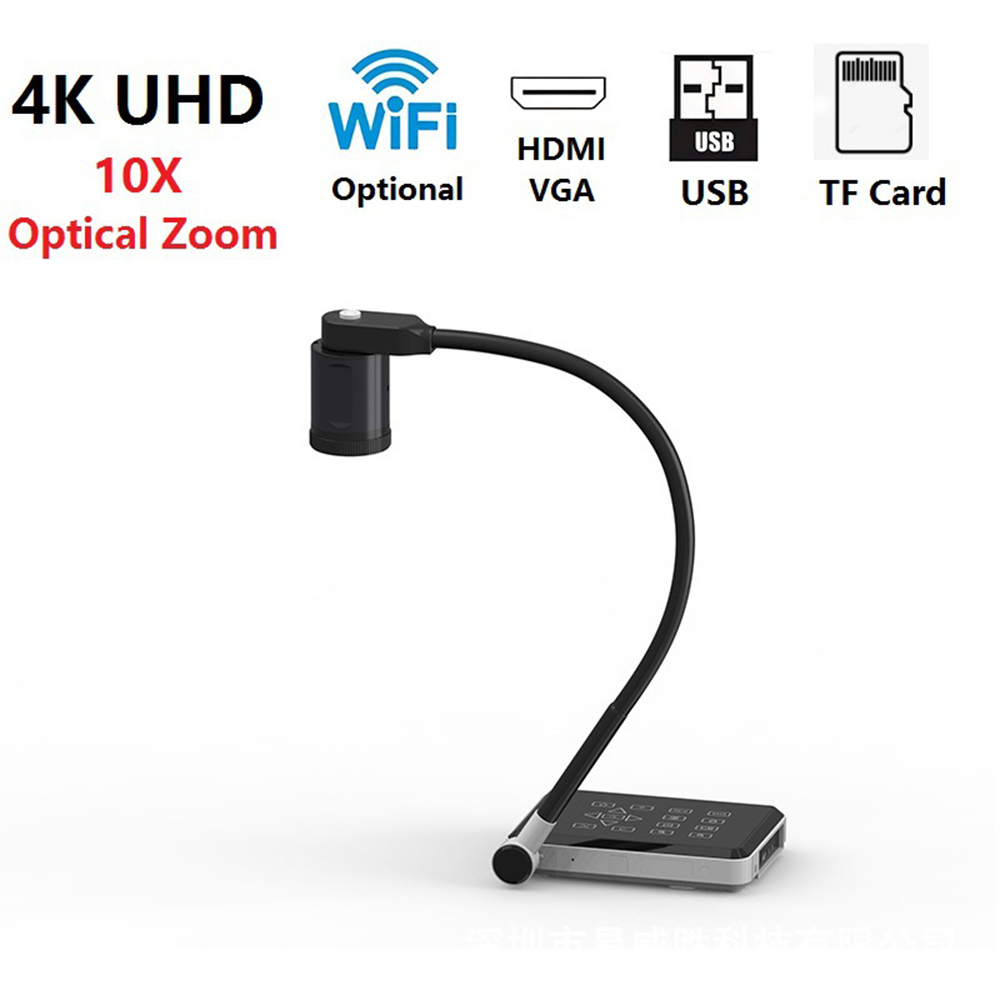
Visualized Handheld HD USB A4 Book Scanner A3 Automatic Management Document Camera Scanner
Handheld USB document scanner for service desks, offices and mobile administration. It supports fast book and paper capture where a fixed overhead scanner is impractical, while remaining suitable for volume OEM programs.
View handheld scannerRequire a different sensor, lens, housing, firmware, logo or packaging configuration? Send an Inquiry
Factory-Direct OEM/ODM Desktop Document Cameras Built for Real Deployment
A desktop document camera is no longer a peripheral purchased at the end of a classroom project. It is becoming a capture node inside lesson delivery, identity verification, document digitization and service-counter workflows. The supplier decision therefore needs to be evaluated like infrastructure procurement, not like a one-off catalog order.
OEM Is Not Just a Logo
OEM should define the full commercial envelope: sensor, lens, capture area, light handling, cable set, UVC behavior, packaging, labeling, documentation and warranty process. The earlier these details are frozen, the lower the rework risk.
ODM Value Starts With Use Case
ODM works best when the supplier understands the destination workflow: a classroom, a public counter, a library archive or a mobile inspection route. The same imaging platform may need different optics, software presets and accessories for each environment.
Specify the Deployment Envelope
A strong RFQ states document size, minimum readable font height, lighting conditions, frame rate, connection type, software platform, security requirements and service lifetime. These details separate a workable product from a low-cost sample that fails after installation.
Supplier Depth Matters
Shenzhen Eshuni Technology Co., Ltd. has focused on information capture and identity verification since 2012. In-house R&D, ERP-driven production and a 3,000+ m² facility support buyers who need repeatable quality rather than ad-hoc sourcing.
Desktop Document Camera Procurement Trends 2025–2030
Buyer behavior is shifting from lowest-unit-price sourcing toward lifecycle value. Importers, distributors, tender consultants and system integrators are asking more precise questions about firmware maintainability, integration documentation, compliance evidence and supply continuity.
Outcome-Based Tender Specifications
Public and institutional tenders increasingly specify readable output, capture speed, image stability and software compatibility instead of a single megapixel number. Suppliers must document real-world performance, not only sensor headlines.
Multi-Modal Identity Capture
Government, telecom and finance projects are combining document scanning with face, palm-vein or finger-vein capture. Dual-camera scanners and biometric modules reduce counter time and improve auditability when designed as one workflow.
Wireless and Hybrid Classroom Demand
Portable WiFi and 5.8GHz visualizers are growing in hybrid teaching, temporary classrooms and multi-room training. Buyers are also requesting UVC compatibility, clear pairing behavior and stable image transmission in congested school networks.
Compliance and Supply Resilience
ISO9001, CE, FCC, RoHS and 3C evidence, plus traceable production records, are now part of the sourcing scorecard. Buyers also want backup component planning, predictable lead-time communication and FOB, EXW or DDP delivery options.
Product Development Trends Buyers Should Design Into Contracts
The next generation of desktop document cameras will be judged by how well they combine optics, embedded processing, modular design and deployment support. Contracts that ignore these trends tend to produce products that are difficult to localize, service or differentiate.
Higher Resolution With Better Signal Paths
48MP sensors and USB 3.0 interfaces support deeper zoom, OCR preprocessing and higher-quality archival capture. However, resolution only becomes useful when lens quality, autofocus behavior, compression strategy and lighting control are engineered together.
On-Device Computational Imaging
Auto-crop, de-skew, glare reduction, document edge detection, OCR preparation and gesture control are moving closer to the device. For OEM buyers, the key question is whether these features can be configured, disabled or adapted to local software environments.
Modular Camera and Sensor Platforms
Camera modules, FPC assemblies and sensor options allow one product family to serve multiple markets. This modularity helps distributors build a coherent range while giving system integrators the input flexibility they need for embedded or kiosk-based applications.
Portability, Multi-Interface and Serviceability
Buyers increasingly ask for USB, WiFi, HDMI and wireless options in the same product family, plus foldable arms, cable management and field-replaceable accessories. Serviceable design lowers total cost of ownership across a multi-year deployment.
How to Match a Desktop Document Camera to Your Application
The right product is the one that fits the physical workflow, the software stack and the service model. Use this reference to narrow a tender, distributor range or private-label launch before requesting samples.
| Application | Recommended Platform | Why It Fits | Procurement Note |
|---|---|---|---|
| K-12 classroom and hybrid teaching | A3 Visual Presenter or Portable 8MP Visualizer | Large-area demonstration, textbook display and easy movement between rooms. | Confirm display connection, lighting conditions and teacher training requirements. |
| Library, archive and office digitization | 48MP USB 3.0 Autofocus Scanner | High-resolution capture for small print, drawings and OCR-ready document workflows. | Specify file output, OCR software, scan height and operator throughput targets. |
| Government service counters | 5MP Dual-Camera Scanner plus Biometric Module | Document and identity capture can be combined into one counter transaction. | Review privacy policy, data retention, SDK access and identity-workflow integration. |
| Finance, telecom and KYC onboarding | Multi-Biometric Module or dual-camera scanner | Supports face, palm-vein, finger-vein or document evidence depending on risk level. | Clarify local biometric regulations, liveness expectations and audit-log requirements. |
| Mobile office and field administration | Portable WiFi Scanner or Handheld USB Scanner | Flexible capture for book pages, forms and field records without a fixed desk setup. | Check battery or power strategy, cable durability, wireless security and carrying case design. |
| Security, inspection and field recording | 1080P CMOS Body Camera | HD video and audio recording with night vision for evidence-style documentation. | Define storage, chain-of-custody process, mounting accessories and training scope. |

Why Eshuni Is a Reliable OEM/ODM Supplier and Exporter
Shenzhen Eshuni Technology Co., Ltd. is a manufacturer and solution provider focused on information collection and identity verification. Since 2012, the company has built document cameras, visual presenters, high-speed document scanners, book scanners, identity-verification terminals, webcams and camera modules for buyers who need factory-direct engineering rather than generic trading support.
Our product development model is built around three levels of technical support: product design, project design and on-site project application. For an education tender, that may mean matching a visualizer to classroom display equipment and teacher workflows. For a government counter project, it may mean aligning dual-camera document capture, biometric verification and audit-log requirements. For a distributor, it may mean private-label packaging, accessory kits and a coherent model range.
OEM manufacturing, ODM design, private-label production, in-house R&D, ERP-driven production and supply-chain management are combined under one operating system. Core hardware and software are developed in-house and protected by national patents. The factory operates an ISO9001 quality management system, while products carry CE, FCC, RoHS and China 3C certification as applicable. We accept FOB, EXW and DDP terms and regularly serve buyers in North America, South America, Western Europe, South Asia and Africa.
Quality, Compliance and Due-Diligence Support for Importers
For B2B buyers, certification logos alone are not enough. The real question is whether the factory can repeat the same build, provide consistent documentation and support the product after the first shipment. Eshuni’s quality model is designed to make those checks straightforward.
Frequently Asked Questions from OEM/ODM Buyers
These are the questions that most often decide whether a document-camera project moves from inquiry to sample, and from sample to repeat order.
Are you a manufacturer or a trading company?
Shenzhen Eshuni Technology Co., Ltd. is a manufacturer and solution provider for information collection and identity verification. The company has in-house R&D, a 3,000+ m² facility and more than 100 employees. Products include document cameras, visual presenters, scanners, identity-verification devices, webcams and camera modules.
Can you support OEM, ODM and private-label production?
Yes. The company supports OEM manufacturing, product design services and buyer-label production. Custom work can cover logo, packaging, model naming, accessory kits, interface configuration and project-specific firmware requirements. The earlier the destination market and use case are defined, the more efficiently the ODM process can proceed.
Should I choose 8MP, 13MP or 48MP for a document camera?
8MP is generally sufficient for A4 documents, textbook demonstration and routine classroom use. Higher resolutions such as 13MP or 48MP make more sense when capturing full A3 sheets, engineering drawings, fine print or archival material where users need to zoom in after capture. Resolution should always be evaluated together with lens quality, autofocus and lighting.
What is the difference between USB, WiFi and 5.8GHz document cameras?
USB models are plug-and-play and are usually powered by the computer, making them suitable for fixed desks, counters and computer labs. WiFi and 5.8GHz models give teachers or field operators more freedom to move. 5.8GHz transmission can be useful in busy school networks because it may experience less congestion than common 2.4GHz traffic.
Which certifications and trade terms do you support?
The factory operates an ISO9001 quality management system, and products carry CE, FCC, RoHS and China 3C certification as applicable. Trade terms include FOB, EXW and DDP. Regular export regions include North America, South America, Western Europe, South Asia and Africa.
How should I start an OEM/ODM project?
Share the application, target specification, estimated quantity, destination market and required certification or packaging details. The engineering team can then recommend a starting platform, identify customization gaps and discuss samples, project design and on-site application support. MOQ and lead time should be confirmed in writing because they depend on the model, customization level and production schedule.
Start Your OEM/ODM Document Camera Project With a Specification Review
Send your application, target price band, required capture area, connectivity preference and certification market. Our team can map your requirement to a document camera, visual presenter, dual-camera scanner, biometric module or portable scanner platform and recommend the most practical customization path.