Eight Book Scanner and Visualizer Models for Wholesale Programs
A stronger top-10 shortlist starts with evidence: stable optics, practical connectors, OCR software compatibility and a supplier able to support repeat orders. These eight models show the range behind Eshuni’s OCR book scanner supply programme.

WG133AF-HV V508 VGA/HDMI/USB Three Mode 13MP Document Camera for Teachers, Mac, Windows
- 13MP
- VGA/HDMI/USB
- Mac/Windows
- A3/A4
A flexible teaching visualizer for classrooms that switch between projector, PC and interactive display. The three output modes reduce adapter dependency and simplify AV integration for schools with mixed hardware fleets.
View model
OEM USB 5MP 8MP 13MP Document Camera Visualizer for Education Camera Scanner or Office Document Scanner
- 5/8/13MP
- USB UVC
- Education
- Office
A practical OEM platform for wholesalers that need one chassis across multiple price tiers. Buyers can standardize on 5MP entry SKUs, 8MP mainstream models and 13MP premium versions while keeping accessories and packaging aligned.
View model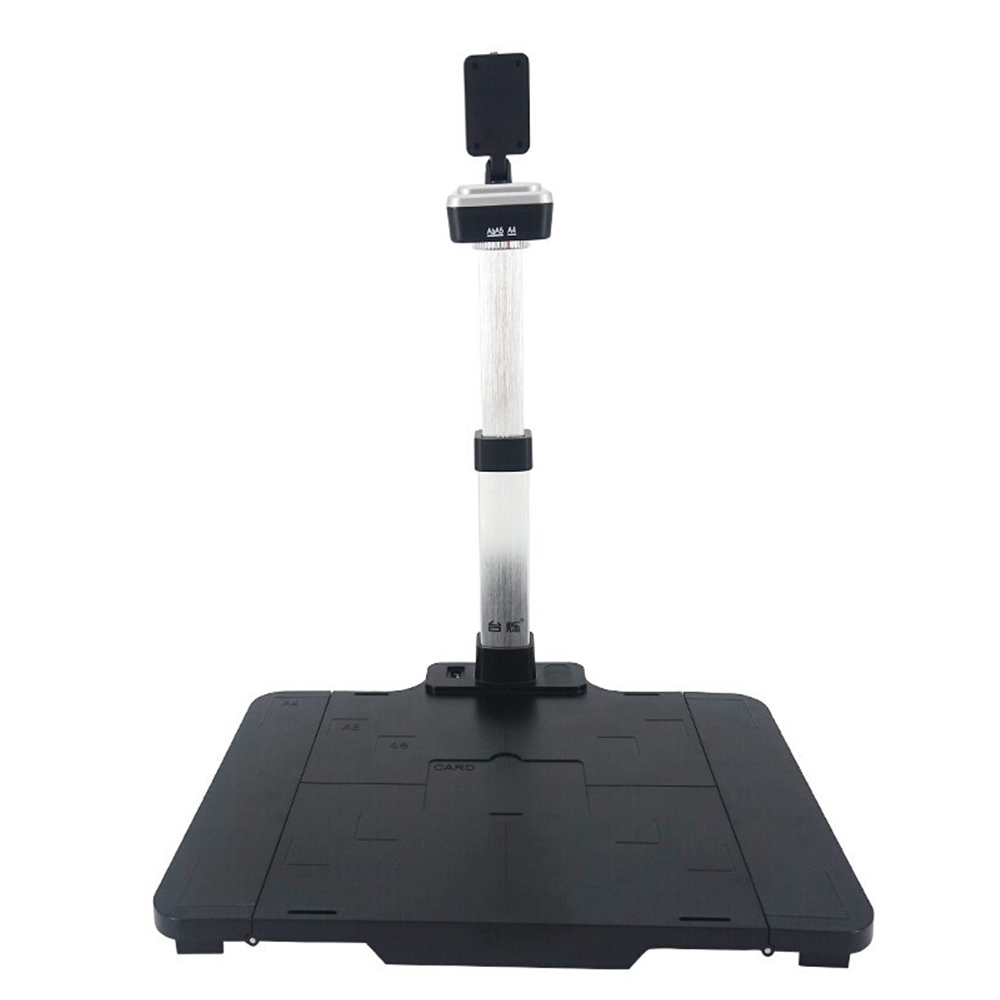
OEM HD 5MP double Camera Document camera Scanner For Government document camera
- 5MP dual lens
- ID + document
- Government
- Counter capture
Designed for counters that need a document view and an applicant view in one capture session. This dual-camera approach supports identity verification, audit trails and faster citizen service without adding a second peripheral.
View model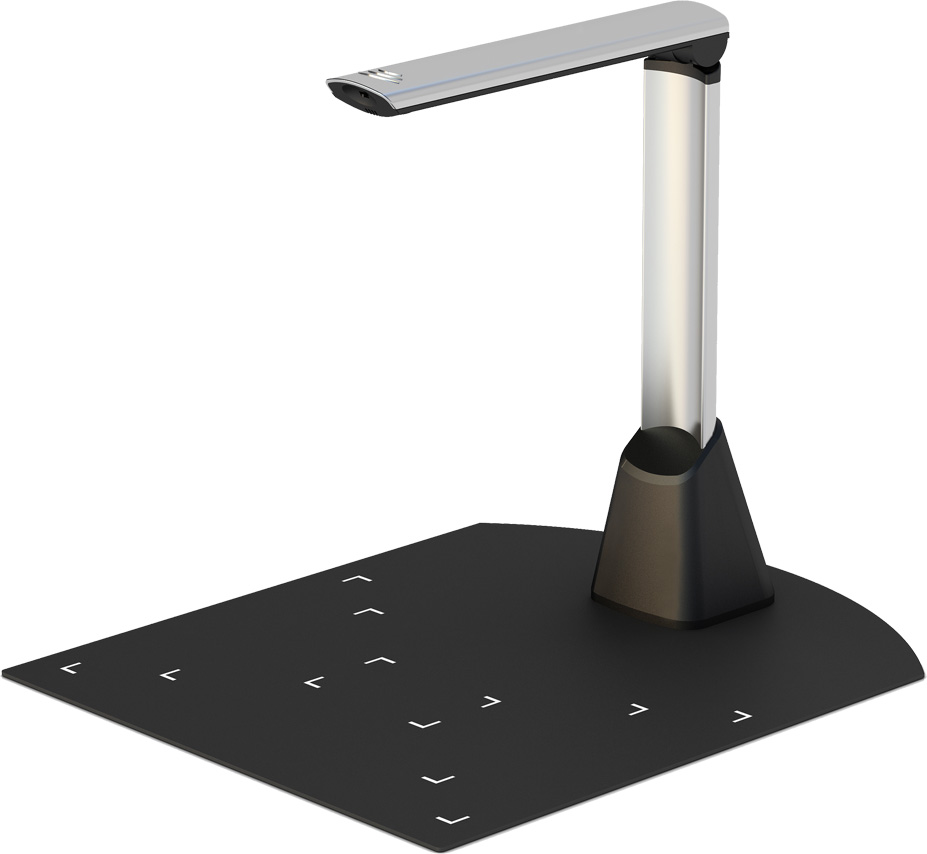
USB OEM A4 Fixed Focus Portable Desktop Document Scanner 13MP for Office Document Scanning
- 13MP
- A4
- Fixed focus
- USB
A compact desktop scanner for offices, libraries and service desks where portability and fast deployment matter more than A3 reach. Fixed focus shortens setup and reduces operator error in high-turnover workflows.
View model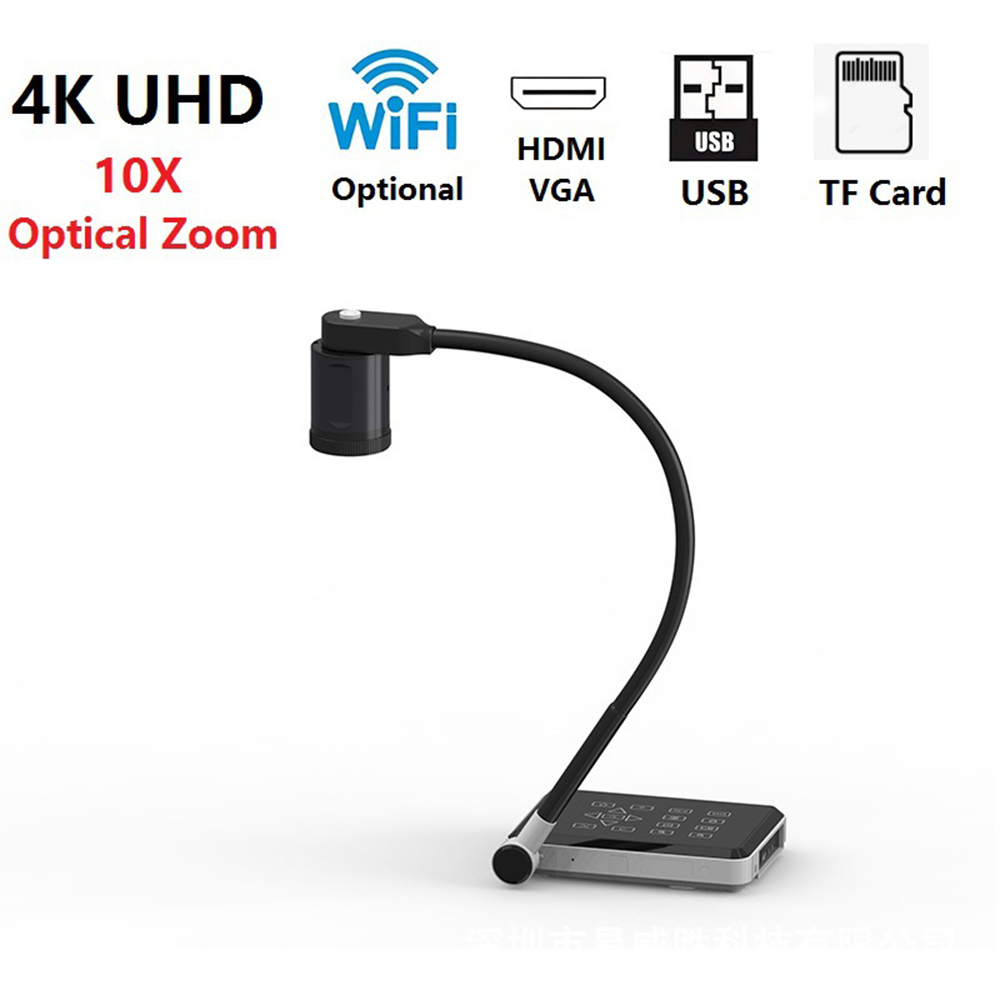
Visualized Handheld Hd Usb A4 Book Scanner A3 Automatic Management Document Camera Scanner
- Handheld
- HD USB
- A3/A4
- Book scanning
Built for book scanning and document management where bound pages, curved gutters and mixed media are common. Handheld positioning helps operators capture offsets and thick books without a fixed copy stand.
View model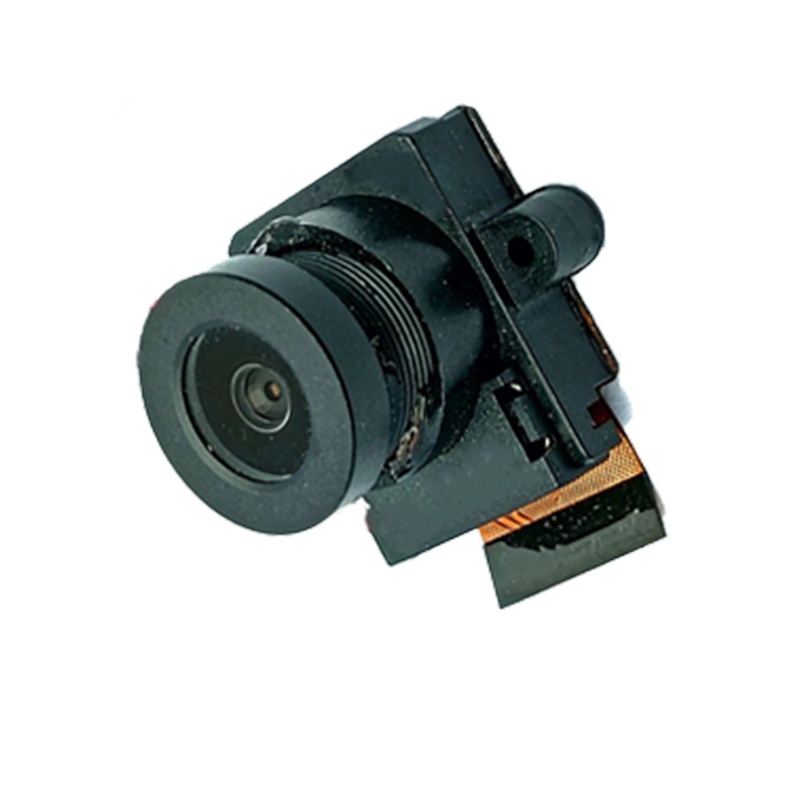
Factory hot-selling 1080p CMOS sensor body camera with HD video/audio recording and night vision
- 1080p
- Night vision
- Audio recording
- Body worn
A complementary imaging product for public-service and field-work tenders. When an OCR book scanner project also requires evidence capture or mobile recording, sourcing both from one manufacturer simplifies compliance and logistics.
View model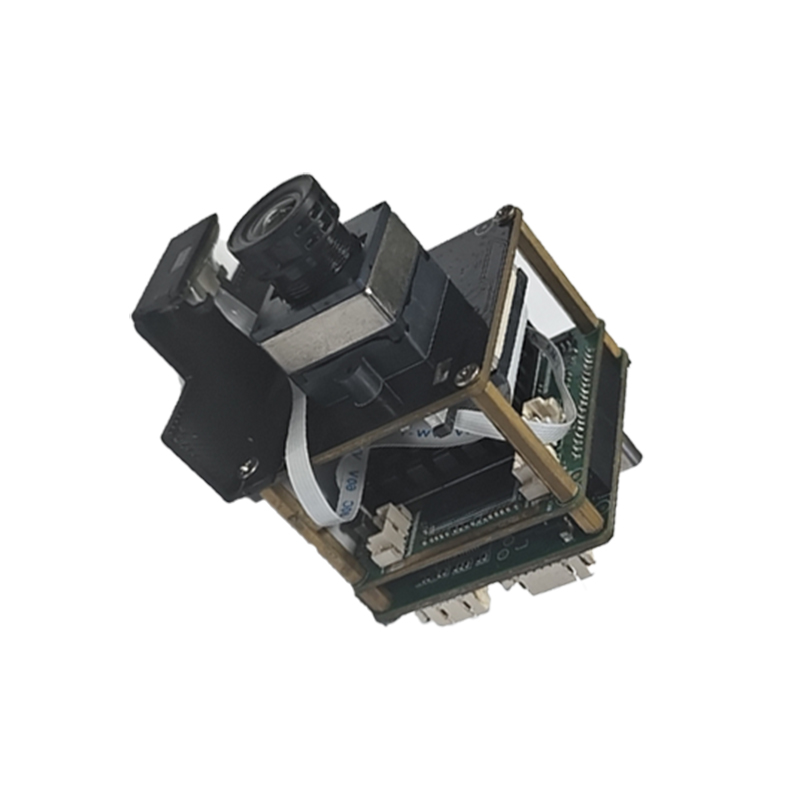
Factory customized HD live streaming conference/teaching 4K camera module compatible with multiple systems
- 4K
- OEM module
- Conference
- Teaching
An OEM camera module for lecture capture, conference rooms and hybrid learning carts. The module format gives integrators freedom to build the housing, mounting and connectivity around their own product design.
View model
Wireless Robotic Frame Book Scanner Document Camera A3 A4 Size Management Document Scanner for Online Class
- Wireless
- Robotic frame
- A3/A4
- Online class
A wireless book scanner for online classes and digitization stations that need repeatable overhead capture. The robotic frame helps maintain camera-to-page distance, a key factor in OCR consistency across page batches.
View modelNeed current price tiers, sample lead times or private-label options for an OCR scanner tender?
Get CatalogWhat Should a Top 10 OCR Book Scanner Wholesaler Actually Deliver?
A directory ranking is not a procurement strategy. A reliable OCR hardware partner must survive image-quality review, software integration, certification checks and repeat-order pressure.
Searching for a “top 10 OCR book scanner supplier” usually returns marketplaces, trading-company lists and paid placements. For a B2B buyer, that is not enough. A useful shortlist must show whether a wholesaler can supply repeatable image quality, software compatibility, certifications, spare-part continuity and a stable product roadmap across multiple purchase orders. The real information gain lies in comparing deployment risk, not just unit price.
OCR accuracy is a system outcome. It begins with the sensor, lens, illumination and focus strategy, then passes through compression, USB or wireless transmission, capture software, deskew and dewarp processing, and finally the OCR engine. A 13MP scanner that creates page shadows or keystone distortion can underperform an 8MP device with stable lighting and a well-designed book frame. Buyers should request sample scans of curved pages, glossy paper, handwriting, barcodes and mixed A3/A4 batches.
A strong supplier will provide SDK, TWAIN/WIA or UVC compatibility, a clear firmware update policy, and guidance on local versus cloud processing. They should also document MTBF assumptions, packaging drop tests, lead times, MOQ by SKU and spare-parts availability. These details separate a low-cost trial order from a repeatable wholesale programme.
- 8MP and 13MP sensor options with A3/A4 capture and consistent illumination
- USB plug-and-play, HDMI/VGA switching and 5.8GHz wireless models
- Auto-focus, fixed-focus, dual-camera and robotic-frame variants
- SDK, TWAIN/WIA or UVC integration support for OCR software partners
- ISO9001 quality system plus CE, FCC, RoHS and China 3C certification
- OEM logo, housing, packaging, firmware and private-label readiness
- FOB, EXW or DDP terms with export experience across five regions
Match the OCR Scanner to the Real Workflow
The fastest way to narrow a shortlist is to start from the workflow, not the megapixel count. These four configurations cover most wholesale and tender requirements.
Classroom live teaching
Choose a 13MP A3 visualizer with HDMI, VGA and USB outputs, plus 5.8GHz wireless if teachers need to move around the room. Prioritize stable focus and low-latency projection over extra software features.
Review WG133AF-HVLibrary and archive book scanning
Use an A3/A4 overhead scanner with auto-focus or a robotic frame, because page curvature, gutter shadow and camera distance directly affect OCR quality. Request sample batches with thick books and glossy inserts.
Review robotic-frame modelGovernment and banking counters
A dual-camera 5MP scanner records the document and the applicant in one session, which helps with audit trails, identity checks and faster citizen service. Ask for privacy controls and local-processing options.
Review dual-camera modelPortable office and service desks
Specify a 13MP USB A4 fixed-focus scanner when desks are shared, storage is limited and setup speed matters. Fixed focus lowers operator error and reduces support calls in high-turnover environments.
Review portable A4 modelResolution fit by OCR workload
Relative fit scores for common buying scenarios. These are procurement planning indicators, not laboratory OCR benchmarks.
Supplier scorecard weights
A practical weighting model for tender evaluation. Adjust the percentages to match your own compliance and service requirements.
Six Procurement Shifts Reshaping OCR Book Scanner Wholesale
Buyers are no longer purchasing a camera alone. They are purchasing a capture workflow that must integrate with document systems, security policy and long-term service planning.
OCR becomes an acceptance criterion
Tenders increasingly require sample files, character-recognition checks and proof of deskew/dewarp performance instead of relying only on resolution claims.
Wired and wireless in one family
Hybrid classrooms need USB plug-and-play for fixed desks and 5.8GHz wireless for movement. Wholesalers benefit when both modes share accessories and packaging.
Privacy and local processing
Government, banking and identity workflows favor on-device capture and controlled data transfer. Suppliers must explain firmware behavior and local-processing options clearly.
Modular OEM and sustained supply
Buyers want one platform with multiple resolution tiers, logo options and firmware settings. Long-term accessory availability matters as much as the initial unit price.
Total cost of ownership
Procurement teams now compare support response, spare parts, packaging durability and training load. A lower unit price can lose when field failure interrupts service counters.
AI-assisted capture
Auto-crop, page splitting, finger masking and background cleanup are moving into the device or companion software, reducing operator steps before OCR begins.
Where OCR Book Scanner Hardware Is Heading
The next procurement cycle will reward suppliers that can combine better optics, stable connectivity and document-aware image processing—not simply higher megapixels.
Higher resolution with better optics
13MP and larger sensors will continue to spread, but lens quality, glare control and uniform illumination will decide whether fine print remains OCR-friendly after zooming.
Auto-focus and dual-lens designs
Dual-camera configurations will expand beyond ID verification into book scanning, where one view captures the page and another supports positioning, glare control or operator context.
5.8GHz wireless and USB-C continuity
Classrooms and counters need predictable connectivity. 5.8GHz wireless reduces congestion, while USB-C and UVC continuity keep the same device usable across PCs, laptops and interactive panels.
Edge AI for document cleanup
Deskew, dewarp, crop, finger masking and shadow removal will become baseline features. These functions reduce manual correction and improve OCR throughput on curved books and loose pages.
Multi-camera identity verification
Government and finance buyers increasingly want document capture, applicant image and audit evidence in one session. This favors dual-camera scanners and integrated verification terminals.
Miniature FPC and CMOS modules
AR glasses, kiosks and compact wearables need custom camera modules with flexible placement. FPC and CMOS module design will become a parallel growth path for imaging manufacturers.
Why Eshuni Belongs on Your OCR Book Scanner Shortlist
Shenzhen Eshuni Technology Co., Ltd. has manufactured information collection and identity verification equipment since 2012. The advantage is not a single model; it is engineering, certification, OEM flexibility and export execution under one roof.
Our devices support digital transformation in education, finance, insurance, telecommunications, government and enterprise. Core hardware and software are developed in-house and protected by national patents. ERP-driven production and supply-chain management help keep quality consistent and lead times manageable, while our R&D team supports product design, project design and on-site project application.
For wholesale buyers, this means more than a catalog. It means a partner able to align sensor choice, housing, firmware, packaging and documentation with your tender requirements. Public buyer feedback currently shows a 4.8/5 average rating, and our trading record, credit index and trade history can be reviewed before you place a volume order.
In-house R&D since 2012
Long-running development experience across document cameras, visualizers, book scanners, webcams and camera modules.
Certified quality system
ISO9001 quality management plus CE, FCC, RoHS and China 3C certifications for compliant global supply.
OEM / ODM and private label
Logo, packaging, housing, firmware and buyer-label production support for distributors and system integrators.
ERP-driven production
Supply-chain and production planning that help reduce quality drift and improve repeat-order consistency.
Global trade support
FOB, EXW and DDP terms with regular shipments to North America, South America, Western Europe, South Asia and Africa.
Application-level engineering
Product design, project design and on-site project application support for education, government and enterprise workflows.
Questions Buyers Ask Before Ordering OCR Book Scanners
Clear answers reduce procurement friction. These are the points most often raised during sample evaluation, tender review and private-label planning.
Does Eshuni offer OEM and ODM document cameras and webcams?
Which certifications do your products and factory hold?
Should I choose an 8MP or 13MP document camera?
What is the difference between USB and 5.8G wireless document cameras?
Which trade terms and markets do you support?
What should be included in an RFQ for an OCR book scanner wholesale order?
Build a Better OCR Scanner Wholesale Programme
Share your application, target annual volume, required connectors and OCR software stack. Our team will recommend the right model, prepare a sample plan and outline OEM/ODM options for your market.
Get Catalog