Document Scanners, Book Cameras, and Visualizers for Indianapolis Buyers
These eight product families cover classroom demonstration, A3 drawing capture, library book scanning, office digitization, high-speed page capture, and biometric identity workflows. Each model can be quoted with OEM branding, packaging, firmware configuration, and project-specific accessories.
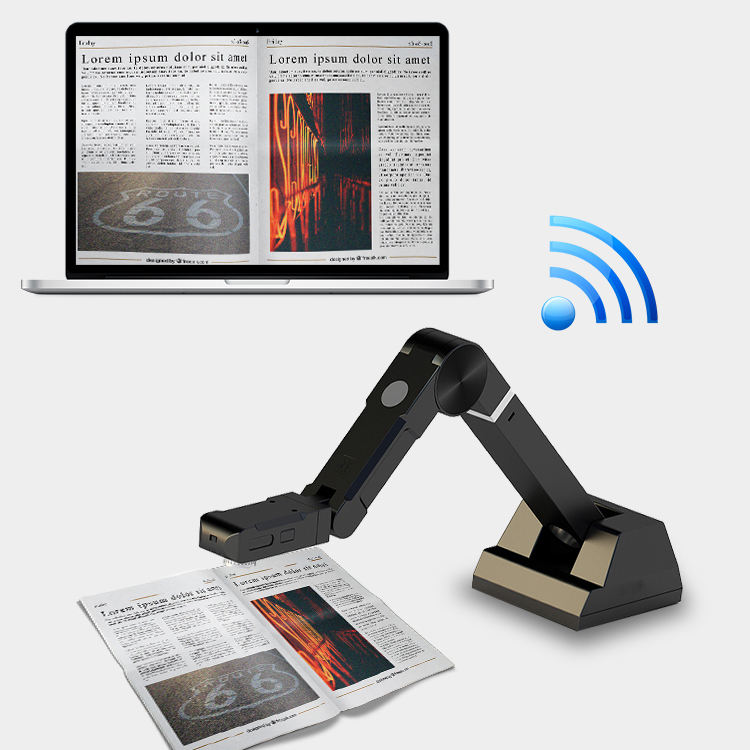
Visualized Handheld HD USB A4 Book Scanner A3 Automatic Management Document Scanner Camera
A practical USB document camera for office intake, student records, and countertop capture where plug-and-play deployment matters.
View OEM specification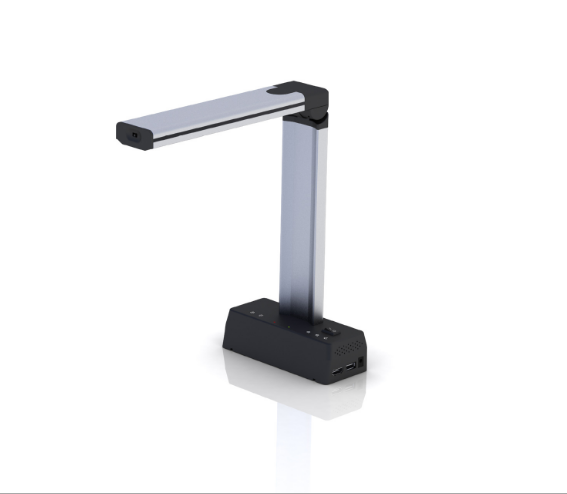
WIFI Document Camera Visualizer Wireless 5.8G OEM ODM Document Scanner for Education or Office
A wireless visualizer for classrooms and training rooms that need freedom of movement without relying on congested 2.4GHz networks.
View OEM specification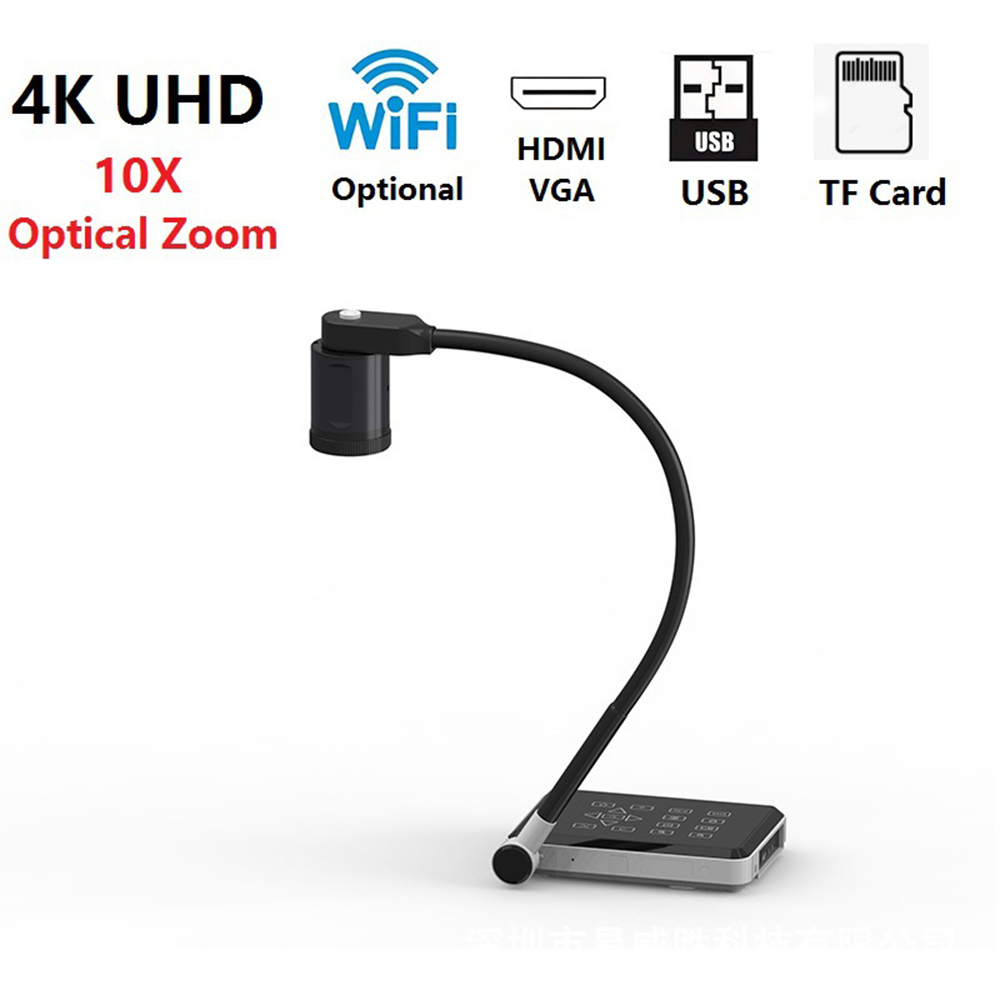
Visualized Handheld HD USB A4 Book Scanner A3 Automatic Management Document Camera Scanner
A flexible document camera for Indianapolis offices that scan bound pages, forms, invoices, and mixed-size paper at one station.
View OEM specification
Wireless Robotic Frame Book Scanner Document Camera A3 A4 Size Management Document Scanner for Online Class
A structured overhead frame system for libraries, archives, and online teaching where repeatable book placement improves capture consistency.
View OEM specification
China Document Camera A3 Portable Wireless 13MP Visualizer Document Camera
A high-resolution A3 visualizer for fine print, engineering drawings, STEM demonstrations, and archival scans that must remain legible after zooming.
View OEM specification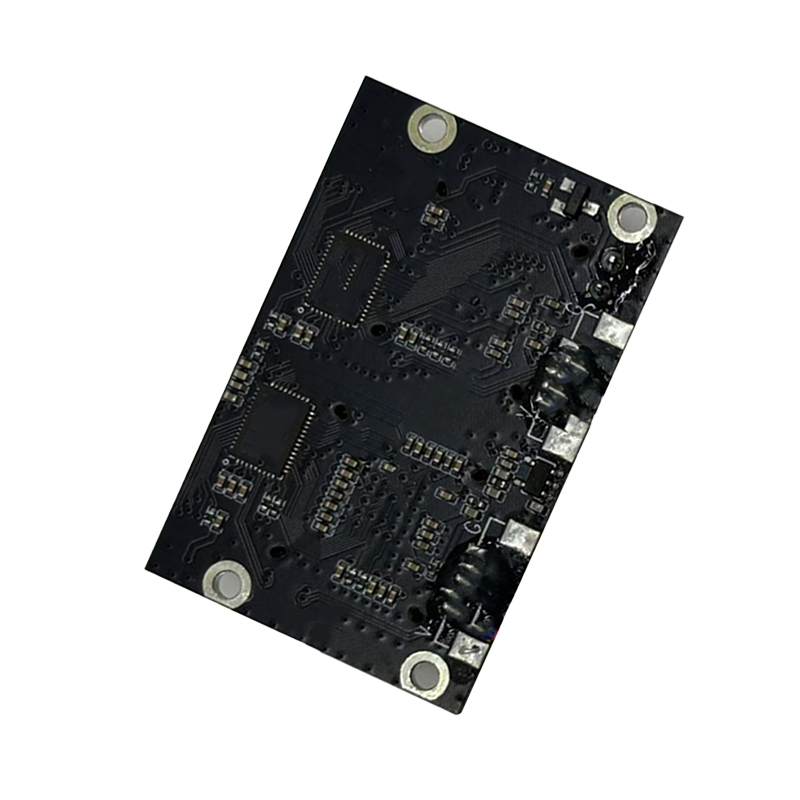
Dual 1080P Finger Vein Palm Print Recognition Facial Recognition Camera Module CMOS Sensor
An OEM imaging module for identity verification kiosks, access-control terminals, and multi-factor biometric workflows.
View OEM specification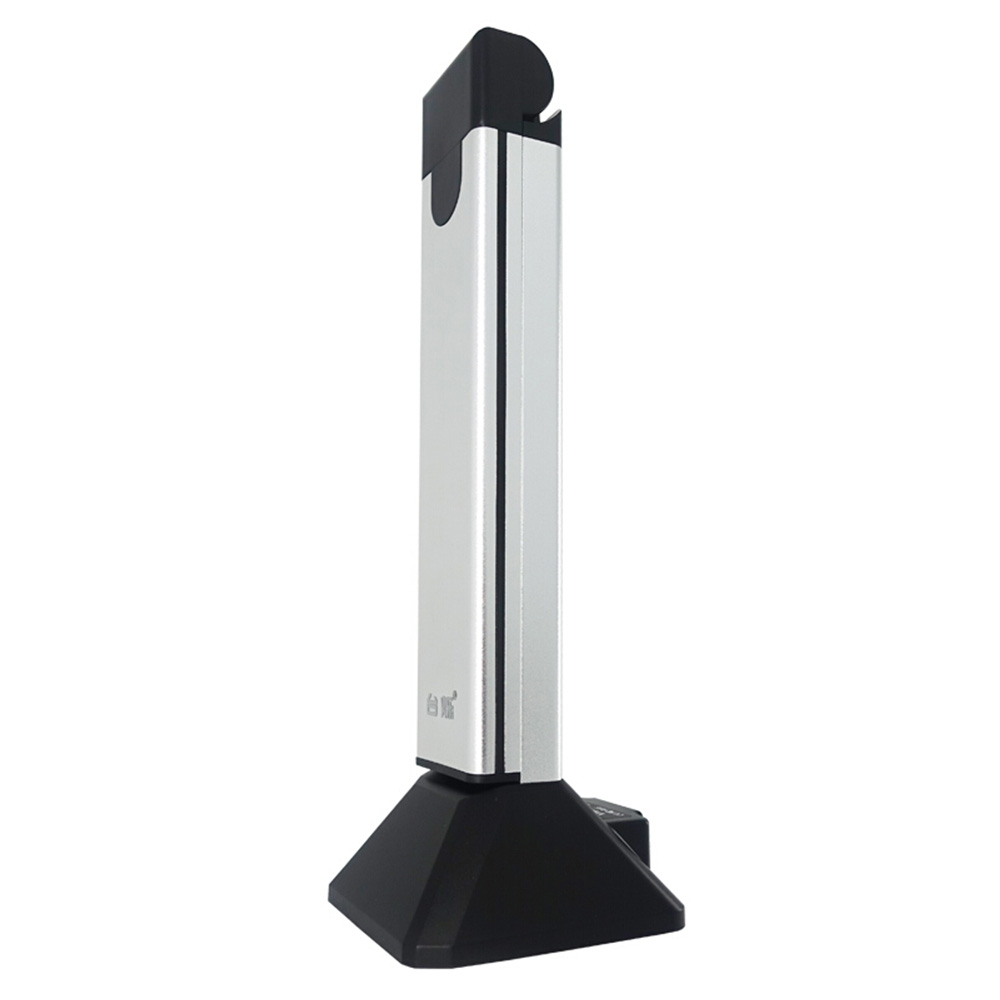
Document Camera Page Camera High Speed Page Scanner for Online Educational Equipment
A page-focused capture device for tutoring centers, test prep, and high-turnover document review where teachers need a fast live image.
View OEM specification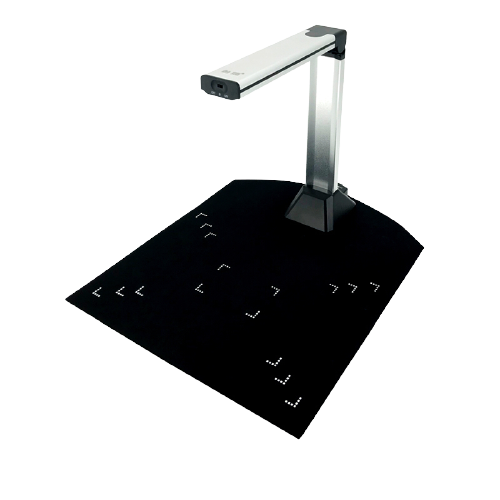
Portable OEM 8MP Document Camera Visual Presenter for Education Equipment Camera Scanner
A compact visual presenter for hybrid classrooms and travelling tutors who need an easy-to-carry overhead camera with OEM branding options.
View OEM specificationWhat Indianapolis Buyers Actually Need from an OEM USB Document Scanner Supplier
Indianapolis procurement teams search for a scanner, but they are usually solving a workflow problem: student documentation, public-counter identity checks, claims intake, court exhibits, library digitization, logistics paperwork, or hybrid classroom visibility.
A qualified OEM document scanner manufacturer is more than a catalog source. Indianapolis buyers need a supplier that can connect a camera model to a real deployment: will it capture a full A3 drawing or only an A4 page, will it run on USB power at a front desk, will the live image remain stable in a crowded school wireless environment, and can the factory support private-label packaging without delaying a project deadline?
For education buyers across Marion County and surrounding communities such as Carmel, Fishers, Noblesville, Greenwood, and Zionsville, the document camera has become a second teaching camera. It is used for math walkthroughs, reading demonstration, science experiments, art critique, and remote tutoring. The purchasing decision usually depends on capture area, frame rate, lens clarity, light handling, and software compatibility, not on a generic megapixel number alone.
For public agencies, healthcare groups, insurers, legal teams, and logistics companies near downtown Indianapolis or the I-65/I-70/I-74 corridors, the requirement is often different. They need repeatable image capture for records, IDs, contracts, bills of lading, inspection sheets, or service forms. The best-fit model may be a USB overhead scanner, a dual-camera identity module, or a frame-based book scanner that reduces operator error.
This guide applies an E-E-A-T buying framework: transparent manufacturer identity, verifiable certifications, product-specific specifications, real deployment scenarios, and clear customisation boundaries. It is written for B2B buyers who need information gain before requesting samples or issuing a tender, not for casual consumer scanning.
Where OEM Document Cameras and Scanners Fit in Central Indiana Workflows
Localised use cases matter because a scanner selected for a third-grade classroom is rarely the same scanner selected for a county records counter or an insurance claims team.
K-12 and higher education
Document cameras support live demonstration, blended learning, tutoring, and accessibility. Indianapolis-area districts and universities can specify 8MP portable presenters for classroom mobility or 13MP A3 models for detailed STEM and design work.
Public agencies and service counters
City, county, and state service environments need fast document capture for permits, applications, supporting evidence, and identity checks. USB overhead scanners reduce training time; dual-camera modules support kiosk-style verification.
Healthcare, insurance, and benefits
Patient intake, claim documentation, prior-authorisation packets, and benefits forms often arrive on paper. A USB book scanner helps teams capture pages without cutting bindings, while local compliance teams should validate privacy and retention requirements.
Legal, courts, title, and real estate
Exhibit capture, bound-file review, signed contracts, and property records require consistent overhead imaging. Frame-based scanners improve repeatability for paralegals and records staff who capture many pages per day.
Logistics, manufacturing, and construction
Indianapolis sits at the center of major freight and distribution routes. Scanners can digitise bills of lading, quality inspection sheets, safety forms, change orders, and marked-up drawings at warehouses, job sites, and operations offices.
Libraries, archives, and genealogy
Public libraries, historical societies, and research teams in Central Indiana often handle fragile books, newspapers, maps, and photographs. Overhead book scanners avoid flatbed pressure and support A3/A4 capture for digital collections.
Match the Scanner to the Indianapolis Workflow
Use this matrix as a first-pass specification aid. For tenders and private-label ranges, request a sample test with the buyer’s actual documents, lighting, software, and counter dimensions.
| Buyer scenario | Recommended model | Why it fits | Fit signal |
|---|---|---|---|
| Hybrid classroom and live teaching | 5.8G WiFi visualizer | Cable-free demonstration, stable 5.8GHz transmission, and teacher mobility. | |
| A3 drawings, fine print, and STEM detail | A3 portable 13MP visualizer | Higher resolution and A3 area support zoomed inspection of detailed content. | |
| Library, archive, and bound-book capture | Wireless robotic frame book scanner | Frame-guided placement improves repeatability for fragile or thick volumes. | |
| Office intake and USB plug-and-play | HD USB A4/A3 book scanner | Simple USB deployment for front desks, records rooms, and administrator workstations. | |
| High-turnover page and tutoring capture | High-speed page scanner camera | Fast live page review for lessons, test preparation, and document-heavy workflows. | |
| Biometric kiosk and identity verification | Dual 1080P biometric module | OEM imaging module for face, palm, and finger-vein integration projects. |
Fit signals are relative planning indicators, not lab certifications. Final selection should be confirmed with samples and the buyer’s own software stack.
Six Trends Shaping Document Capture Demand in Indianapolis
Central Indiana buyers are balancing digital transformation with practical budget, privacy, and support requirements. These trends influence how OEM document scanners are specified.
Hybrid classrooms need a second camera
Schools and tutoring centers increasingly use an overhead document camera alongside the laptop webcam. USB bus-powered models simplify deployment, while 5.8G wireless models support movement around the room.
Records modernization continues
Agencies and regulated teams are digitising paper-heavy processes without sending fragile or sensitive documents off-site. Desk-side overhead scanners are becoming a practical bridge between paper and case-management systems.
Identity verification moves to counters
Public-service counters, access-control points, and financial workflows require fast image capture for identity review. Dual-camera and biometric modules are being integrated into kiosks and terminals.
AI software raises hardware standards
OCR, document classification, and image enhancement are only as good as the source image. Buyers are paying more attention to lens quality, lighting consistency, focus performance, and stable mounting.
Supply resilience matters
Indianapolis importers and integrators want a manufacturer with clear certification records, ERP-managed production, and a realistic lead-time plan rather than a one-off trading listing.
Total cost of ownership is scrutinised
Buyers compare sample performance, spare-parts availability, packaging durability, firmware stability, and after-sales communication, not only unit price. DDP quotes can simplify landed-cost planning.
How to Specify an OEM USB Document Scanner for an Indianapolis Project
A short, disciplined specification process reduces sample delays and avoids mismatches between the product page and the real deployment.
Confirm A4, A3, or mixed-format capture. A3 matters for drawings, maps, spreadsheets, and full-page textbook layouts.
Choose 8MP for standard A4 teaching and office use; consider 13MP when fine print or A3 detail must remain clear after zoom.
USB models are ideal for fixed desks. Wireless 5.8G models support mobility; confirm power adapters, U.S. voltage, and network conditions.
Test with the buyer’s document camera software, video conferencing tools, OCR workflow, and operating system before volume production.
Define logo, packaging, user manual, firmware lock-screen, accessories, and private-label documentation requirements in the quotation.
Request applicable ISO9001, CE, FCC, RoHS, 3C, and product-specific test documentation for the Indiana buying team.
Test real books, forms, IDs, glossy paper, handwriting, dim lighting, and countertop heights. A sample is more useful than a specification sheet alone.
Confirm trade term, shipping route to Indianapolis, packaging standard, spare-parts plan, warranty terms, and escalation contact.
Why Eshuni Supports OEM Buyers Serving Indianapolis
Shenzhen Eshuni Technology Co., Ltd. is a manufacturer and solution provider for information collection and identity verification, established in 2012. We design and build document scanners, visualizers, book scanners, identity verification terminals, webcams, and camera modules.
Our product portfolio covers high-speed document scanners, video booths, book scanners, identity verification terminals, webcams, and custom camera modules. This breadth allows an Indianapolis systems integrator to source several imaging categories from one manufacturing partner while keeping project documentation, communication, and after-sales support consistent.
Eshuni operates an ISO9001 quality management system, and our products carry CE, FCC, RoHS, and China 3C certifications. Core hardware and software are developed in-house and protected by national patents. For buyers who need evidence before an order, we can discuss certification records, product specifications, sample testing, and factory information.
Our engineering team provides three levels of technical support: product design, project design, and on-site project application guidance. That is particularly relevant for Indianapolis projects that involve classroom installation, public-counter ergonomics, kiosk integration, or archive scanning stations where the camera must fit an existing workflow.
We support OEM manufacturing, product design services, and buyer-label production. ERP-driven production and supply-chain management help keep quality consistent and lead times visible. We accept FOB, EXW, and DDP delivery terms and regularly ship to North America, South America, Western Europe, South Asia, and Africa.
Factory-direct OEM/ODM
Private-label logos, packaging, manuals, accessories, and firmware configuration are quoted against the target model and project volume.
R&D-led customisation
In-house hardware and software development supports camera modules, imaging devices, and application-specific configurations.
Quality and certification framework
ISO9001 management, CE, FCC, RoHS, and 3C documentation support U.S. B2B procurement and tender review.
Export experience
FOB, EXW, and DDP terms with shipping plans suited to sample orders, Midwest distribution centers, and project rollouts.
Common Procurement Questions from Indianapolis Buyers
These answers address the practical questions that arise before sample requests, DDP quotations, and purchase orders.
Can you supply OEM USB document scanners with our logo for Indianapolis projects?
Which scanner is better for Indianapolis buyers: 8MP or 13MP?
Do you have local stock in Indianapolis?
How do you ship samples and production orders to Indianapolis?
Are your products certified for U.S. B2B buyers?
Can you support education, government, and healthcare privacy requirements?
What trade terms do you support for Indianapolis orders?
What is the typical MOQ and lead time?
Planning a School, Agency, Healthcare, or Private-Label Scanner Project?
Send your capture area, document type, connection preference, software environment, target quantity, and Indianapolis delivery requirements. Our team will recommend the most suitable OEM document camera or scanner model and prepare a project-specific quotation.