8 Products for Face Recognition & Access-Control Integration
Access control rarely stops at the gate. These Eshuni imaging products support enrollment, document capture, guard patrol, reception verification and camera-module customization around a face recognition gate controller project.
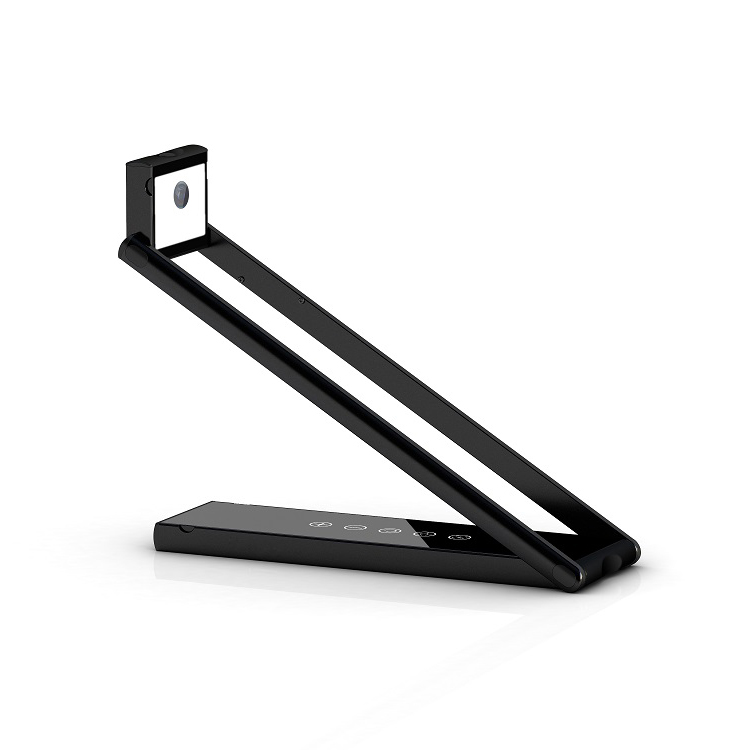
A3 Document Camera Visual Presenter Scanner
Overhead A3/A4 capture for visitor documentation, staff training rooms and control-room evidence collection.
View product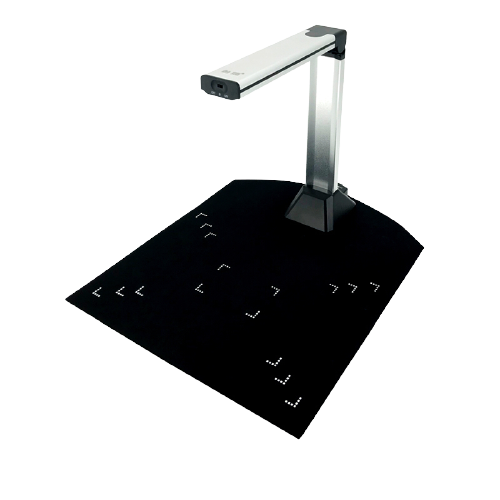
Portable 8MP Document Camera Visual Presenter
A portable enrollment and training visualizer for integrators who need flexible desk-side image capture.
View product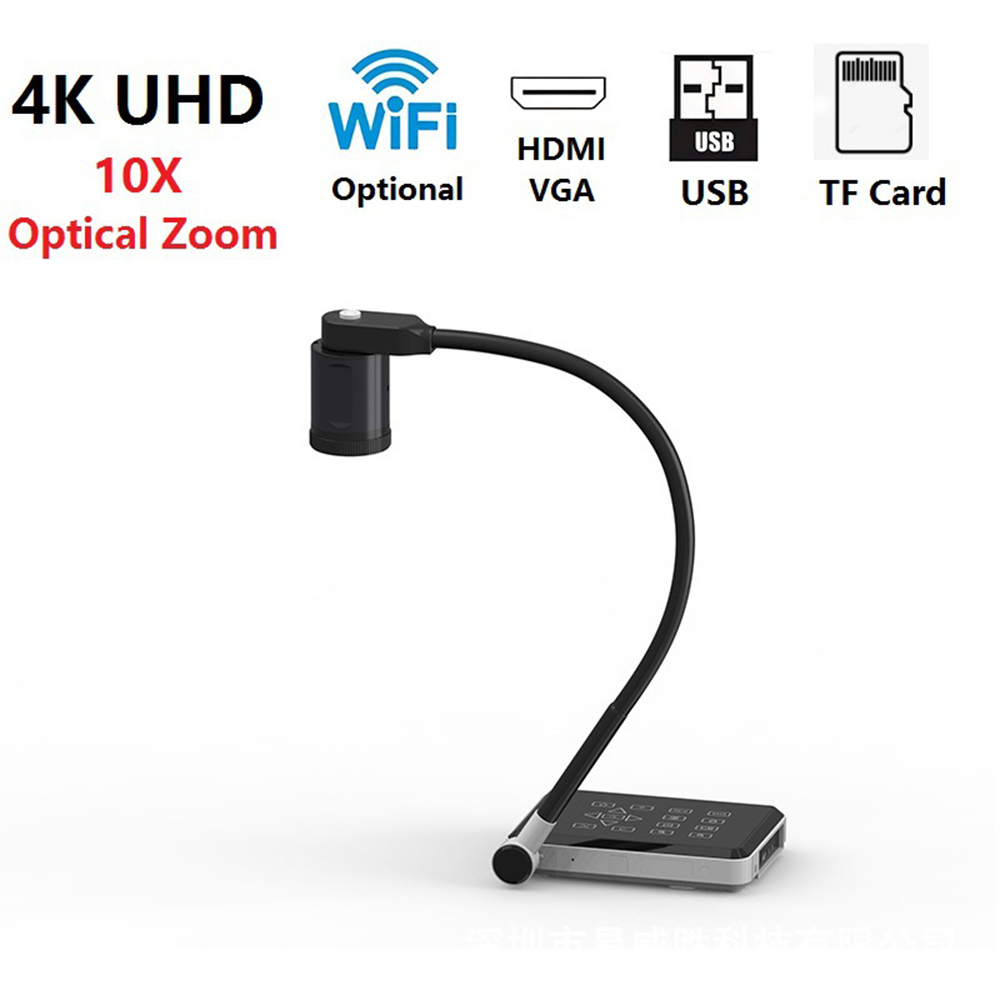
HD USB A4 Book Scanner with A3 Management
Document-camera scanning for identity paperwork, contracts and access-request forms at reception.
View product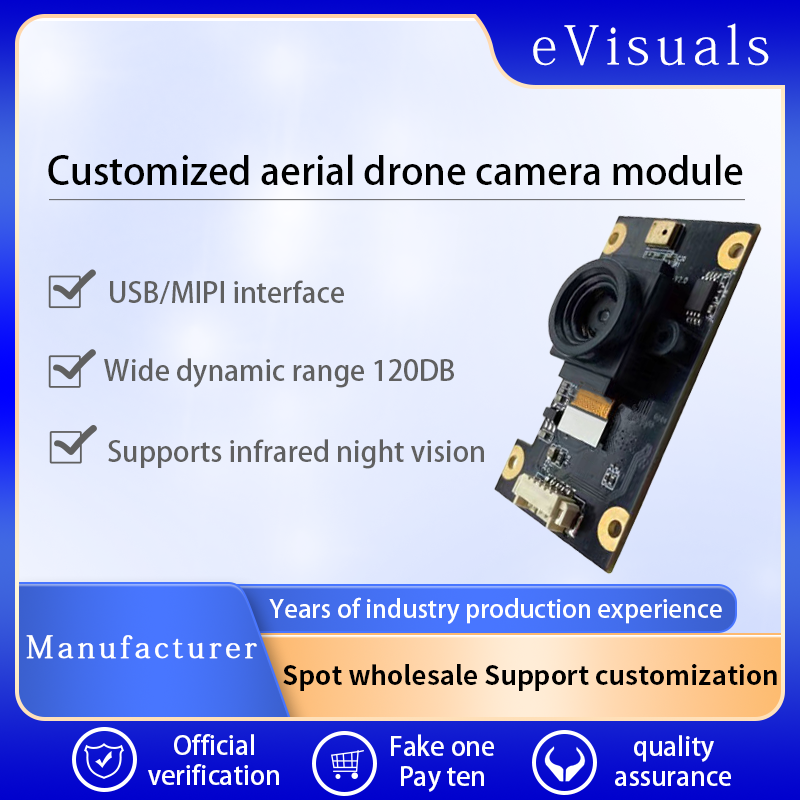
Customized 4K Wireless Face Recognition Camera Module
OEM wireless video module for face-capture, drone, kiosk and embedded access-control designs.
View product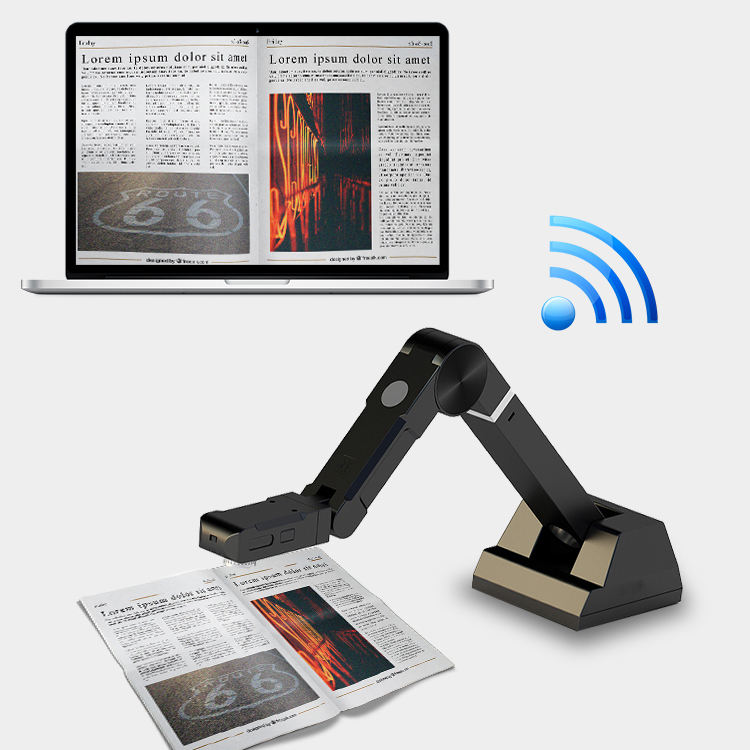
Handheld HD USB A4/A3 Document Scanner Camera
Automatic document capture for enrollment packets and audit records in high-volume service counters.
View product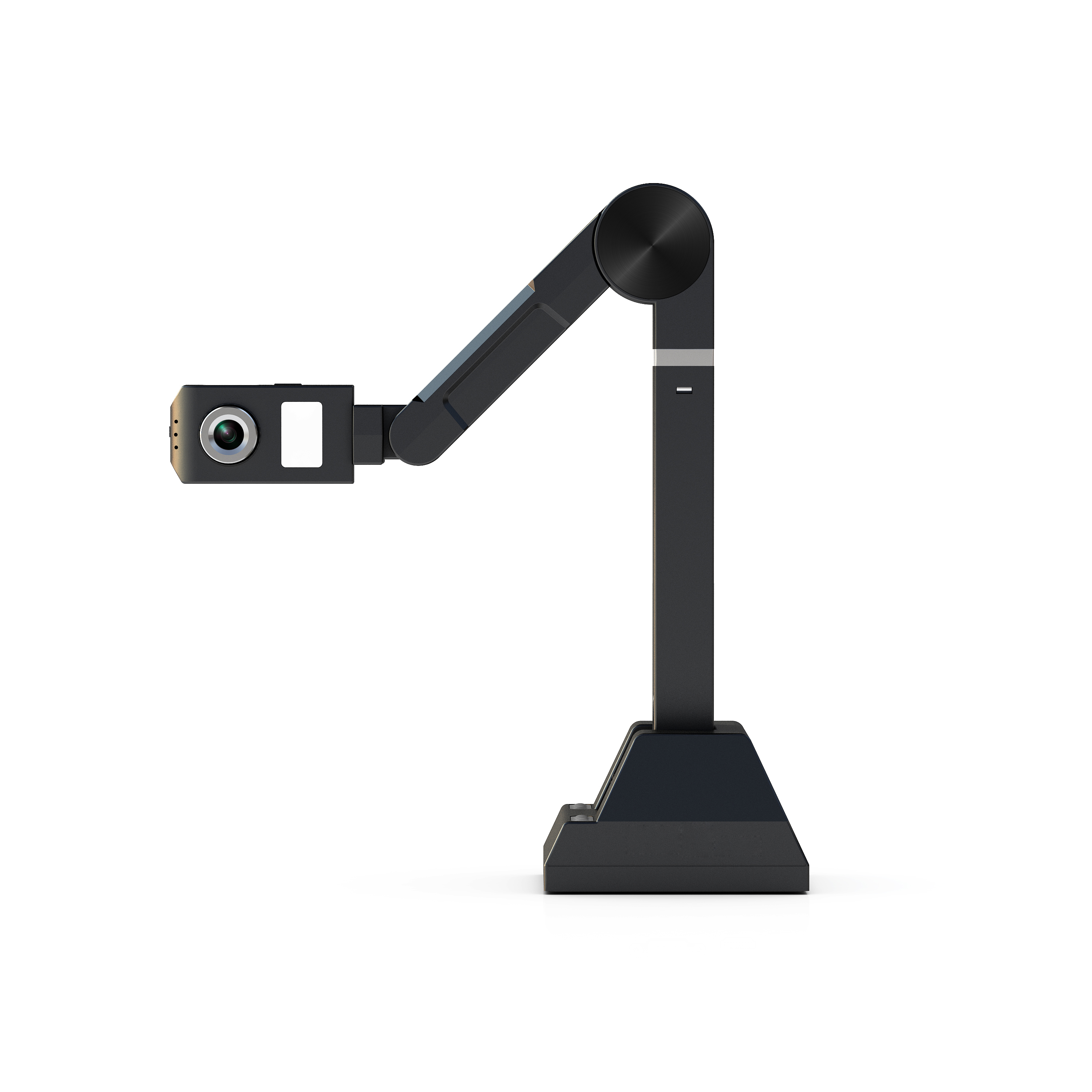
HD 8MP / 13MP Auto-Focus Document Camera Scanner
Auto-focus visualizer for online education, remote assistance and control-room collaboration.
View product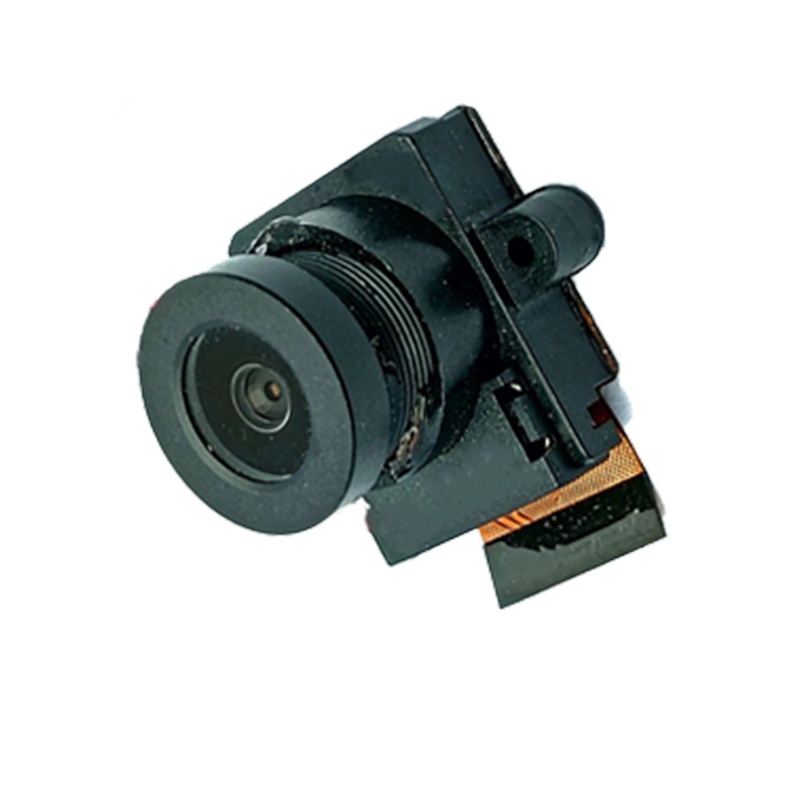
1080p CMOS Body Camera with Night Vision
Wearable video and audio recording for guard patrol, incident review and perimeter checks.
View product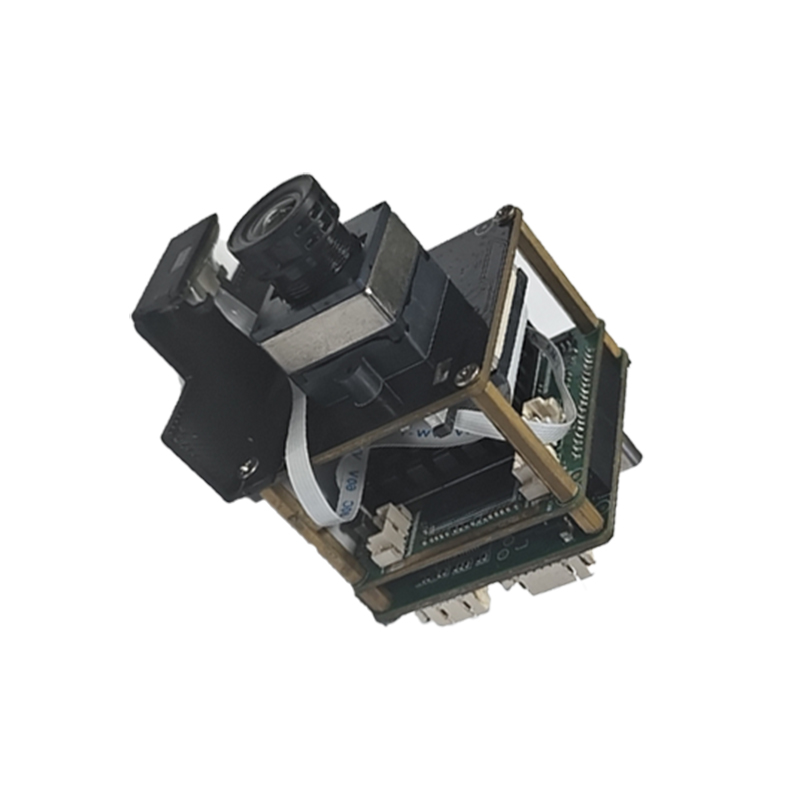
Customized 4K Live Streaming Camera Module
Embedded conference and teaching camera module for monitoring rooms, kiosks and remote support stations.
View productProject note: Tell us whether you need an indoor turnstile controller, an outdoor gate terminal, Wiegand or relay integration, or a private-label face-capture module for your own terminal. We will confirm the practical configuration and required documentation for Canada.
What Canadian Buyers Should Expect from a Face Recognition Gate Controller
Use this white-paper-style guide to specify a controller that satisfies workflow, privacy review, accessibility and integration requirements.
Canada's access-control market is not a copy of the U.S. or EU market. Buyers in Toronto, Vancouver, Calgary, Montreal and Ottawa work under a mix of federal and provincial privacy rules, bilingual service expectations, accessibility duties and a building stock that ranges from historic downtown towers to new distribution centres. A face recognition gate controller therefore needs to be judged as part of an identity-assurance workflow, not as a standalone camera. It must capture a usable face image, make or pass a match decision, release a door or turnstile, write an audit event and retain as little personal data as the project allows.
At Shenzhen Eshuni Technology Co., Ltd., we have designed and manufactured information-capture and identity-verification hardware since 2012. Our production experience covers high-speed document scanners, book scanners, identity-verification terminals, webcams, body cameras and custom camera modules. That matters to access-control integrators because a gate controller is only as dependable as its image pipeline, mechanical housing, firmware process and integration documentation. For Canada, the practical approach is modular: a face-recognition terminal or controller, a privacy-reviewed matching service, an access-control panel, a fail-safe lock or turnstile, and a support plan that works across time zones.
Local procurement teams also expect evidence. Public institutions, school boards, health authorities and universities may ask for a privacy impact assessment, data-flow diagrams, retention controls, accessibility statements, cybersecurity response procedures, warranty terms and deployment references. A low-cost terminal that cannot answer those questions is not a low-cost project. The right supplier should help you document the decision, not just quote a price. That is why we position the controller as a manufacturer-led customization project: sensor, enclosure, interface, firmware and support must be reviewed together.
Canada-Specific Conditions That Shape the Specification
These six topics should be resolved before a pilot, because each one changes the bill of materials, the privacy review or the operating cost.
Privacy by design
Start with data minimisation. A public entrance should not store raw face images by default. Prefer edge matching, encrypted templates, defined retention and role-based audit access. Under PIPEDA and provincial regimes, document purpose, notice, consent or lawful authority, vendor access and deletion. A privacy impact assessment should be completed before a pilot, not after a complaint.
Bilingual and accessible
French-language prompts, clear icons, adjustable voice and visual feedback, mounting heights for wheelchair users and an alternative card or PIN path are practical requirements in many Canadian buildings. Accessibility duties can vary by province and sector. Face recognition should be an option, not the only way through a door.
Cold-weather entrances
Entrances in Prairie and Northern projects can face extreme cold, snow, salt and condensation. Outdoor or vestibule-mounted hardware may need heaters, IP-rated enclosures, sun shields, low-temperature start-up, IR illumination and anti-glare tuning. Ask for the operating temperature of the complete assembly, not just the image sensor.
Cybersecurity evidence
Require role-based administration, signed firmware, encrypted communication, event logs, secure boot where available and a documented vulnerability response process. Segment the controller on a dedicated VLAN and define who can export biometric data. The lowest-risk design is usually one that limits both data and network reach.
Multi-site operations
Canadian integrators often support campuses, branches and warehouses across several provinces and time zones. Central template and policy management, remote diagnostics, spare-unit programs and a clear RMA path reduce truck rolls. Confirm whether the Canadian team can obtain replacement parts and firmware without waiting for a full shipment from Asia.
Visitor and contractor flows
Access control is not only employee entry. Visitor management, contractor onboarding, delivery areas, anti-tailgating and anti-passback all affect the gate controller specification. A controller that cannot share events with the access panel or video system creates manual work for security staff.
Match the Gate Controller to the Actual Site Workflow
Use this matrix as an early-stage specification aid. Final model selection must be confirmed against the chosen access panel, lock hardware, network policy and privacy review.
| Site scenario | Typical configuration | Integration focus | Environment | Procurement note |
|---|---|---|---|---|
| Corporate lobby | Face terminal + turnstile + visitor QR/card fallback | Relay, Wiegand, TCP/IP, event log | Indoor, high traffic | Bilingual prompts, accessibility path, privacy notice |
| Warehouse or dock | Rugged face terminal + guard body camera + anti-passback | Access panel, CCTV, alarm events | Dust, cold, variable light | Gloved use, low-light capture, tamper resistance |
| University residence | Face terminal + student card + mobile credential option | Residence access system, audit export | Indoor and covered outdoor | Consent, opt-out, deletion on move-out |
| Healthcare facility | Face terminal + card + privacy-zone policy + audit review | Nurse station, security operations | Indoor, controlled | PIA, least-privilege access, retention limits |
| Government service counter | Identity-verification terminal + document camera + face capture | Queue system, case file, operator audit | Public counter | Bilingual service, accessibility, document linkage |
| Multi-tenant residential | Face terminal + intercom + guest pass + card fallback | Building network, elevator control | Vestibule | Tenant consent, contractor rules, retention policy |
Protocol support, power options, IP rating and certification scope must be confirmed against the selected model and firmware release.
Where Canadian Projects Use Face Recognition Gate Controllers
Every site has a different risk profile. The controller should fit the operating reality of the people and buildings it serves.
Corporate headquarters
Frictionless entry for staff, visitor pre-registration, elevator dispatch and reception alerts. In a Canadian head office, the controller should support bilingual prompts and an accessible alternative. Pair it with a document camera at reception for ID capture and visitor badges.
Distribution and logistics
Gloved or hands-free entry, shift changes, anti-tailgating at dock doors and contractor access. Rugged housings and clear low-light performance matter more than decorative screens. Security teams also need event data that can be reconciled with video and time-and-attendance systems.
Higher education
Residences, labs and recreation facilities need segmented policies. Student consent and retention rules are sensitive; many institutions prefer card-first with face as an opt-in convenience. Integrators should provide clear audit reports and a deletion workflow for graduating or departing users.
Healthcare and clinics
Privacy zones and least-privilege access are essential. Do not infer health status from facial images. Audit logs and retention limits should be defined before deployment. In clinical areas, infection-control cleaning routines and device mounting must be considered alongside security performance.
Government service centres
Public service counters often combine face, ID document and operator verification. Use dual-camera or document-camera workflows so the person and the document can be linked under policy. Bilingual service and accessible alternatives are not optional extras in many publicly funded projects.
Multi-tenant residential
Intercom, delivery and contractor access create mixed populations. Ensure tenant consent, guest passes, deletion on move-out and a non-biometric path. The controller should be easy for property managers to audit without exposing personal data to unnecessary staff.
What Is Changing in Face Recognition Access Control
Canadian buyers are moving from novelty biometrics toward documented, integrated and supportable identity workflows.
Multimodal identity
Face recognition is increasingly one factor among several: card, mobile credential, PIN, QR code or operator verification. Buyers want graceful fallback when a face is not enrolled, a user declines biometrics, or lighting defeats the sensor.
Edge processing
Edge matching reduces raw-image transfer and can simplify privacy reviews, provided templates are encrypted and administration is controlled. Canadian buyers increasingly ask where matching occurs, what leaves the device and how firmware updates are authenticated.
Privacy evidence
Privacy impact assessments, retention schedules and data-flow diagrams are becoming part of the procurement package. Suppliers that can explain data residency, deletion, access control and subcontractor handling shorten the approval cycle.
Open integration
Security teams do not want another isolated system. They want events in the access-control platform, video in the VMS and audit data in the security operations workflow. Documented APIs and protocol support are now evaluation criteria.
Climate-ready hardware
Canadian deployments reward manufacturers who understand condensation, salt, glare, snow build-up and low-temperature start-up. A controller that works in a laboratory may fail in an unheated loading dock if the enclosure and power design are not reviewed together.
Lifecycle support
Firmware lifecycle, spare parts, RMA turnaround and local technical response are becoming as important as the initial unit price. Multi-year projects need a supplier who can support the installed base after the pilot phase.

Factory & R&D centre · Shenzhen, Guangdong
Inside Eshuni's Imaging and Identity-Verification Supply Chain
Shenzhen Eshuni Technology Co., Ltd. is a manufacturer and solution provider for information collection and identity verification. Since 2012, our team has built high-speed document scanners, visualizers, book scanners, identity-verification terminals, webcams, body cameras and camera modules.
Our factory operates an ISO9001 quality-management system, with CE, FCC, RoHS and 3C documentation for applicable products. Hardware and software are developed in-house and protected by national patents. ERP-driven production and supply-chain management help keep specifications, traceability and lead times consistent.
For access-control projects, our relevance is the vision-capture layer: camera modules, face-capture hardware, document-camera enrollment, body-worn video and custom imaging. We support OEM manufacturing, product design and private-label production, with three levels of technical support - product design, project design and on-site project application - for education, finance, insurance, telecom, government and enterprise buyers.
We accept FOB, EXW and DDP delivery terms and regularly ship to North America, South America, Western Europe, South Asia and Africa. For Canadian buyers, the key is to request the correct certificate scope, firmware version, interface documentation and spare-parts plan before approving a pilot.
Evaluate the Manufacturer, Not Only the Datasheet
A face recognition gate controller is a long-life security device. The supplier's documentation and support model are part of the product.
Scope-verified certifications
Ask for certificate scope, model numbers, test reports and the difference between component certification and complete-device certification.
Privacy impact pack
Request data-flow diagrams, retention settings, encryption method, access roles, deletion procedure and subcontractor disclosure.
Integration documents
Get wiring diagrams, relay ratings, Wiegand or TCP/IP details, event formats, API notes and tested access-panel combinations.
Environmental validation
Confirm operating temperature, humidity, IP rating, IK rating, power input, heater option and start-up behaviour after a cold night.
Firmware lifecycle
Ask who signs firmware, how updates are delivered, how vulnerabilities are reported and how long the model will receive security fixes.
Sample and pilot plan
Test with real users, diverse skin tones, glasses, masks where relevant, low light, backlight and peak-hour throughput before full rollout.
Export and label control
Clarify Incoterms, packaging, private-label requirements, serial-number tracking, warranty start date and customs documentation.
After-sales and RMA
Define who troubleshoots, where spare units are held, how long an advance replacement takes and who pays freight for warranty returns.
Questions Canadian Buyers Ask Before Ordering
These answers are written for distributors, systems integrators, security consultants and facility owners evaluating an OEM or private-label project.
Can Eshuni supply a face recognition gate controller for Canadian access-control systems?
What should be included in a privacy impact assessment?
How does the controller integrate with an existing access-control panel?
Can the system work in cold Canadian entrances?
Does face recognition work for diverse users and accessibility needs?
Which certifications should a Canadian buyer request?
What is the difference between edge matching and server matching?
What does an OEM or private-label project involve?
Which trade terms and shipping options are supported?
How can the project reduce tailgating and credential sharing?
Planning a Canada-Ready Face Recognition Gate Controller Project?
Send your site conditions, access-panel model, credential policy, language requirements and target timeline. Our team will recommend a practical OEM/ODM configuration and confirm the documentation needed for your Canadian pilot or tender.