8 Factory-Direct Capture Platforms for Toronto Office Projects
Toronto teams rarely need one generic scanner. They need a mixed fleet: a fixed A4 station for legal and finance desks, a portable visualizer for training rooms, a wireless unit for shared spaces, and an embedded module for custom hardware. The eight platforms below cover those jobs and can be branded, packaged, and documented for OEM/ODM programs.
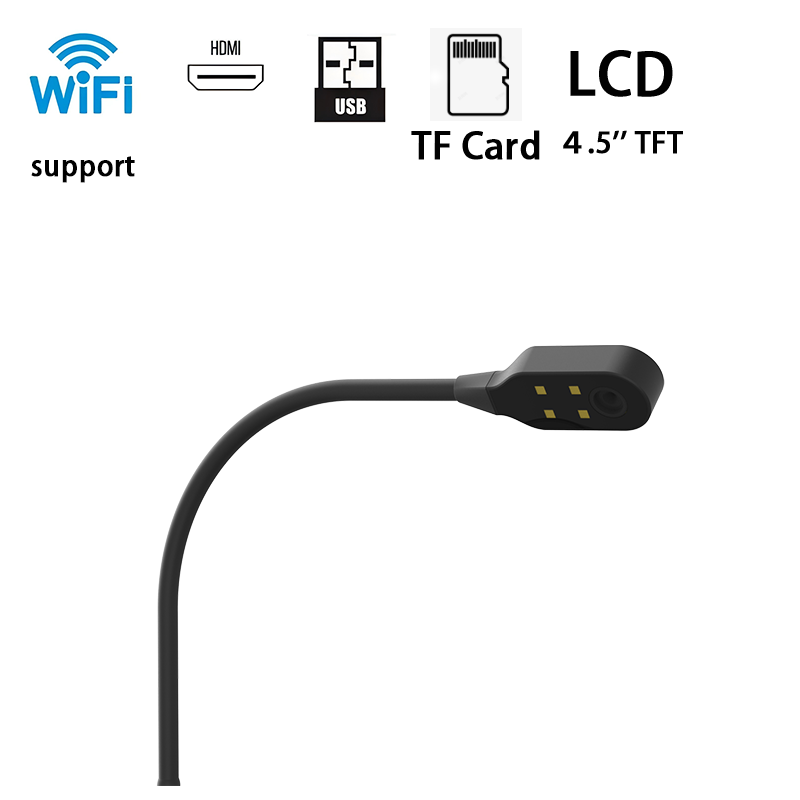
Support VGA WIFI Interface for Teacher Teaching Files, Camera and High Camera
A flexible visualizer platform for Toronto training rooms, hybrid classrooms, and shared presentation spaces where both legacy VGA and wireless workflows still exist.
View product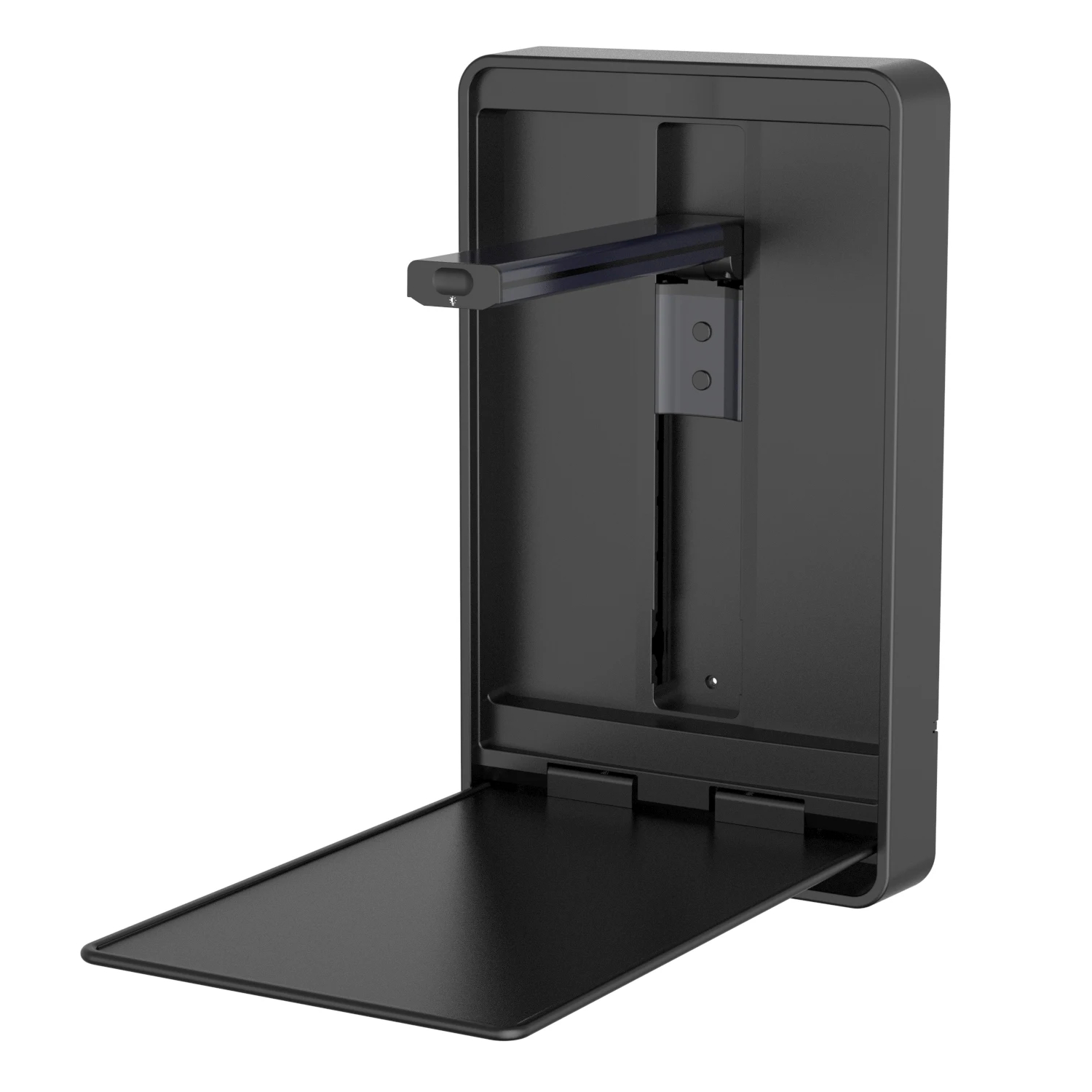
Document Camera OEM Factory 8M Education Display Stand for Wireless Document Camera Scanner, Wall Mounted Video Display Stand
A wall-mounted 8MP platform for rooms where the capture position must remain fixed, clean, and tamper-resistant while still supporting wireless display.
View product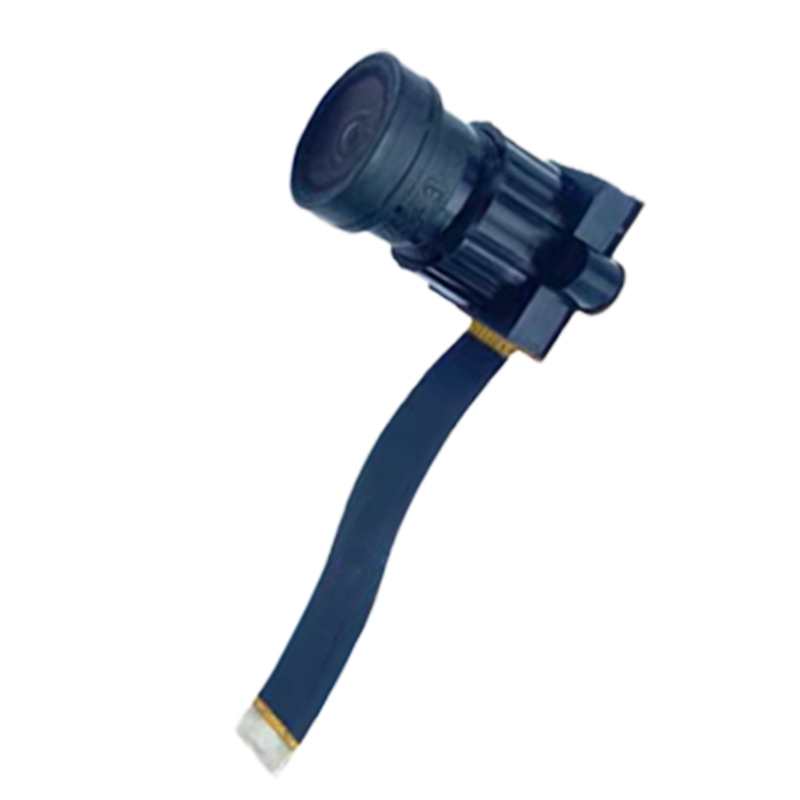
Professional manufacturer's CMOS sensor MIPI camera module 1080P 2K 4K drone wireless video transmission camera module
An embedded camera-module option for Toronto hardware teams building kiosks, inspection tools, wearable devices, or specialized document-capture terminals.
View product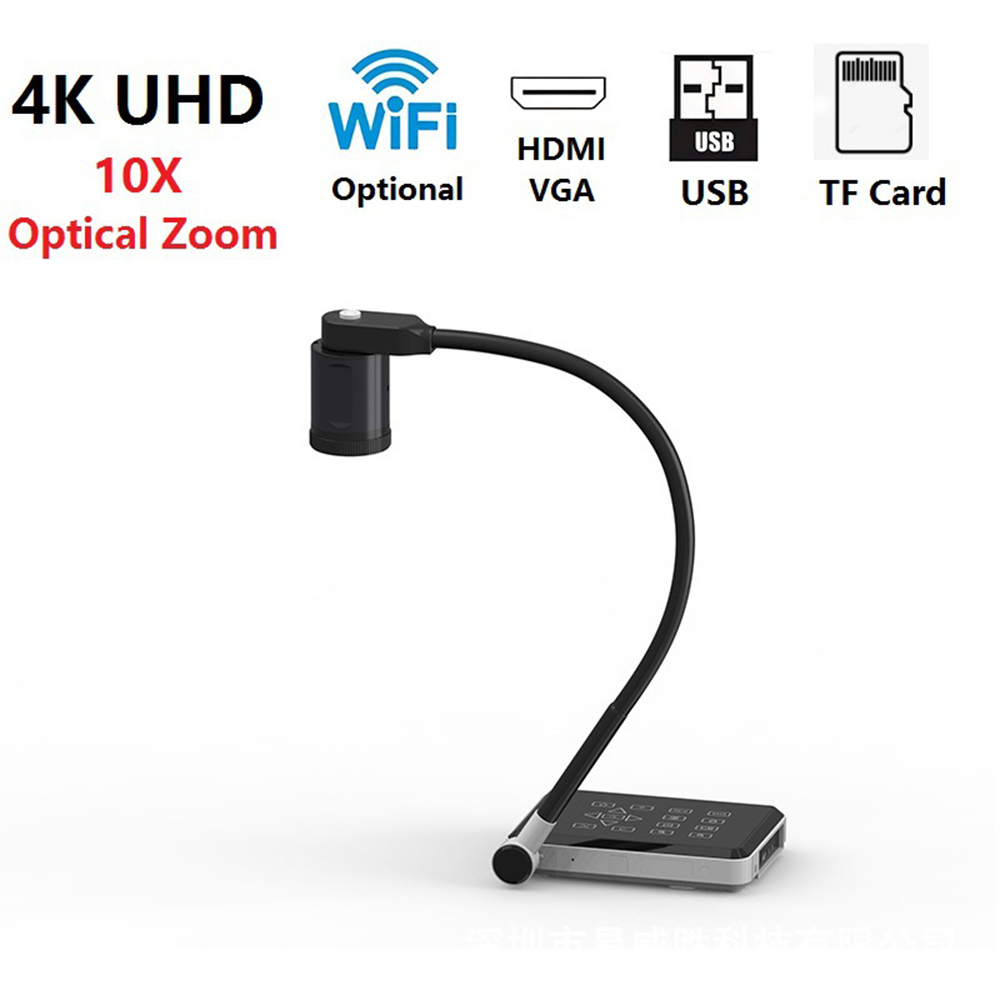
Visualized Handheld Hd Usb A4 Book Scanner A3 Automatic Management Document Camera Scanner
A handheld-to-desktop capture option for teams that need quick A4 book scanning plus occasional A3 sheets without dedicating a full flatbed station.
View product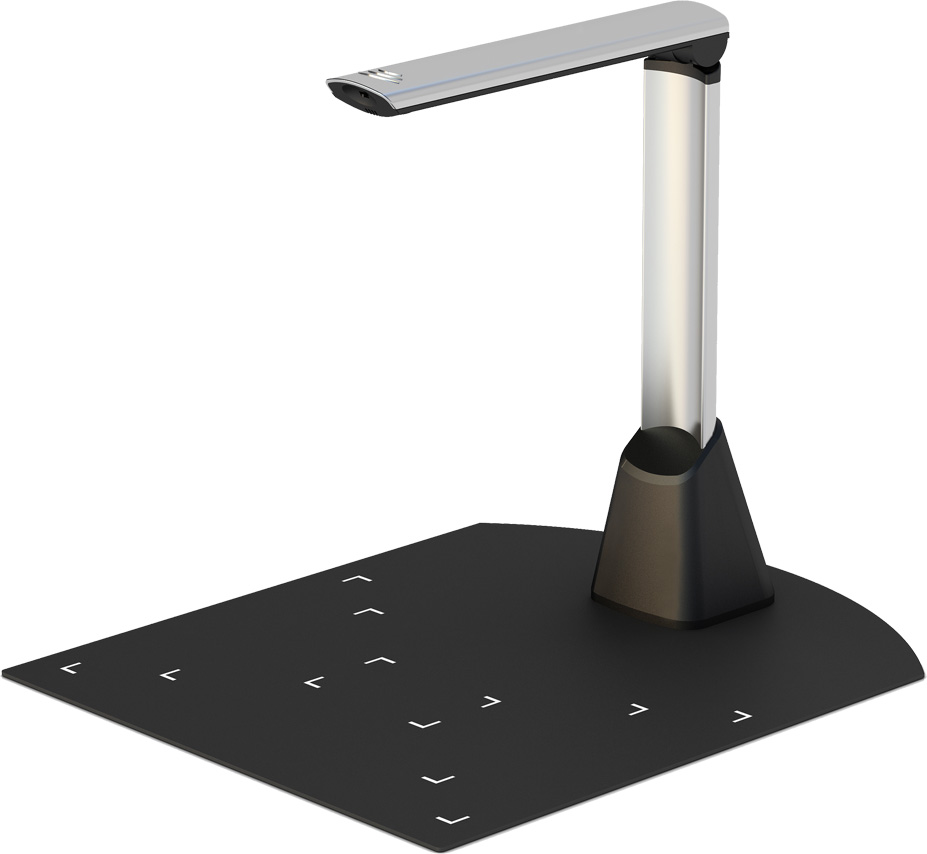
USB OEM A4 Fixed Focus Portable Desktop Document Scanner 13MP for Office Document Scanning
A strong default for Toronto legal, finance, insurance, and administrative desks that capture contracts, forms, and client files at a fixed workstation.
View product
China Document Camera A3 Portable Wireless 13mp Visualizer Document Camera
A portable A3 visualizer for shared floors, libraries, design reviews, and training rooms where oversize pages must remain legible after zooming.
View product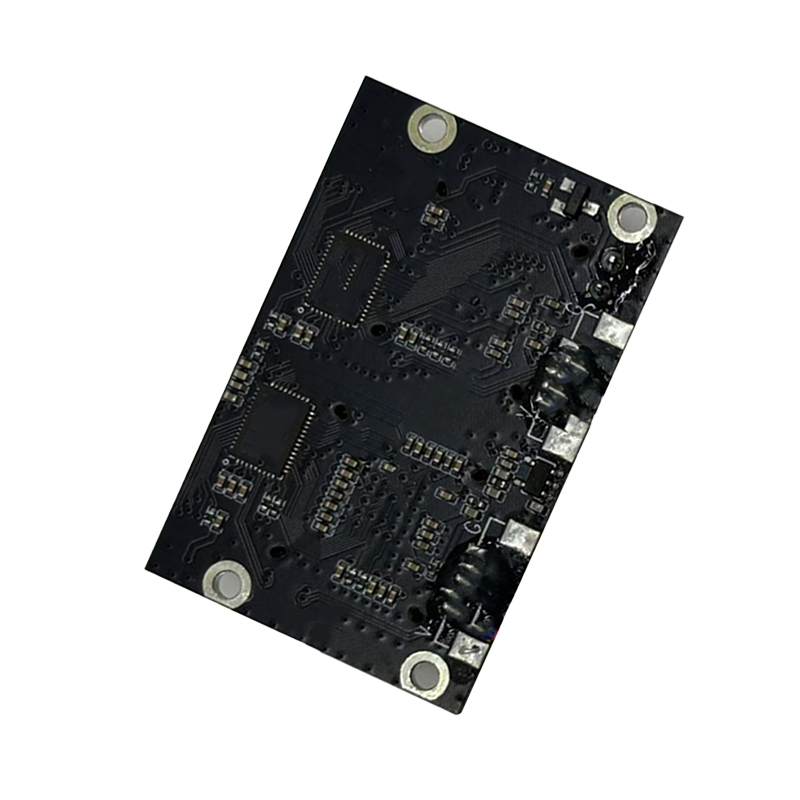
Newly upgraded dual 1080P finger vein palm print recognition facial recognition camera module CMOS sensor
A specialized dual-camera module for identity-verification hardware, access-control terminals, and secure counter systems that combine document capture with biometrics.
View product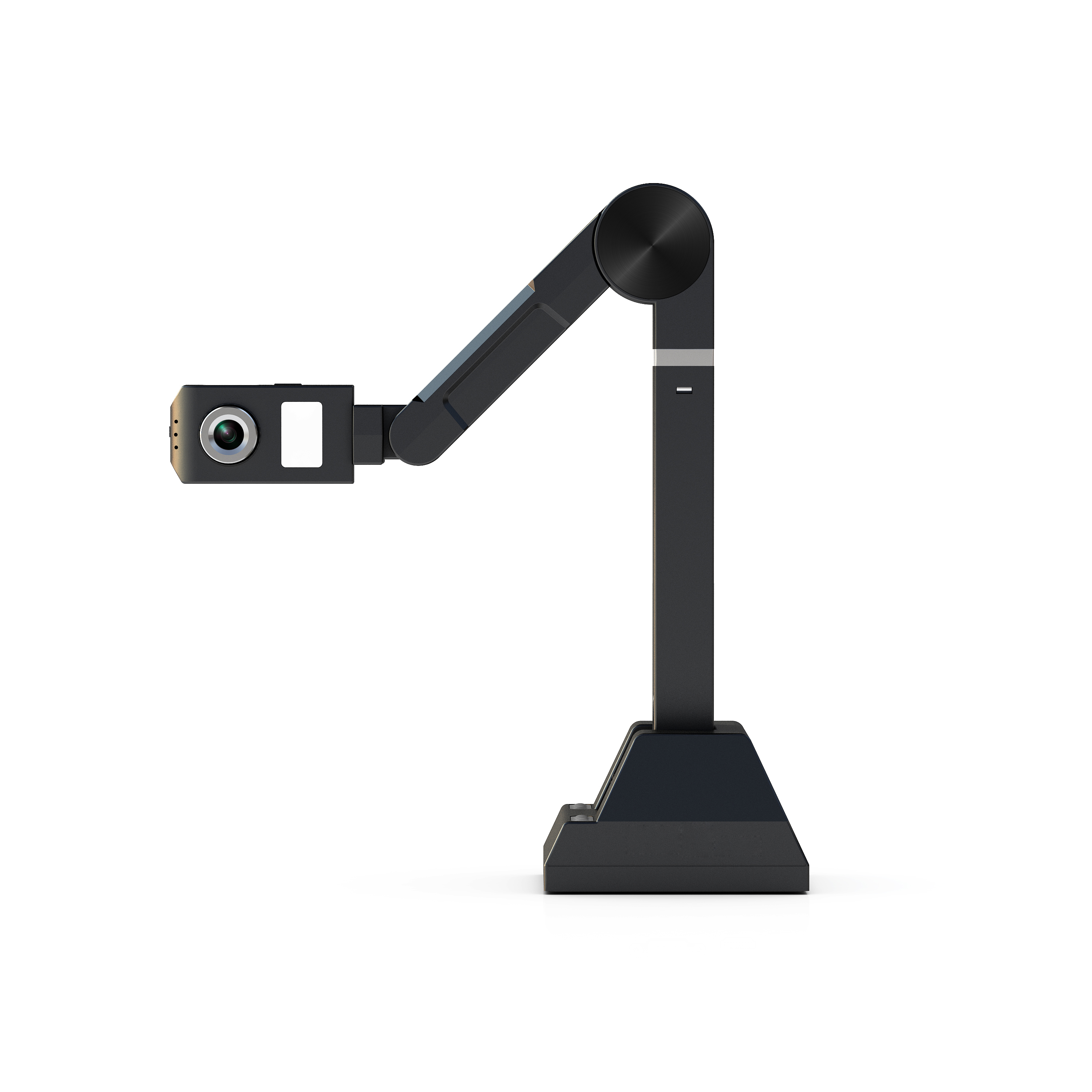
New design HD Camera 8MP 13MP auto focus Document Camera Scanner online educational equipment
An auto-focus model for mixed page thickness, book spines, worksheets, and online teaching, with enough resolution options to fit different budgets.
View productNeed a Toronto-specific sample plan, landed-cost estimate, or English specification sheet for one of these eight platforms?
Inquire NowThe Toronto Buyer’s Problem: Factory Language, Local Expectations
A buyer in Toronto who searches for “OEM/ODM HD A4 book document camera scanner for office document capture factories & suppliers in Toronto” is usually not looking for another generic product page. They are trying to connect three different realities: a local workflow that must satisfy Canadian privacy and accessibility expectations, a procurement process that rewards documented specifications and after-sales clarity, and a global manufacturing chain in which the actual factory may be thousands of kilometres away. The winning supplier makes those three realities easy to reconcile.
An HD A4 book document camera scanner is an overhead capture device. It mounts a CMOS camera above a desk, captures a page or bound book in one frame, and streams a live or still image to a PC, interactive display, or meeting platform. Unlike a flatbed, it does not press the spine of a book, does not need the operator to align every page under a lid, and can show a full A4 page in less than a second. For Toronto offices that scan contracts, IDs, client files, claim forms, and meeting notes, that speed changes the economics of digitisation. The best models pair 8MP or 13MP sensors with good lenses, auto-focus, local software, and a repeatable lighting environment.
The OEM/ODM layer matters because many Toronto buyers are not buying one unit. AV integrators want a private-label line for Ontario customers; school boards want product documentation, warranty terms, and spare-parts certainty; clinics want local-only capture; law firms want auditability and OCR quality. A factory that only sells catalogue models forces these buyers to compromise. A factory that can adapt housing, firmware, packaging, and documentation gives them a route to a Toronto-ready product without inventing a new supply chain.
Capture Speed
Overhead A4 cameras reduce page handling and work well for bound books, IDs, forms, and live demonstrations.
Privacy Control
Local USB capture is easier to review than consumer cloud apps when PIPEDA or PHIPA reviews are required.
Supply Clarity
Factory-direct customization still needs a clear Toronto last mile: DDP terms, spares, warranty, and integration.
Toronto and GTA Application Scenarios
A Toronto address changes the buying criteria. Consider these workflows before comparing sensor specs in isolation.
Legal and Professional Services
Law firms in the Financial District and midtown Toronto handle bound motion records, client contracts, and disclosure packages. Overhead A4 capture lets staff digitise a page without cutting the binding; OCR, redaction, and retention controls should be handled in approved software. For OEM buyers, a model with fixed focus, a matte copy surface, and a stable USB connection is often easier to standardise than a feature-heavy wireless unit.
Government and Municipal Counters
Service counters across Toronto, Etobicoke, North York, Scarborough, Mississauga, Vaughan, and Markham need fast ID and form capture without slowing the line. A dual-camera document scanner can capture the document and the applicant in one session; an A4 overhead scanner is better for permits, proof of address, and supporting documents. Ask for privacy screens, local storage options, and accessibility-friendly operating procedures.
Healthcare and Clinics
A clinic in Toronto should treat any scanner as part of a PHIPA-conscious workflow. The device itself is only a capture endpoint; storage, access, retention, and vendor contracts determine compliance. For many clinics, USB UVC capture into an approved local EMR or document system is easier to review than a consumer cloud app. Sample the device under clinic lighting and disinfectant procedures before ordering.
Finance, Insurance, and Telecom
KYC, claims, and in-store verification teams need repeatable image quality for IDs, signatures, and supporting pages. Auto-focus and glare control matter more than raw megapixels when a card is laminated. A Toronto procurement team should request sample images under fluorescent and window light, confirm OCR performance, and test how the device behaves when the operator’s hand shadows the page.
Education, Tutoring, and Training
Toronto schools, colleges, tutoring centres, and corporate learning teams use visualizers for worksheets, textbooks, science demonstrations, and annotated feedback. An 8MP A3/A4 wireless visualizer can free the teacher from a fixed desk, while a 13MP model helps when a full A3 diagram must remain legible after projection. For hybrid lessons, choose models with driverless USB video and a clear audio plan if audio is required.
Real Estate, Logistics, and Shared Offices
Site plans, delivery notes, invoices, floor plans, and signed contracts move between downtown offices, warehouses in the GTA, and project sites. Portable A4/A3 scanners and wall-mount visualizers reduce trips to a central scanner. Look for a rigid stand, simple cabling, and a carry case if the device will move between floors or client sites.
Localization Trends Toronto Buyers Should Price Into 2025–2026 Plans
These trends are not abstract. Each one changes the model shortlist, pilot plan, or total cost of ownership for a Toronto office deployment.
Hybrid Work Moves Capture to the Desk
Central scan rooms still exist, but distributed teams want a capture station wherever documents are reviewed. Overhead A4 cameras fit under a monitor or on a side desk and avoid the footprint of a flatbed.
Privacy Review Comes First
Toronto buyers increasingly ask where images are stored, whether the vendor cloud is required, how firmware updates are delivered, and what data the software collects. A factory that can supply local-only capture and a clear data-flow diagram shortens the review.
Tenders Ask for Integration Evidence
Ontario procurement language often references UVC, driverless operation, OCR, accessibility, warranty, and spare parts. Suppliers who provide consistent spec sheets, test reports, and sample units are easier to shortlist.
A4 Stays Standard, A3 Is Shared
Most contracts, IDs, letters, and forms are A4. A3 is valuable for drawings, ledgers, and textbooks but costs space and budget. A mixed fleet—A4 on desks and one A3 unit per floor—usually beats buying A3 everywhere.
Supply Resilience Is Part of the Product
Toronto buyers ask about DDP, customs documentation, replacement parts, and whether a second production batch will match the first. ERP-driven production and predictable lead times matter as much as the camera sensor.
AI Capture Must Be Auditable
Auto-crop, deskew, OCR, and book-curve correction speed up work, but regulated offices need human review and a clear audit trail. Choose software that exports to approved systems rather than trapping documents in a closed app.
A Practical Recommendation Matrix for Toronto Procurement Teams
The most expensive mistake is to buy a camera when the real requirement is a capture workflow. Convert a vague search into an RFQ that Toronto IT, privacy, facilities, and procurement teams can approve.
Recommended Starting Points
- Fixed A4 desk: choose the 13MP USB A4 fixed-focus portable desktop document scanner for contracts, forms, and client files. It is simple to deploy, simple to support, and easy to standardise across floors.
- Books and mixed page sizes: choose the HD 8MP/13MP auto-focus document camera scanner or the A3 portable 13MP wireless visualizer when spines, drawings, and oversize pages are common.
- Teaching and shared rooms: the VGA/WiFi teaching visualizer, 8MP wall-mount unit, and 13MP wireless A3 visualizer cover fixed, mobile, and hybrid presentation rooms.
- Custom hardware: the CMOS MIPI module and dual 1080P biometric module support Toronto OEM teams building kiosks, identity terminals, and specialized capture devices.
Illustrative Toronto Evaluation Weighting
- Capture area, minimum resolution, frame rate, focus type, lighting, and book handling.
- Connection, power, cable length, wireless band, pairing, encryption, and IT policy fit.
- OCR, export formats, local storage, API, audit trail, and compatibility with approved systems.
- Certifications, warranty, spare parts, packaging, sample approval, DDP terms, and RMA process.
Inside Eshuni’s Factory-Direct Advantage for Toronto OEM/ODM Programs
Eshuni is a Shenzhen-based manufacturer and solution provider, not a local Toronto retail store. That distinction is useful if you need factory-level customization, but it also means the Toronto buyer should plan the last mile deliberately. Founded in 2012, Shenzhen Eshuni Technology Co., Ltd. designs and builds document cameras, visualizers, webcams, ID scanners, identity verification terminals, and camera modules. Its stated focus is information collection and identity verification for education, finance, insurance, telecommunications, government, and enterprise users.
Manufacturing capability is only one part of the story. Eshuni reports 14+ years of R&D in visualizers, a factory floor of more than 3,000 m², and a workforce of more than 100 people. Production and supply-chain management are ERP-driven, while core hardware and software are developed in-house and protected by national patents. For a Toronto OEM program, that combination matters because it supports three kinds of customization: product design, project design, and on-site project application support.
Quality and compliance should be verified at purchase order stage. Eshuni operates an ISO9001 quality management system, and its products carry CE, FCC, RoHS and China 3C certifications. For Canada, model-specific documentation should still be checked: power-adapter approvals, wireless EMC requirements, and any accessibility requirements that apply to the deployment. Eshuni’s public export profile covers FOB, EXW and DDP terms and regular shipments to North America, South America, Western Europe, South Asia and Africa. For Toronto, ask for a landed-cost worksheet that separates product cost, freight, duty, brokerage, and after-sales reserve.
OEM / ODM / Private Label
Customize logo, housing, packaging, firmware branch, accessories, and documentation for a Toronto brand or integrator line.
In-House R&D
Hardware and software developed in-house, with national patents and support for product, project, and on-site application design.
Quality System
ISO9001 quality management, ERP-driven production, and multi-stage QC help keep repeat orders consistent.
Export Support
FOB, EXW and DDP terms, English documentation, sample coordination, and spare-parts planning for overseas buyers.
Common Questions About A4 Document Camera Scanners and Local Suppliers
These are the questions we recommend resolving before a Toronto pilot, tender response, or private-label purchase order.
Are there genuine document camera factories in Toronto?
Toronto is a market, integration, and distribution hub; camera manufacturing is global. A local supplier may be an AV integrator, importer, or private-label brand. That is not a problem if the chain is transparent. Ask who owns the tooling, where the PCB and sensor are assembled, who performs final QC, and who handles Toronto warranty claims. A factory-direct manufacturer such as Eshuni can support the product and customization, while a local partner can provide on-site service. The best structure is often a three-party agreement: manufacturer, Toronto integrator, and end customer.
Which model should a Toronto office choose for A4 documents?
Start with the 13MP USB A4 fixed-focus portable desktop document scanner if the job is a fixed desk with contracts, forms, and client files. Choose the HD 8MP/13MP auto-focus model if page thickness, book spines, or mixed document sizes vary. For shared rooms, the A3 portable 13MP wireless visualizer can cover oversize pages while remaining movable. Buy a sample, not a spreadsheet: image clarity at the edges of an A4 page matters more than a headline megapixel count.
Do these scanners comply with PIPEDA and PHIPA?
No device alone can certify a workflow. PIPEDA applies to private-sector personal information; PHIPA applies to health information in Ontario. The buyer must assess the entire data path: capture, storage, transmission, access, retention, and deletion. Prefer local-only capture when cloud use is not approved, request a data-flow diagram, sign a privacy agreement, and test the device with representative documents. For clinics and public bodies, involve privacy and IT before the pilot, not after.
How do we verify Canadian electrical and wireless requirements?
Ask for model-specific test reports and power-adapter approvals. A product carrying CE, FCC, RoHS, and 3C is not automatically approved for every Canadian deployment. Wireless models should be checked for applicable ISED/ICES requirements; electrical safety may require cUL/CSA/UL or an acceptable equivalent depending on the device and installation. Provide the exact Toronto use case—desk, counter, wall mount, or kiosk—so the supplier can recommend the correct configuration.
Can we order a small private-label batch?
OEM/ODM minimums depend on the change. Logo printing, packaging, and label changes usually require a lower minimum than a new housing, PCB revision, or firmware branch. Ask for a written quote that separates NRE, tooling, samples, MOQ, and mass-production price breaks. Confirm who owns the tooling and design files, how firmware updates are approved, and what happens if a component reaches end-of-life. A Toronto brand should also request English documentation, warranty terms, and spare-parts pricing.
USB or 5.8G wireless for a Toronto office?
USB UVC is usually the safer default for legal, finance, healthcare, and government desks because it is simple, local, and easy for IT to control. A 5.8GHz wireless model is useful in classrooms, training rooms, and shared spaces where the presenter must move. Wireless does not remove the need for security review: confirm pairing, encryption, interference behavior, and whether the receiver uses the corporate network. Many Toronto buyers standardise on USB for desks and keep a few wireless units for mobile training.
What lead time and shipping terms should we expect?
Lead time depends on model, customization, component supply, and order volume. Request a production schedule with sample approval, mass production, QC, packing, and dispatch milestones. For Toronto, air freight is faster but costs more; sea freight and rail options can reduce cost at higher volume. FOB and EXW are common factory terms, but many first-time buyers prefer a DDP quote so the landed cost is visible. Confirm who pays duty, brokerage, and last-mile delivery, and keep the customs documentation consistent with the product description.
Can Eshuni support public tenders and accessibility requirements?
Yes—within the limits of the specific tender. Useful inputs include product spec sheets, sensor and lens details, UVC/connection information, power consumption, packaging dimensions, warranty terms, and spare-parts lists. Accessibility is usually a system-level requirement: consider display mounting height, keyboard alternatives, captions, and operating instructions. Ask for a sample unit for evaluation and agree on pass/fail criteria before the tender closes. For Ontario public buyers, confirm records retention and procurement rules with your own compliance team.
Request a Toronto-Ready Specification and Sample Plan
Send your capture volume, document types (A4, A3, bound books, IDs), connection preference (USB or 5.8G wireless), software environment, privacy constraints, target shipment date, and whether you need OEM logo/packaging or ODM design. Our engineering and export team will respond with a recommended model, sample checklist, and DDP/FOB options. For Toronto buyers who need local installation, we can coordinate with your chosen integrator rather than pretending that a factory in Shenzhen is a Toronto service depot.
Inquire Now