8 Products Frequently Specified Alongside Face Recognition Gate Controller Programs
These eight catalogue items are preserved with their original product URLs and images. They support identity enrollment, document capture, edge-vision testing and operator workflows around access-control projects. For a complete face recognition gate controller, turnstile interface, relay board or private-label biometric terminal for the Fukuoka market, use the inquiry button and include your entrance, user-volume and compliance brief.
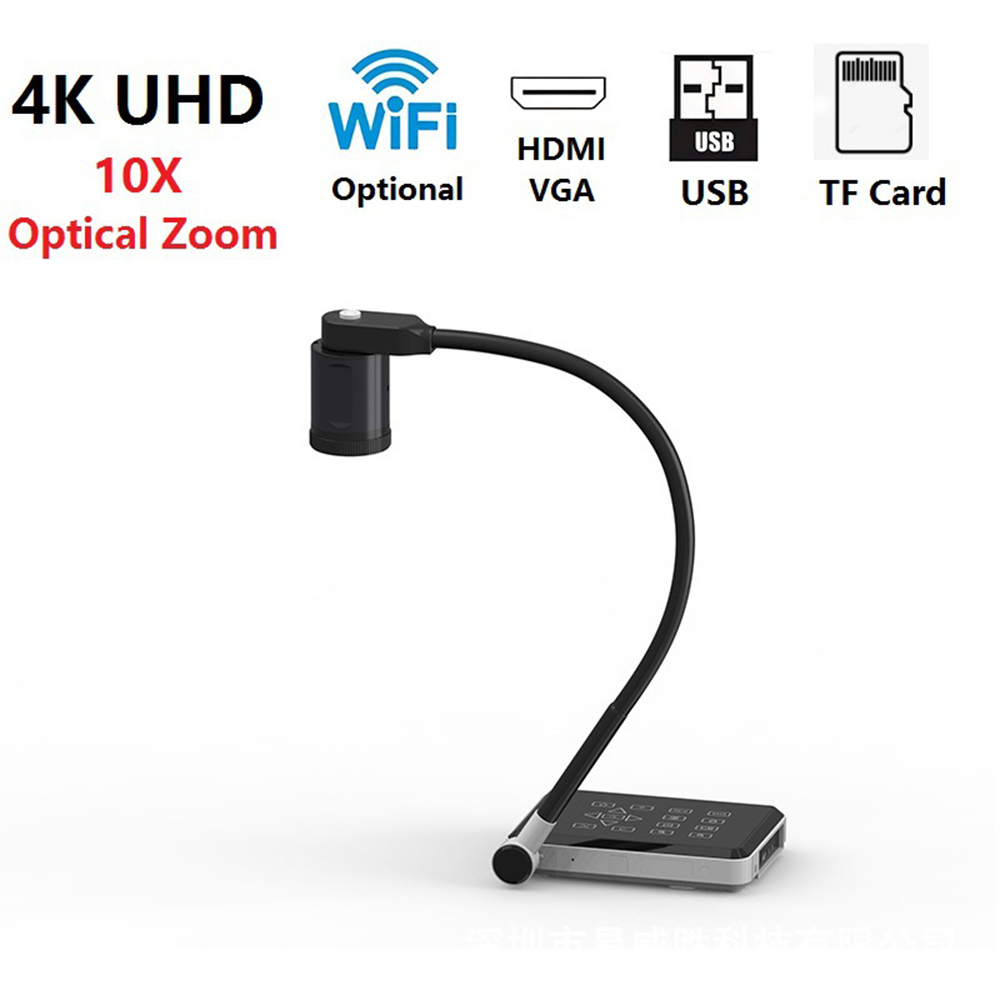
Visualized Handheld Hd Usb A4 Book Scanner A3 Automatic Management Document Camera Scanner
Useful at Fukuoka service counters and HR desks for document enrollment, form capture and exception handling when a controller is paired with an identity-record workflow.
View product
HD Camera Portable Visualizer Presenter Document Camera for Presentation Equipment Book Camera
A compact presenter for temporary enrollment desks, training rooms and branch offices where an overhead capture device must be stored between sessions.
View product
Wireless Robotic Frame Book Scanner Document Camera A3 A4 Size Management Document Scanner for Online Class
Built for high-volume page and book capture when identity files, contracts or supporting evidence must be digitized before access credentials are issued.
View product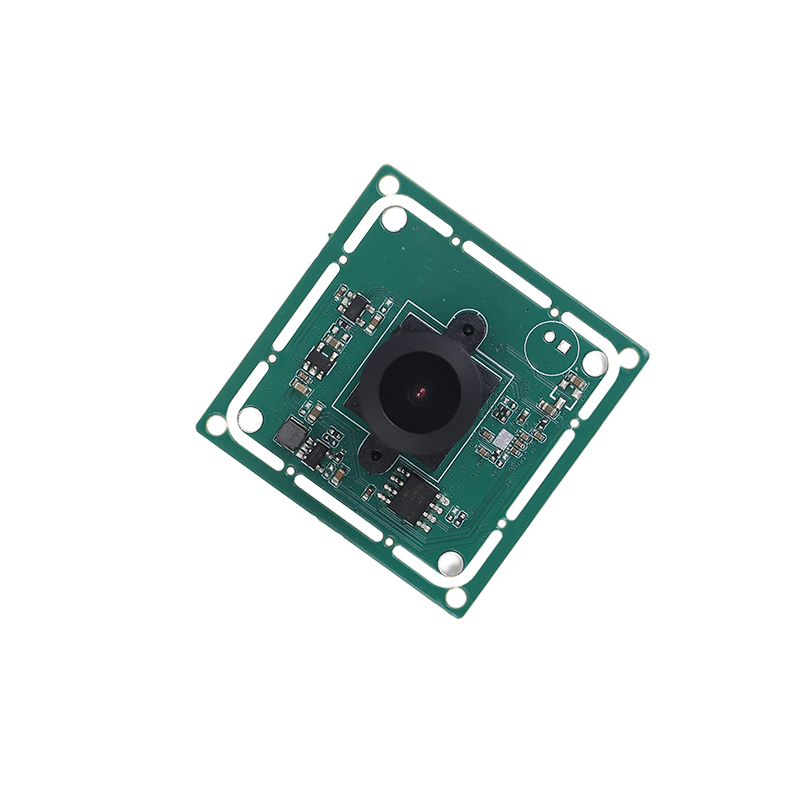
1080P 30FPS USB HD portrait shooting camera module with macro recognition, fixed focus, and optional auto focus
Relevant to face-capture module prototyping, kiosk vision and close-range identity checks; discuss lens, interface and liveness requirements before selection.
View product
CMOS sensor 1080P 30fps USB2.0 camera module monocular wide dynamic range camera module with ultra-low light performance
Suitable for pilots in lobbies, covered walkways and back-of-house doors with uneven light; wide dynamic range and low-light behavior should be validated on site.
View product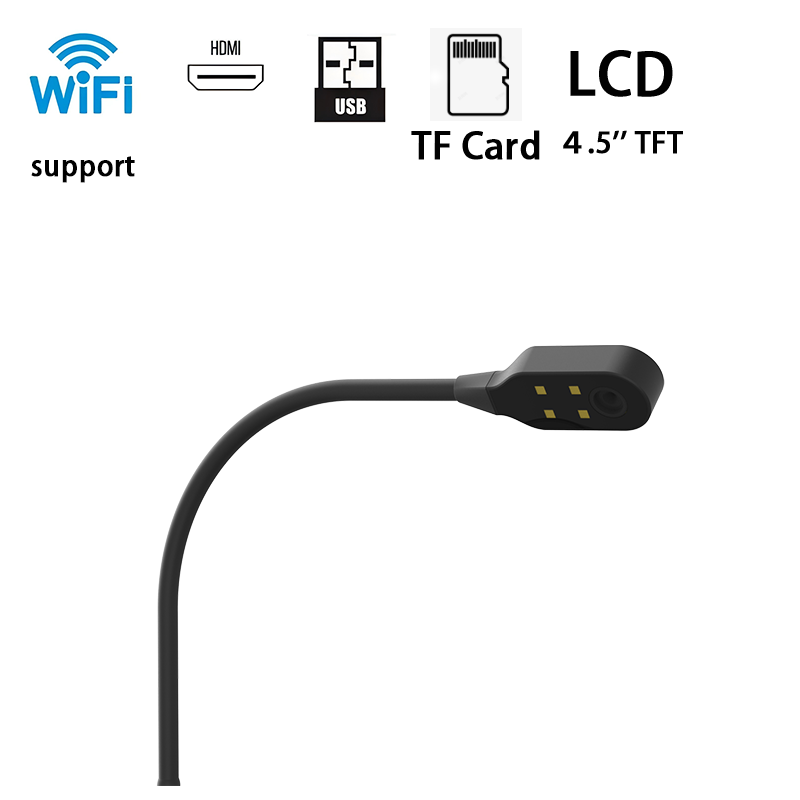
Support VGA WIFI Interface for Teacher Teaching Files, Camera and High Camera
Can support guard briefing, control-room training and visual verification workflows around access points, subject to the project’s display and network design.
View product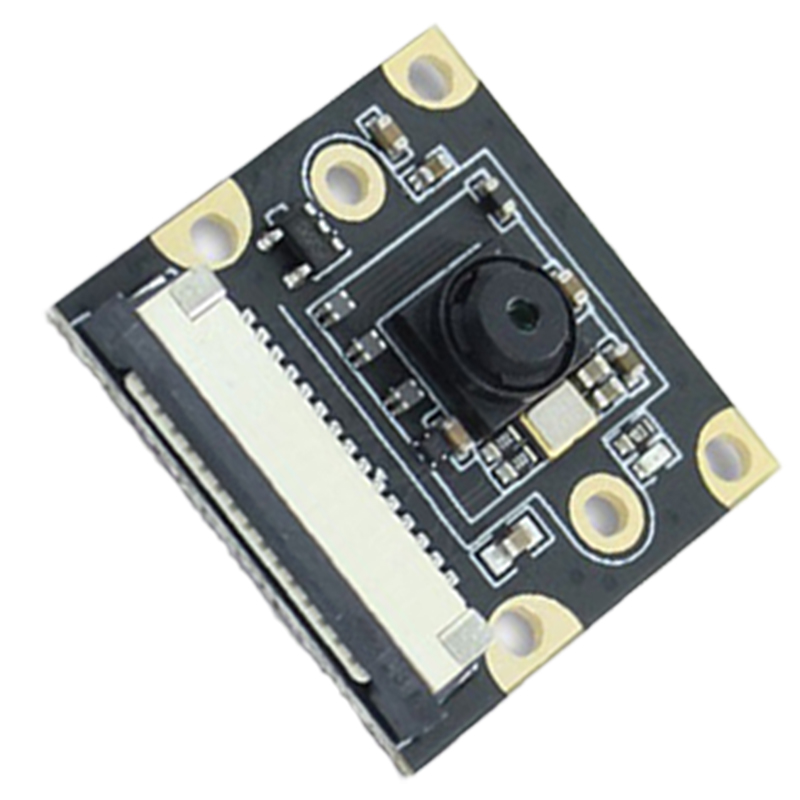
1080p/2K/4K camera module Nvidia development board sensor adjustable focal length webcam camera module
An edge-AI development option for teams tuning camera modules, liveness tests and compute boards before committing to a face recognition gate controller design.
View product
Document Camera Scanner 48MP Usb3.0 Autofocus A3 A4 Office Scanning and Classroom Visualizer
For high-resolution ID and supporting-document capture at busy counters, with capture speed and workflow software matched to the local process.
View productNeed a complete face recognition gate controller, relay board, turnstile interface or OEM camera module for a Fukuoka project? Send your specification and target certification list.
Send an InquiryWhy the Fukuoka Market Needs a More Rigorous Top 10 List
Fukuoka’s access-control demand is shaped by a compact but diverse economy. Hakata and Tenjin host multi-tenant offices, banks, clinics, retail floors and hospitality assets. Kitakyushu adds factories, logistics sites and industrial campuses. Fukuoka Airport, Hakata Port and the wider Kyushu expressway network make the region a practical entry point for wholesale distribution and system-integration projects. A face recognition gate controller that works in a quiet showroom can still fail at a busy lobby with glass-door backlight, seasonal humidity, high footfall and a mix of IC cards, QR codes, visitor passes and manual reception procedures.
The search phrase Top 10 face recognition gate controller for access control systems Manufacturers & Wholesalers in the Fukuoka market usually reflects commercial investigation, not casual browsing. The buyer may be a facility manager, security integrator, wholesaler, property developer or procurement agent preparing a tender. They need evidence: Japanese compliance files, interface documentation, liveness-test results, spare-parts planning, privacy controls and a realistic pilot path. A generic list of brand names is not enough. A useful shortlist must show why each supplier belongs in the top 10 for a specific entrance, building type and service model.
This white paper therefore treats the “top 10” as a due-diligence framework rather than an unverifiable popularity ranking. It gives you ten weighted criteria, localized Fukuoka applications, procurement FAQs and a transparent view of where Shenzhen Eshuni Technology Co., Ltd. fits as one factory-direct OEM/ODM supplier. The goal is information gain: practical selection logic that helps a buyer ask better questions before committing to samples, tooling or a rollout.
Inside a Face Recognition Gate Controller: Six Modules That Decide Project Success
A controller is not only a camera and a screen. Reliability depends on optical engineering, liveness logic, access-control interfaces, privacy controls and serviceability after installation.
Face-capture camera module
Sensor size, lens angle, wide dynamic range, low-light response and focus strategy determine whether a gate can recognize staff quickly in a bright lobby or a dim back corridor.
AI recognition and liveness board
Edge processing reduces network dependency and protects templates. Ask how anti-spoofing is tested, how recognition thresholds are tuned and how firmware updates are controlled.
Identity enrollment capture
Face recognition is often paired with ID cards, paper forms, passports or supporting documents. Document cameras and scanners can shorten enrollment and reduce manual rekeying.
Access-control interface
Relay outputs, Wiegand, OSDP, RS485, TCP/IP and REST APIs must match the turnstile, elevator controller or access software already used in the building.
Display and user feedback
Japanese and English prompts, clear error states and fast visual confirmation reduce friction at reception desks, staff entrances and visitor lanes.
Privacy and management software
Template encryption, retention periods, audit logs, role-based access and deletion workflows are as important as recognition accuracy in public-facing deployments.
Top 10 Shortlist Criteria for Face Recognition Gate Controller Manufacturers & Wholesalers in the Fukuoka Market
Use these ten criteria to compare manufacturers and wholesalers before you request samples. A supplier that can evidence all ten belongs in a serious Fukuoka shortlist; a supplier that cannot explain three or four should remain a backup option.
Face-capture engineering and liveness
Ask for lens, sensor, WDR, low-light and anti-spoof evidence. Glass doors and bright signage create backlight that a studio-only demo will not reveal.
Access-control interface proof
Relay outputs, Wiegand, OSDP, RS485, TCP/IP and REST API support must be documented against the existing turnstile or elevator control.
Japanese compliance file
Depending on SKU, buyers request PSE, Radio Law technical conformity, VCCI, RoHS and CE/FCC evidence. Compliance must be mapped model by model.
Japanese-language support
Installation guides, menu text, alarm messages and remote support should match the operating team. English-only documentation may be acceptable for OEM partners, but not always for end users.
OEM/ODM flexibility and IP ownership
Wholesalers need private label, packaging, firmware locks, API access and stable road maps. Clarify who owns industrial design, software and custom tooling.
Quality system and traceability
ISO9001 is a baseline, not a finish line. Ask for incoming inspection, burn-in, aging tests, firmware version control and batch traceability.
Spare parts and RMA pathway
Face controllers sit at entrances where downtime is visible. Confirm spare camera modules, boards, power supplies and replacement units before the first shipment.
Privacy-by-design and APPI readiness
Facial templates are personal information. Discuss purpose limitation, retention, encryption, audit logs, vendor access and deletion processes.
Wholesale stock and Fukuoka logistics
Compare FOB, EXW, DDP and local stock models. Predictable replenishment through Hakata Port, Fukuoka Airport or Kitakyushu Port can matter more than the lowest unit price.
Total cost and pilotability
Calculate hardware, installation, integration, training, support, power and replacement. A short pilot at one entrance is usually the cheapest way to expose hidden issues.
Where a Face Recognition Gate Controller Earns Its Value in Fukuoka
The same device may be sold across Japan, but the installation logic changes by site. Fukuoka projects should be specified around the actual entrance, user group and local operating procedure.
Hakata and Tenjin multi-tenant offices
Lobby turnstiles, visitor pre-registration and elevator zoning require fast identification and clean handoff to reception. Staff badges and face recognition are often combined rather than treated as alternatives.
Fukuoka City and Kitakyushu public counters
Public-service counters need identity verification, audit trails and clear privacy notices. Staff-only doors and document rooms may use biometric access while citizen-facing transactions remain documented and supervised.
Universities and vocational schools
Campuses in the Fukuoka region balance open access with exam-room, laboratory and dormitory security. Integration with student IDs, timetables and attendance systems matters as much as recognition speed.
Hospitals, clinics and pharmacies
Controlled storage, laboratories and staff-only corridors need quiet, hygienic access. Audit logs and role separation are important because privacy risk is higher when biometric data is linked to patient areas.
Kitakyushu factories and logistics sites
Contractor access, shift changes, dust, low light and wide vehicle areas demand durable hardware and clear fallback procedures. WDR camera modules and stable relays are often more valuable than decorative features.
Hotels, retail and tourism venues
Back-of-house doors, luggage rooms and staff entrances benefit from biometric access, but guest-facing use needs careful signage and opt-out routes. Fukuoka’s visitor economy makes service continuity a front-line concern.
Local Trends Reshaping Face Recognition Access Control
Fukuoka buyers are not only comparing hardware. They are comparing how a supplier will support contactless operations, privacy requirements and building-system integration over a multi-year lifecycle.
Contactless-first operations
Labor shortages and hygiene expectations continue to push offices, clinics and campuses toward touchless entry, with face recognition used as one factor alongside cards, QR codes and mobile credentials.
Edge AI and privacy engineering
Processing templates at the edge reduces data movement and latency. Buyers increasingly ask for retention limits, encrypted templates, audit logs and clear responsibilities under Japan’s APPI framework.
Open integration with building systems
Fukuoka integrators want controllers that speak to turnstiles, elevators, video management and access software. APIs, relay logic and documented protocols reduce project risk.
Lifecycle value over box price
Wholesale margins can disappear when spare parts, field replacement and firmware support are underestimated. Procurement teams are shifting toward total cost, pilotability and long-term supply continuity.
A Practical Weighting Model for a Fukuoka Top 10 Shortlist
The percentages below are an illustrative model for comparing suppliers when a project has multiple stakeholders. Adjust the weights for public tenders, tenant offices, hospitals or industrial sites.
Illustrative model, not a regulatory standard. A public-sector tender may raise compliance and privacy weight; a high-traffic office may raise integration and RMA weight.

Where Eshuni Fits a Fukuoka Access-Control Supply Chain
Shenzhen Eshuni Technology Co., Ltd. has manufactured information-collection and identity-verification hardware since 2012. The portfolio includes document cameras, visualizers, book scanners, identity-verification all-in-one machines, webcams, camera modules and the face recognition gate controller category referenced by this page. The in-house R&D team supports product design, project design and on-site project application — three levels of support that matter when a Fukuoka integrator needs a camera module tuned for one entrance or a private-label terminal for a local brand.
Production is managed with ERP-supported planning and supply-chain control. The company reports 14+ years of imaging R&D experience, a 3000+ m² factory floor, 100+ employees, own hardware and software intellectual property, and national patents. Quality management follows ISO9001, with products carrying CE, FCC, RoHS and China 3C depending on model. OEM/ODM, private-label and buyer-label production are available; common trade terms include FOB, EXW and DDP, with regular shipments to North America, South America, Western Europe, South Asia and Africa.
For Japanese buyers, Eshuni should be evaluated as a factory-side engineering partner, not a finished local brand. Radio Law, PSE, VCCI and APPI responsibilities must be mapped at SKU level with your importer, test lab and Fukuoka integration partner. Eshuni can provide technical documentation, samples, firmware baselines and customization support for pilot projects. To discuss a face recognition gate controller, access-control camera module or OEM hardware brief, use the inquiry button below.
What Fukuoka Buyers Ask Before Ordering
These are the practical questions that appear when a Fukuoka distributor, security integrator or facility owner moves from online research to samples, tenders and customs clearance.
Should a Fukuoka buyer source from a manufacturer or a local wholesaler?
A local wholesaler can offer faster stock, Japanese-language account support and easier small-volume purchasing. A factory-direct manufacturer can offer OEM customization, better visibility into firmware and hardware changes, and cost advantages at volume. Many Fukuoka projects work best with both: an overseas manufacturer for the technology platform and a local partner for installation, spares and first-line service.
Which certifications are usually requested for import into Japan?
Requirements depend on the product’s power supply, radio modules and intended use. Buyers commonly ask about PSE for applicable electrical products, Radio Law technical conformity for wireless functions, VCCI for electromagnetic compatibility, and RoHS for restricted substances. CE and FCC files are useful for OEM diligence but do not replace Japanese requirements. Confirm the exact SKU and configuration with your importer and test lab.
Can a controller integrate with existing turnstiles and access software?
Integration should be proven with documents, not assumed from a sales sheet. Ask for relay logic, Wiegand, OSDP, RS485, TCP/IP or API details relevant to your site. For a Fukuoka building already using a particular access-control platform, a small integration test at one gate is more valuable than a feature list that has never been connected to the local system.
How should we evaluate APPI and facial-recognition privacy?
Start with purpose limitation: why face data is collected, who can access it, how long it is retained and how it is deleted. Public-facing deployments usually need clear signage, a lawful basis under the organization’s compliance review, encrypted templates, audit logs and vendor processing terms. This article is not legal advice; confirm your APPI assessment with qualified counsel and your data-protection officer.
What does an OEM/ODM project require before quoting?
Provide the entrance environment, user volume, target recognition speed, required interfaces, network architecture, enclosure preference, language requirements, certification target and annual volume. If you need a private-label controller, include logo, packaging, firmware access and API expectations. A clear brief shortens sample selection and prevents late changes to tooling or compliance scope.
How can a Fukuoka wholesaler reduce lead-time and after-sales risk?
Plan a spare-parts kit before the first order, agree on an RMA process, lock a firmware baseline and keep a record of configuration changes. For larger rollouts, stage inventory for the busiest sites and keep a local integration partner available for first-line diagnosis. The lowest initial quote may not be the lowest lifecycle cost if replacement units take weeks to arrive.
From Shortlist to Fukuoka Pilot: Four Steps
A structured inquiry helps a manufacturer or wholesaler respond with the right model, documentation and test plan instead of a generic catalogue.
Send the application brief
Describe entrances, user count, lighting, network, turnstiles, card systems, target languages and whether the project is public, commercial or industrial.
Request a compliance matrix
Ask for PSE, Radio Law, VCCI, RoHS, CE/FCC and ISO9001 evidence by SKU. Separate product certificates from privacy and APPI operating documents.
Validate with a sample
Test backlight, low light, masks, glasses, humidity, recognition speed, relay behavior and recovery after network interruption. Document pass/fail criteria.
Plan rollout and spares
Agree firmware baseline, installation checklist, training, RMA route, spare-parts kit and local support responsibilities before scaling to all sites.
Ready to compare a factory-direct face recognition gate controller platform with your Fukuoka project requirements? Share your entrance plan, interfaces and target market.
Send an InquiryBuild a More Defensible Fukuoka Access-Control Shortlist
Whether you need a complete face recognition gate controller, a camera module for edge-AI development, identity-enrollment hardware or private-label OEM support, start with a clear technical and compliance brief. Eshuni’s engineering team can respond with model recommendations, documentation requests and a pilot plan for the Fukuoka market.