Why Overhead Scanner Hardware Still Matters in Berlin Procurement
Berlin is a procurement market where reliability, documentation quality, data protection awareness and total cost of ownership matter as much as unit price. This white-paper style guide is written for buyers who need a China overhead scanner supplier that can support public-sector, education, legal, financial and private-label projects with clear specifications and export-ready service.
Berlin’s institutions are digitizing paper-intensive workflows while preserving in-person teaching, public counters, legal file review, insurance case handling and identity verification. An overhead document camera is not merely a camera on a stand; it is a capture station that affects lesson clarity, case-file accuracy, counter throughput and compliance documentation. In Berlin schools and Hochschulen, teachers use visualizers to show experiments, textbooks, maps, technical drawings and handwritten work on interactive displays or video-conference platforms. In public administration and regulated service environments, document cameras and dual-camera scanners support structured capture of forms, passports, identity cards and supporting documents. In Kanzleien and tax practices, A3/A4 book scanners reduce handling of bound files and improve digital case records.
For buyers comparing China-based suppliers, the strongest competitive advantage is not a longer feature list; it is information gain. Ask for the exact sensor, capture area, frame rate, focus method, interface, power requirement, mounting method, software environment, certification file and spare-parts plan. Ask how the device behaves under mixed lighting, on a lecture desk, at a Bürgeramt counter or in a narrow Berlin office. Ask whether the visualizer works as a USB plug-and-play device, as a 5.8GHz wireless presenter, or as a dual-mode unit. The recommendations below preserve the original product images and product URLs from the Eshuni product range, allowing Berlin buyers to move from evaluation to an RFQ without losing specification context.
8 Recommended Overhead Scanner & Imaging Products for Berlin Buyers
Each card is a practical starting point for Berlin tenders, classroom deployments, public counters, legal digitization, integrated vision projects and private-label product ranges. Images are displayed in full with contained fitting so that industrial design and form factor remain visible.

China Document Camera A3 Portable Wireless 13MP Visualizer Document Camera
- 13MP
- A3 capture
- Wireless
- Portable
Recommended when Berlin teachers need to show full A3 worksheets, maps, engineering drawings, textbooks and fine print without losing legibility after digital zoom. The portable wireless format suits shared lecture rooms and mobile training teams.
View product details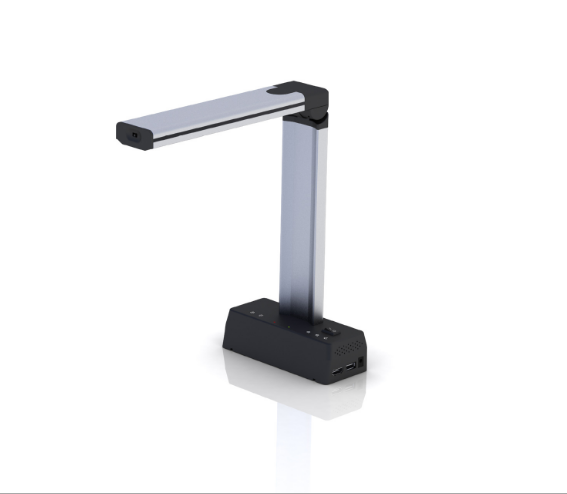
WIFI document camera visualizer wireless 5.8G WIFI OEM ODM Document scanner for education or office
- 5.8GHz
- WiFi
- OEM/ODM
- Visualizer
A strong fit for Berlin classrooms and meeting spaces where 2.4GHz congestion affects screen mirroring. Buyers can discuss OEM/ODM branding, packaging and interface requirements for German-speaking education channels.
View product details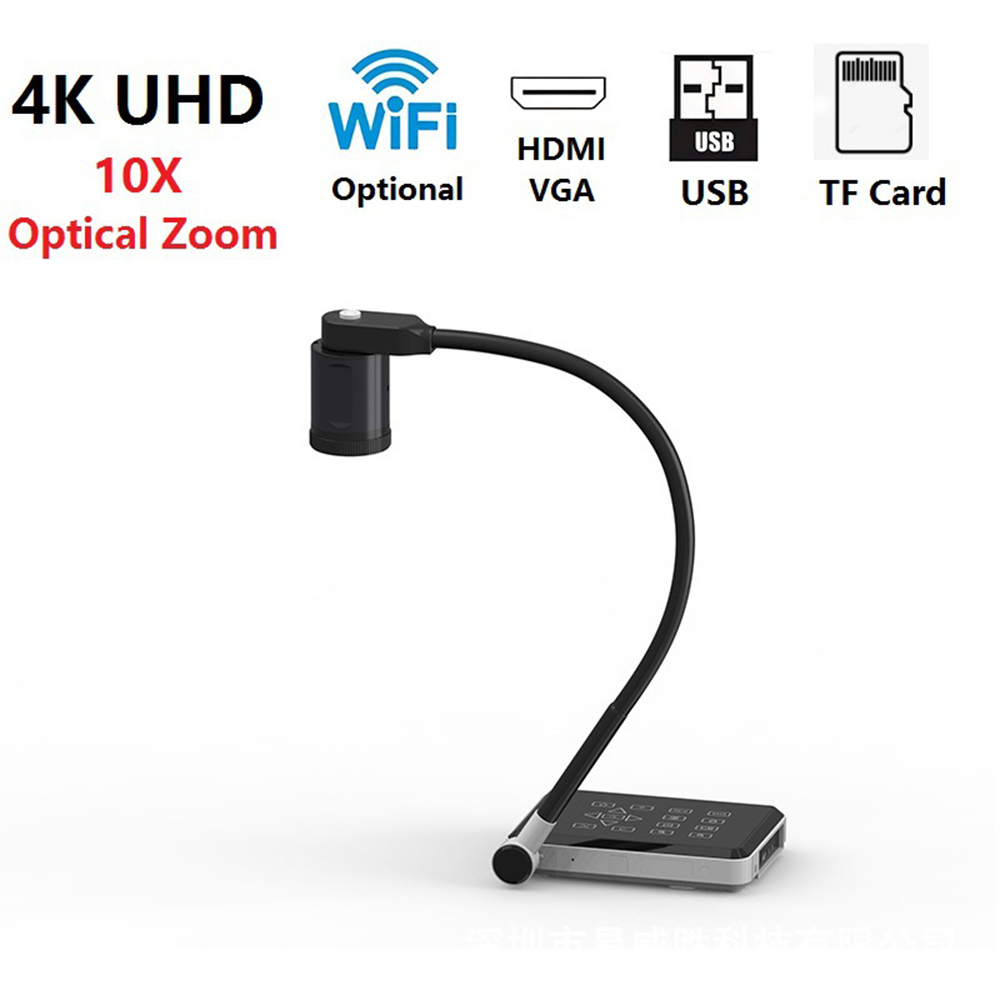
Visualized Handheld Hd Usb A4 Book Scanner A3 Automatic Management Document Camera Scanner
- USB
- HD
- A4/A3
- Book capture
Designed for fixed desks and counters. Useful for Berlin Kanzleien, Steuerberater, insurance teams and district offices that need fast capture of bound documents, invoices, forms and case files with a familiar USB workflow.
View product details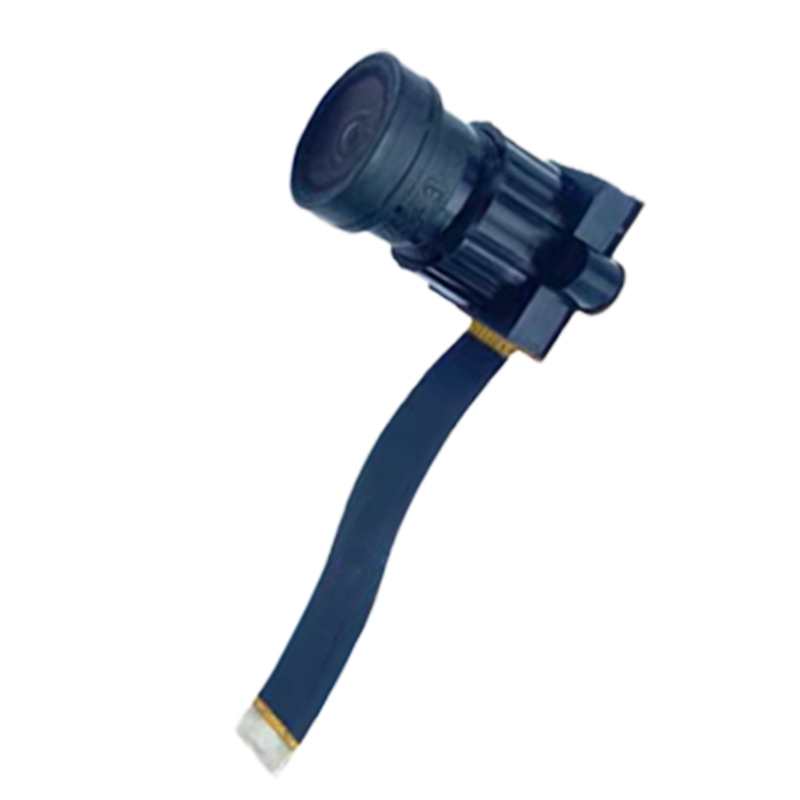
Professional manufacturer's CMOS sensor MIPI camera module 1080P 2K 4K drone wireless video transmission camera module
- MIPI
- 1080P/2K/4K
- CMOS
- Custom
For Berlin system integrators, robotics teams, drone developers and kiosk designers who need a compact camera module rather than a finished visualizer. Specifications should be confirmed against the target host platform and transmission environment.
View product details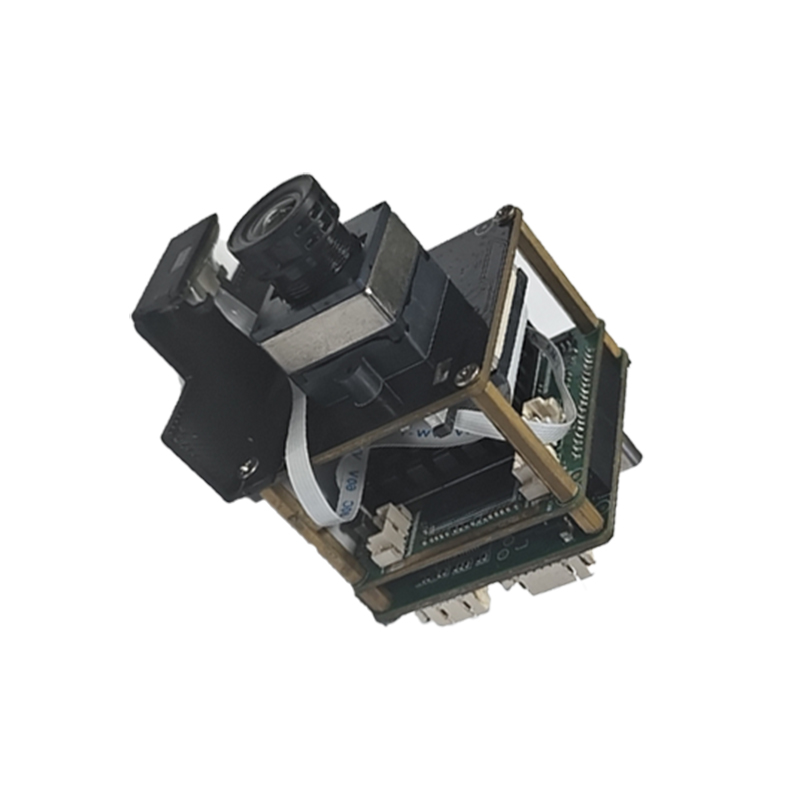
Factory customized HD live streaming conference/teaching 4K camera module compatible with multiple systems
- 4K
- Live streaming
- Conference
- Teaching
Suited to Berlin conference rooms, hybrid teaching studios and content-production spaces where multiple operating systems and video pipelines must be accommodated. OEM customization can address housing, cable routing and integration requirements.
View product details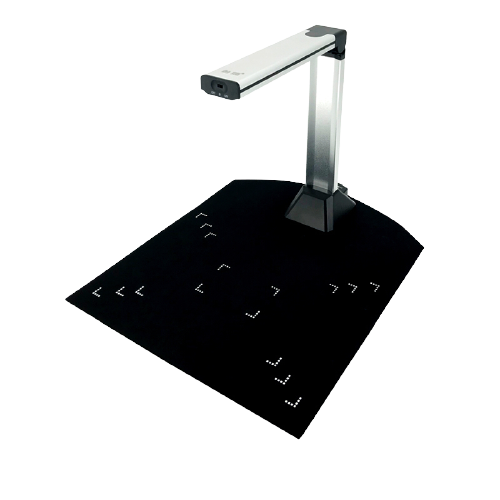
Portable OEM 8MP document camera Visual presenter for education equipment camera scanner
- 8MP
- OEM
- Portable
- Education
An efficient choice for Berlin schools that need a practical balance between image detail and budget. The 8MP sensor is normally sufficient for A4 textbooks, live demonstrations, paperwork and remote lesson sharing when fine A3 archival detail is not the primary requirement.
View product details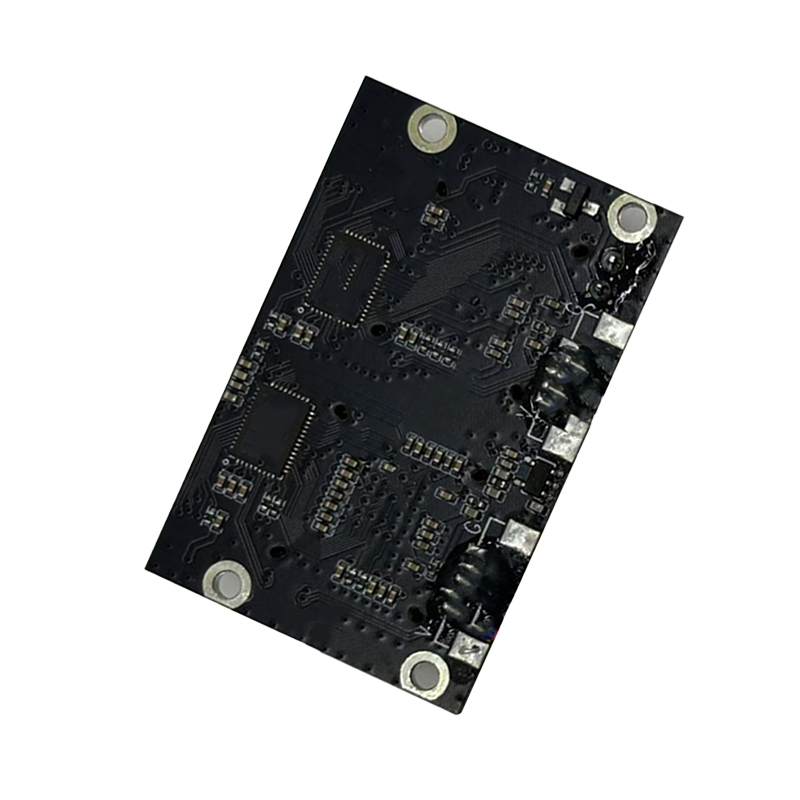
Newly upgraded dual 1080P finger vein palm print recognition facial recognition camera module CMOS sensor
- Dual 1080P
- Face/palm/vein
- CMOS
- OEM
For access-control, kiosk and identity-verification projects. Berlin buyers should treat biometric hardware as a high-governance category and confirm GDPR roles, data minimization, storage location and EU AI Act readiness before pilot deployment.
View product details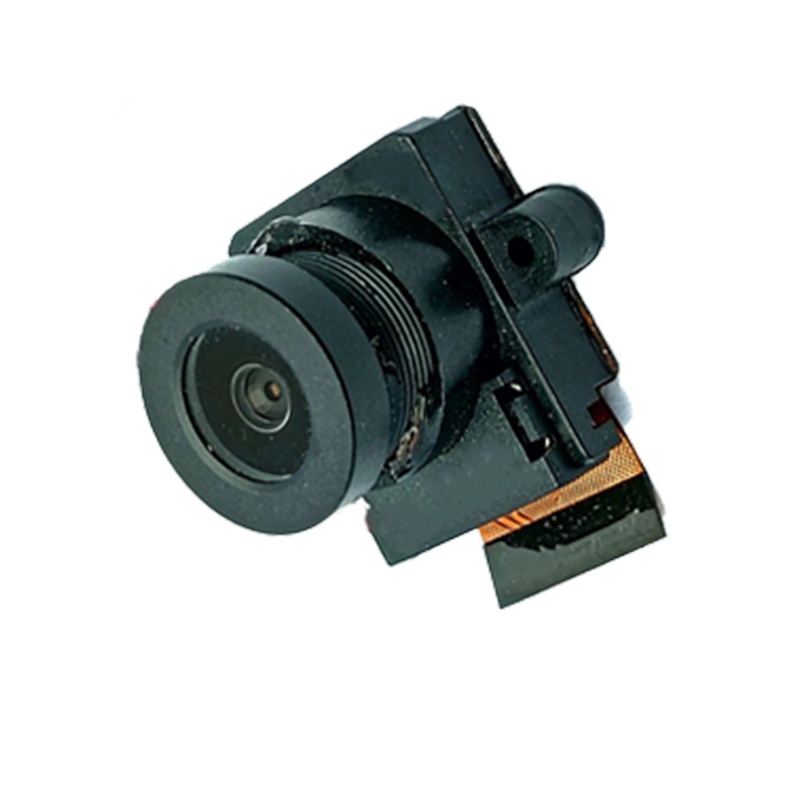
Factory hot-selling 1080p CMOS sensor body camera with HD video/audio recording and night vision
- 1080P
- Night vision
- Video/audio
- Body camera
Appropriate for field inspection, security and documentation workflows where hands-free recording is required. Berlin organizations should define consent, signage, retention and access rules before deploying body-worn recording in public-facing environments.
View product detailsOverhead Scanner Use Cases Across Berlin
The same product category behaves differently in a classroom, a district office and a legal practice. Berlin buyers should specify by workflow, not by headline megapixels alone.
Berlin schools and Hochschulen
Visualizers support STEM experiments, art portfolios, language exercises, maps and handwritten problem solving for in-room and hybrid teaching. A3 capture is valuable for science diagrams and project work; 8MP models suit routine A4 sharing.
Public administration counters
Bezirksämter, Bürgeramt service points and public-service counters can use overhead scanners or dual-camera units to capture forms, ID documents and supporting evidence. Fixed USB models reduce training load and simplify desk-level deployment.
Legal, tax and insurance teams
Kanzleien, Steuerberater and insurers handle bound files, contracts, claim photos and signed forms. A3/A4 book scanners reduce page handling and help create legible digital case records while keeping the review desk uncluttered.
SMEs, integrators and studios
Berlin SMEs, creative studios, robotics developers and system integrators can combine visualizers with camera modules for inspection, prototyping, remote support and live production. Custom module and OEM options help align hardware with branded products.
Berlin Market Trends Shaping Overhead Scanner Procurement
Berlin procurement teams are increasingly connecting device selection to digital-government goals, hybrid teaching quality, data-protection review and resilient supply chains.
Digital administration and OZG priorities
Berlin’s public administration continues to modernize service delivery under e-government and Onlinezugangsgesetz priorities. Overhead scanners and dual-camera document capture devices are therefore evaluated for workflow fit, software compatibility and auditability, not only image resolution.
Hybrid learning remains mainstream
Schools and universities increasingly combine classroom teaching with remote participation. Teachers need visualizers that are fast to set up, do not require specialist IT support and work with common interactive displays, USB conference systems and video platforms.
GDPR and EU AI Act awareness
Berlin buyers are more cautious about cameras that send content to the cloud or include biometric processing. For ordinary document capture, USB and local-display models simplify data minimization. For face, palm or vein recognition, buyers should complete a DPIA and confirm AI Act responsibilities before deployment.
Wireless flexibility versus IT control
5.8GHz wireless models can give teachers and trainers more movement, while wired USB models are easier for IT teams to secure and manage. Dual-mode products are increasingly attractive because one hardware platform can serve multiple rooms and procurement standards.
How to Specify an Overhead Scanner for Berlin Projects
Use this comparison framework in your RFQ to avoid over-specifying one attribute while underpricing installation, training, compliance review or spare-parts planning.
Resolution and capture area
- Choose 8MP for routine A4 teaching, forms and live demonstrations.
- Choose 13MP when A3 sheets, fine print, maps or archival detail must remain legible.
- Confirm the actual capture area after mounting, not only the nominal A3/A4 label.
- Test document curvature, glare and mixed lighting for bound books.
USB versus 5.8GHz wireless
- USB is ideal for fixed counters, Kanzleien and classrooms with permanent computers.
- 5.8GHz wireless supports mobile teaching and flexible room layouts.
- 5.8GHz is often less congested than 2.4GHz in busy Berlin buildings.
- Ask for dual-mode options when procurement must serve multiple use cases.
Document type and workflow
- Books and files require stable focus, good depth of field and glare control.
- Counters may need dual-camera capture of the document and the applicant.
- Field teams may need body-worn recording with clear retention policies.
- Embedded projects may require MIPI modules, FPC design or custom firmware.
Compliance and total cost
- Request CE, RoHS, FCC and ISO 9001 documentation appropriate to the SKU.
- Confirm EU plug, packaging, German-language quick-start options and labeling.
- Clarify FOB, EXW or DDP terms, warranty terms and spare-parts plan.
- Include training, installation, GDPR review and support time in the TCO model.
Why Eshuni Is a Practical China Partner for Berlin Buyers
Shenzhen Eshuni Technology Co., Ltd. has manufactured information-capture and identity-verification hardware since 2012. Its stated capabilities combine in-house R&D, OEM/ODM service, certified production and export experience across major regions.
Eshuni’s product portfolio includes high-speed document scanners, video booths, book scanners, identity-verification terminals, webcams, document cameras and camera modules. The factory operates an ISO 9001 quality management system, and product options can carry CE, FCC, RoHS and China 3C certifications. Core hardware and software are developed in-house and protected by national patents, with ERP-driven production and supply-chain management supporting consistent quality and shorter lead times. For Berlin buyers, this means a supplier conversation can move beyond a single product photo into sensor choice, mounting, firmware behavior, packaging, labeling, private-label design and project-level technical support.
The company supports three practical levels of technical support: product design, project design and on-site project application. OEM manufacturing, product design services and buyer-label production are available for distributors, tender suppliers and brand owners. Trade terms include FOB, EXW and DDP, and regular shipments serve North America, South America, Western Europe, South Asia and Africa. Berlin-specific RFQs should clearly state the intended environment, required certifications, language needs, delivery terms and whether the device will be used for ordinary document capture or for higher-governance biometric workflows.
In-house R&D since 2012
Long-term focus on document cameras, visualizers, scanners and camera modules supports faster customization and more practical engineering feedback.
OEM / ODM and private label
Branding, packaging, firmware and hardware adaptation can be discussed for Berlin distributors, education suppliers and system integrators.
Certified quality system
ISO 9001 production management and CE, FCC, RoHS and 3C certified product options help support European procurement documentation.
Export-ready cooperation
FOB, EXW and DDP terms, documented trade history and support for multiple export regions make the supplier suitable for Berlin project procurement.
Common Questions from Berlin Overhead Scanner Buyers
These answers reflect the supplier information provided in the original company content and practical procurement considerations for the Berlin market.
Which overhead scanner is best for Berlin schools and universities?
For routine A4 teaching, an 8MP portable visualizer is often sufficient. For A3 worksheets, fine print, maps and shared lecture rooms, a 13MP A3 wireless document camera gives more headroom. Schools should also confirm USB plug-and-play behavior, display compatibility and whether teachers need wireless freedom.
Can Eshuni support DDP delivery to Berlin?
Yes. The company states that it accepts FOB, EXW and DDP delivery terms and ships regularly to Western Europe. For Berlin projects, confirm the final delivery address, EU power plug, packaging marks, importer of record, customs documentation and whether DDP includes the exact destination or only a regional hub.
Are CE, RoHS, FCC and ISO 9001 documents available?
The factory operates an ISO 9001 quality management system, and products can carry CE, FCC, RoHS and China 3C certifications. Buyers should request the certificate file matching the exact SKU, model number and voltage variant, because certification documentation must align with the product actually delivered.
Should Berlin buyers choose USB or 5.8GHz wireless visualizers?
Choose USB for fixed counters, permanent classrooms and IT-controlled environments where plug-and-play simplicity matters. Choose 5.8GHz wireless when teachers or trainers need to move around the room. In busy Berlin buildings, 5.8GHz can be less congested than 2.4GHz, but a dual-mode model is often safer for mixed estates.
Can we request OEM, private label or German-language packaging?
OEM manufacturing, product design and buyer-label production are part of the company’s stated service scope. German-language quick-start guides, packaging text, label content and firmware interface preferences should be specified during the RFQ. Buyers should approve final artwork and translation before mass production.
How should we evaluate biometric camera modules for Berlin projects?
Biometric modules should be treated as a high-governance procurement category. Before choosing face, palm or vein recognition hardware, confirm the GDPR role of each party, data minimization, storage location, retention period, consent or legal basis, and EU AI Act responsibilities. A limited pilot with documented review is safer than a broad rollout.
Request a Berlin-Specific Overhead Scanner Quotation
Share your application, required capture area, resolution target, USB or wireless preference, certification needs, estimated volume and delivery term. Eshuni’s team can recommend a suitable document camera, visualizer, book scanner or camera module and discuss OEM/ODM options for Berlin schools, public administration, legal teams, integrators and private-label buyers.
Inquire NowFor faster quotation, include the exact model, quantity, destination city in Germany, required certificate files and whether the device will be used for document capture, teaching, identity verification or embedded vision.