Top Trusted High Speed Book Scanner Manufacturers & Wholesaler Serving the Chiang Mai Market
High-speed overhead book scanners, document cameras, visualizers and OEM imaging hardware for Chiang Mai schools, universities, government counters, hospitals, archives and AV integrators — backed by ISO9001 manufacturing and flexible FOB, EXW or DDP supply.
8 High-Speed Book Scanners & Visualizers for Chiang Mai Buyers
These eight factory-direct models cover classroom demonstration, A3 book capture, office digitization, wireless teaching, government document intake and custom camera-module projects. Product links and image assets are retained exactly for buyer reference.
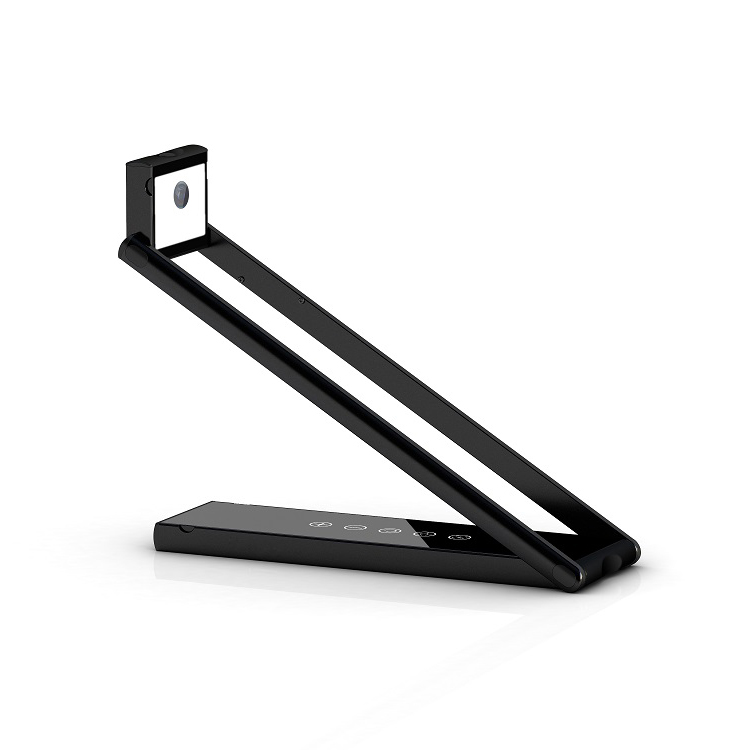
Education Equipment Visual Presenter Document Camera Scanner Scanning A3 Book and Paper
A practical A3-capable overhead visualizer for schools that need to show open textbooks, worksheets and bound pages without cutting or flattening them.
- A3 capture
- Live teaching
- Book & paper

Wireless Robotic Frame Book Scanner Document Camera A3 A4 Size Management Document Scanner for Online Class
Robotic frame architecture supports repeatable A3/A4 capture for online classes and central filing desks where operators need a stable overhead view.
- Wireless
- A3/A4
- Online class

Visual Presenter HD Camera 8MP 13MP auto focus Document Camera Scanner online educational equipment book camera
Choose 8MP for A4 textbooks and routine demonstrations, or 13MP for A3 fine print, engineering diagrams and archival copies that must remain legible after zooming.
- 8MP / 13MP
- Auto focus
- Education

OEM USB 5MP 8MP 13MP Document Camera Visualizer for Education Camera Scanner or Office Document Scanner
A flexible USB platform for importers building a tiered education and office range, from entry 5MP visualizers to 13MP document capture units.
- OEM support
- USB
- 5/8/13MP
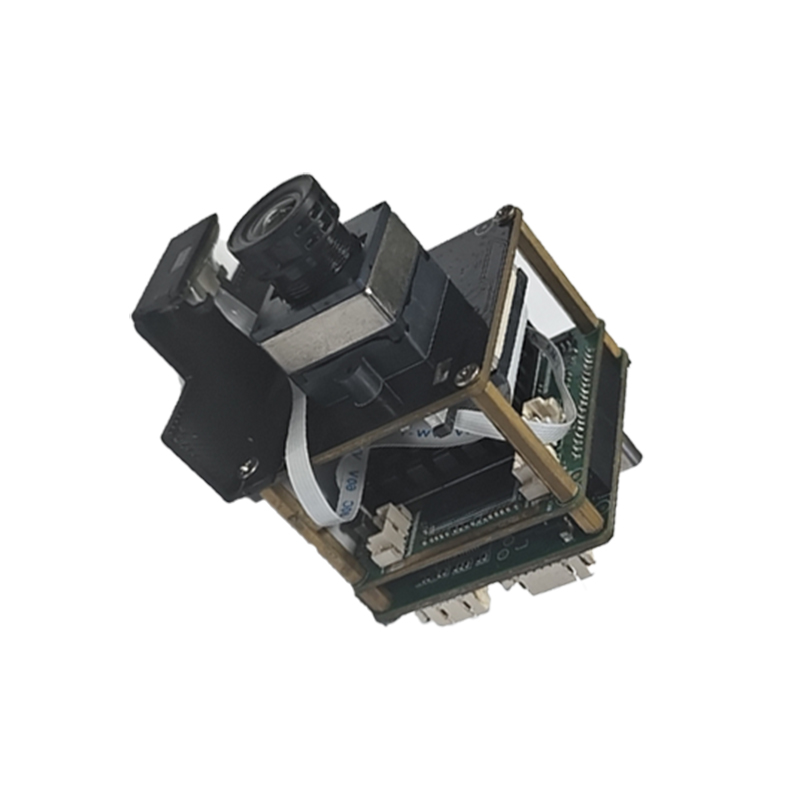
Factory customized HD live streaming conference/teaching 4K camera module compatible with multiple systems
For integrators adding 4K video to smart classrooms, conference rooms and telemedicine carts, with custom housing, firmware and interface planning options.
- 4K
- Camera module
- Custom
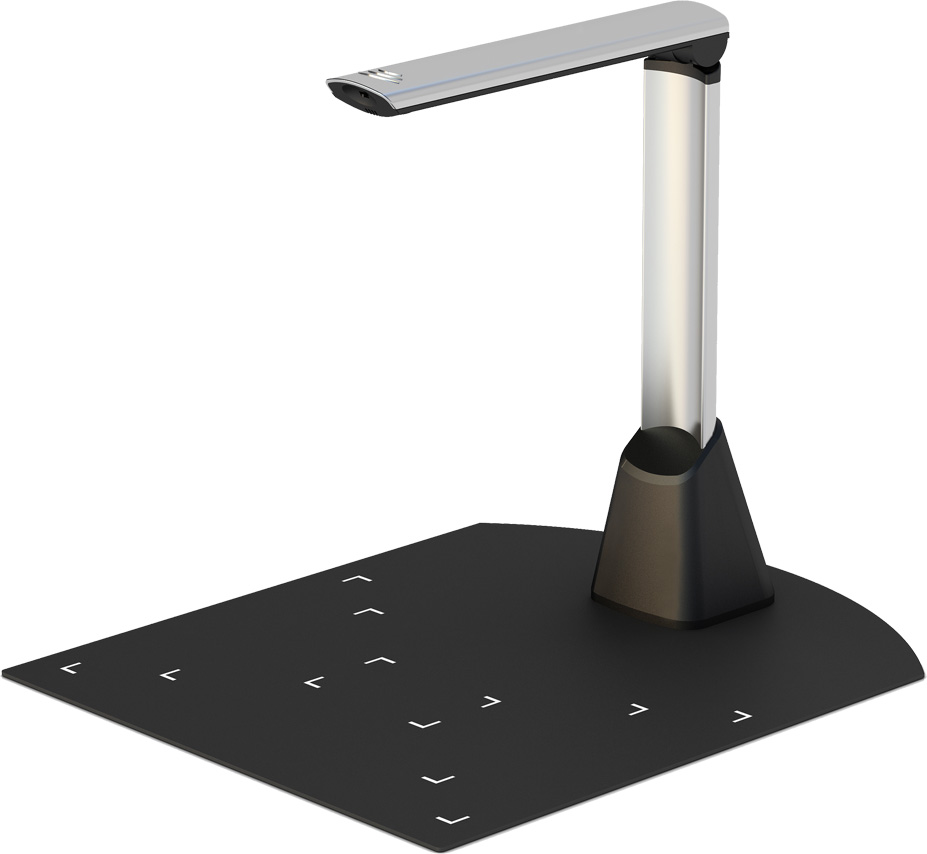
USB OEM A4 Fixed Focus Portable Desktop Document Scanner 13MP for Office Document Scanning
Fixed-focus, portable A4 scanning for front desks, insurance agents and back-office digitization where simple USB deployment and clear output matter.
- A4
- 13MP
- Office
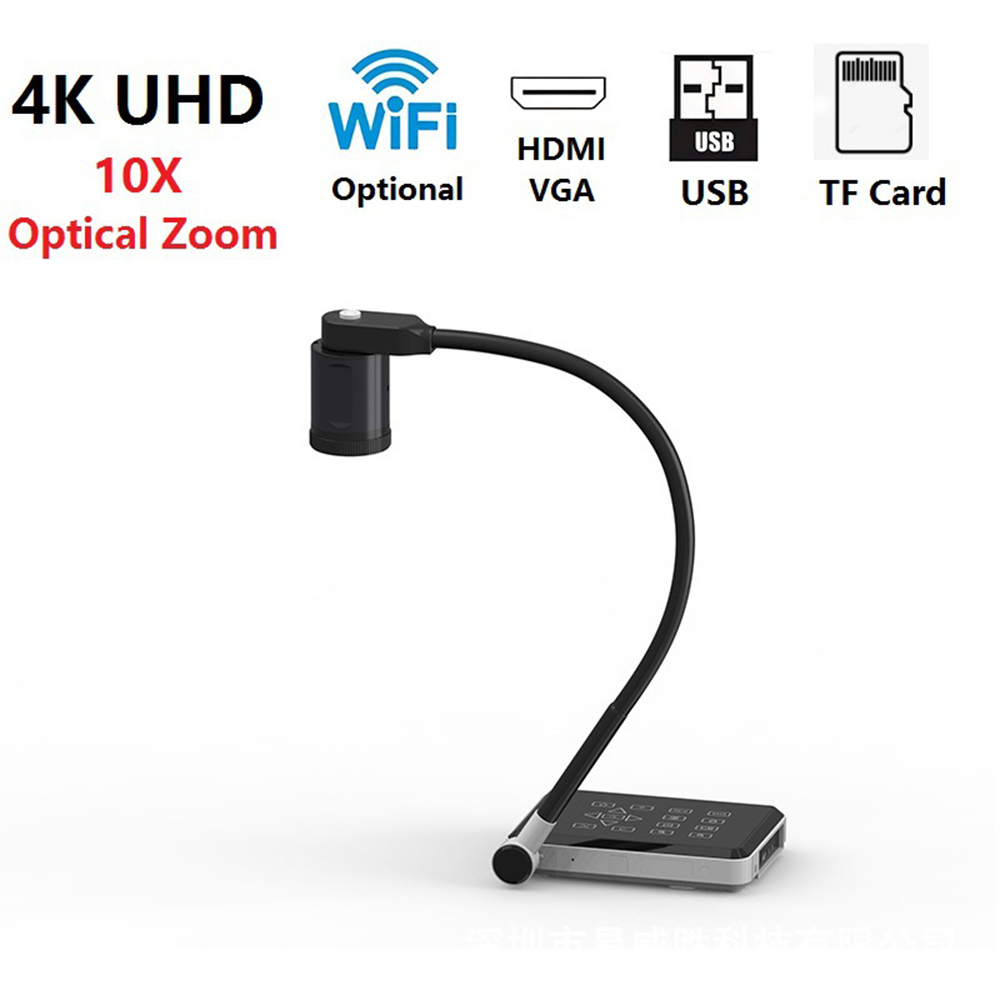
Visualized Handheld Hd Usb A4 Book Scanner A3 Automatic Management Document Camera Scanner
Handheld/overhead design for mobile capture in libraries, field offices and service units; USB connection and A3/A4 coverage support quick document intake.
- Handheld
- A3/A4
- USB

OEM Document Camera A3 Portable Wireless 13mp Visualizer Document Camera
Portable wireless 13MP A3 visualizer for multi-room teaching, temporary classrooms and remote demonstrations where device sharing is essential.
- 13MP
- A3
- Wireless
Need a different sensor, lens, housing, firmware or Thai/English packaging for a Chiang Mai tender or private-label range?
Send an InquiryWhy High-Speed Book Scanning Is Becoming Core Infrastructure in Chiang Mai
Chiang Mai is not a generic retail market. Its demand is shaped by universities, international schools, public administration, private hospitals, tourism operators and Lanna cultural archives. Each workflow needs a different capture station — not simply a higher-megapixel camera.
Chiang Mai combines a large student population, northern administrative agencies, private healthcare groups, hospitality businesses and cultural institutions holding fragile bound materials. These environments rarely share one scanning workflow. A university lecturer needs a live A3 visualizer that can show an open book to a projector or online class. A district office needs a fixed overhead scanner with clear audit files. A hospital registration desk may need dual-camera identity capture. A museum needs non-contact book capture that avoids flattening fragile paper.
That is why repeatable overhead capture matters more than consumer photo resolution. A reliable book scanner for Chiang Mai should combine stable illumination, auto-focus, image rotation, PDF export and a form factor that survives daily use. The right model depends on book size, binding type, daily volume, operator skill and what happens after capture. A 13MP sensor is not automatically better for every desk; if output is only projected at 1080p, 8MP can be sufficient. If the file must be archived or passed to OCR, 13MP and A3 coverage reduce re-scans.
Procurement also has a local dimension. Importers compare FOB Shenzhen or EXW factory terms with landed cost through Laem Chabang or air freight to Chiang Mai International Airport. They ask for 220V-compatible power supplies, spare parts, English/Thai quick-start guides and firmware that works with existing classroom software. For tenders, the specification should separate mandatory image performance from nice-to-have features so evaluation remains fair.
Chiang Mai Buyer Brief at a Glance
- Education: A3 capture, auto-focus, USB or 5.8G wireless, low-latency live video.
- Government: dual-camera ID plus document intake, clear file naming, audit-ready output.
- Healthcare: fixed-focus quick capture, cleanable housing, simple operator control.
- Archives: no-cut book capture, diffuse lighting, 13MP detail and stable copy stand.
- Integrators: UVC/USB compatibility, SDK discussion, OEM housing and long-life supply.
- Import terms: confirm Incoterm, Thai VAT/duty responsibility, spare-parts plan and warranty scope.
Where Book Scanners and Visualizers Work Every Day in Chiang Mai
Localized deployment is not about translating a brochure. It is about matching the device to room lighting, operator habits, document binding and the software already used by the institution.
Universities, Colleges and Research Libraries
Live demonstration of textbooks, thesis drafts, maps and engineering drawings; overhead capture reduces book damage and supports hybrid lecture rooms.
International and Bilingual Schools
Visualizers help teachers show phonics cards, science experiments, maps and student work; portable units can be shared between classrooms and temporary teaching spaces.
Government and District Service Counters
Scan ID cards, house documents, land papers and case files at public-service windows; dual-camera layouts can capture the applicant and the document together.
Hospitals, Clinics and Insurance Desks
Capture registration forms, lab reports, referral letters and insurance claims quickly; fixed-focus overhead models reduce operator steps at busy counters.
Lanna Archives, Museums and Temples
Non-contact book capture helps preserve fragile manuscripts and research materials; use diffuse light, stable framing and high-resolution output for catalog records.
Hotels, Tour Operators and Retail Groups
Scan passports, contracts, invoices and supplier documents at branch level; USB models keep deployment simple for staff with limited IT support.
Match the Right Scanner to the Chiang Mai Use Case
A practical comparison for buyers preparing a quotation, tender specification or private-label product range.
| Chiang Mai Use Case | Recommended Configuration | Why It Wins | Buyer Note |
|---|---|---|---|
| Daily classroom demonstrations | 8MP auto-focus USB visualizer | Plug-and-play capture for A4 textbooks and live projection | Check latency with the school’s existing display software |
| Large lecture halls and online classes | 13MP A3 wireless visualizer | More detail for full-page A3 sheets and distant viewers | Test 5.8G wireless stability in dense campus networks |
| Library and archive book digitization | A3 overhead book scanner | No-cut capture with a comfortable working distance | Use diffuse lighting and a copy stand for fragile bindings |
| Government service counters | Dual-purpose document camera or 13MP A4 desktop scanner | Clear ID and document records with simple operator workflow | Define file naming, retention and privacy rules before rollout |
| Branch office digitization | A4 fixed-focus portable scanner | Simple USB deployment and compact desk footprint | Confirm the local PC operating system and PDF export settings |
| System integrator / OEM project | 4K camera module or 5MP–13MP USB platform | Custom housing, firmware and product-line planning | Share target interface, enclosure size and certification scope early |
Tip: for tender documents, specify the document size, daily scan volume, required output format and integration environment — not only the sensor megapixel count.
Three Procurement Shifts Reshaping Chiang Mai’s Imaging Market
These trends matter for distributors, tender writers and institutional buyers planning 2026 budgets.
From One Projector to Hybrid Capture Rooms
Schools are upgrading from single-purpose projectors to hybrid rooms that need document cameras, webcams and live streaming modules. Buyers increasingly request A3 coverage and low-latency video in one device, with stable wireless options for rooms where cabling is difficult.
Digital Government and Paperless Healthcare
Public-service counters and private hospitals want faster document intake without changing the whole software stack. The winning specification therefore emphasizes UVC compatibility, clear image output and simple operator control rather than unnecessary hardware complexity.
OEM Consolidation and Private-Label Demand
Local distributors want one manufacturing partner for book scanners, webcams and camera modules. They ask for buyer-label packaging, English/Thai manuals, spare parts and predictable supply. This is where a factory with in-house R&D, ISO9001 production and ERP-driven supply-chain control becomes more valuable than a trading intermediary.
Why Eshuni Is a Trusted Manufacturing Partner for Chiang Mai Importers
Shenzhen Eshuni Technology Co., Ltd. is a manufacturer and solution provider for information collection and identity verification. Since 2012, we have built document cameras, book scanners, visualizers, webcams, ID scanners, identity verification terminals and camera modules for education, finance, insurance, telecommunications, government and enterprise buyers.

Our factory operates an ISO9001 quality management system, and our products carry CE, FCC, RoHS and China 3C certifications. Core hardware and software are developed in-house and protected by national patents. ERP-driven production and supply-chain management help keep quality consistent, spare-parts planning practical and lead times predictable for repeat importers.
For Chiang Mai buyers, Eshuni supports three levels of technical service: product design, project design and on-site project application support. We offer OEM manufacturing, ODM development and buyer-label production, so a distributor can build a local range without starting from a blank sheet. We accept FOB, EXW and DDP terms and regularly ship to North America, South America, Western Europe, South Asia and Africa.
In-House R&D and Own IP
Hardware, firmware and application engineering are handled by our own team, reducing integration risk for custom scanner projects.
Certified Quality System
ISO9001 manufacturing with CE, FCC, RoHS and 3C product compliance supports tender submissions and importer due diligence.
OEM / ODM / Private Label
Custom housing, packaging, logo, firmware planning and buyer-label production for distributors and project contractors.
ERP-Driven Supply Chain
Production and material planning are managed in ERP to reduce avoidable delays and keep repeat orders traceable.
Global Delivery Terms
FOB, EXW and DDP options with export documentation support for buyers in multiple regions.
Application-Level Support
Product design, project design and on-site application support help align the device with the customer’s real workflow.
A Practical Checklist for Chiang Mai Buyers Before Ordering
Use this checklist to compare manufacturers, not only quotations. It is designed for school groups, government integrators, hospital procurement teams and private-label distributors.
Verify Certificate Scope
Check that ISO9001, CE, FCC, RoHS or 3C documents match the exact model and configuration you intend to import.
Request a Live Capture Sample
Ask for a video showing Thai/English documents, auto-focus speed, glare control, page curvature and colour consistency.
Confirm A3/A4 and Binding Handling
Test with the actual books, land papers or forms used in Chiang Mai. No-cut capture is essential for archives and libraries.
Check Software and Integration
Confirm UVC/USB behaviour, SDK or API discussion, PDF export and whether Thai OCR will be handled by third-party software.
Clarify Import and After-Sales
Agree Incoterm, spare parts, warranty, English/Thai manuals and packaging before the purchase order is issued.
Audit the Product Roadmap
Ask about stable supply, model lifecycle, MOQ, private-label minimums and future access to replacement modules.
Questions Chiang Mai Buyers Ask Before Ordering
These answers focus on import, deployment and specification issues that commonly appear in first inquiries.
Can Eshuni ship book scanners to Chiang Mai?
Yes. We regularly support export buyers with FOB, EXW and DDP terms. For Chiang Mai, many orders move by sea via Laem Chabang or by air to Chiang Mai International Airport. The importer usually handles Thai duty and VAT; confirm the exact responsibility in your quotation.
What power and plug requirements should we specify?
Thailand uses 220V/50Hz power. Confirm the adapter, plug type and packaging for the exact destination before ordering, especially for mixed shipments that include schools, government offices and home-based users.
Will the scanner recognize Thai text?
Live book capture itself is language-independent. OCR depends on the software you choose. If Thai OCR is mandatory, test the complete workflow — scanner, driver, OCR engine and PDF output — before a tender award. We can discuss SDK/API options, but third-party OCR accuracy should be validated locally.
Which model suits A3 books and fragile documents?
Choose an overhead A3 visualizer or book scanner with no-contact capture and diffuse lighting. For fragile bindings, avoid flatbed-style pressure. A 13MP A3 model is preferable when fine print, illustrations or archive notes must remain readable.
Should we choose 8MP or 13MP?
An 8MP sensor is usually sufficient for A4 textbooks, live classroom projection and routine office scans. A 13MP sensor is better for full A3 pages, engineering drawings, archival copies and documents that will be zoomed, OCR’d or printed later.
What is the difference between USB and 5.8G wireless models?
USB models are plug-and-play, powered by the computer and ideal for fixed desks and counters. 5.8GHz wireless models let teachers move between rooms or demonstrate away from the desk; 5.8GHz is often less congested than 2.4GHz, but the actual school network and room layout should be tested.
Can you support OEM, private label and tender documents?
Yes. Eshuni offers OEM manufacturing, ODM development and buyer-label production, including packaging and manual planning. For tenders, we can provide model specifications, certification information and drawings; buyers should verify any local Thai requirements separately.
What certifications does the factory hold?
Our factory operates an ISO9001 quality management system, and our products carry CE, FCC, RoHS and China 3C certifications. Always ask for the current certificate scope and confirm that it covers the model and configuration in your purchase plan.
How should a Chiang Mai buyer request a quotation?
Share the intended use, document size, daily volume, software environment, target Incoterm and whether you need OEM/private label. If the project is a tender, include the deadline and mandatory specification. That allows our team to recommend the right sensor, connectivity and housing configuration.
Request a Chiang Mai-Ready Book Scanner Quotation
Send your application, target document size, daily scan volume, software environment and tender timeline. Eshuni will recommend a suitable book scanner or visualizer, provide specification details and discuss OEM/private-label options for the Chiang Mai market.