8 Camera Scanner Products for Austin Buyers
These models cover classroom visualizers, book scanning, identity verification, body-worn documentation, drone video R&D and multi-lens camera development. Product links and images are preserved from the original catalog so Austin buyers can compare specifications without losing context.
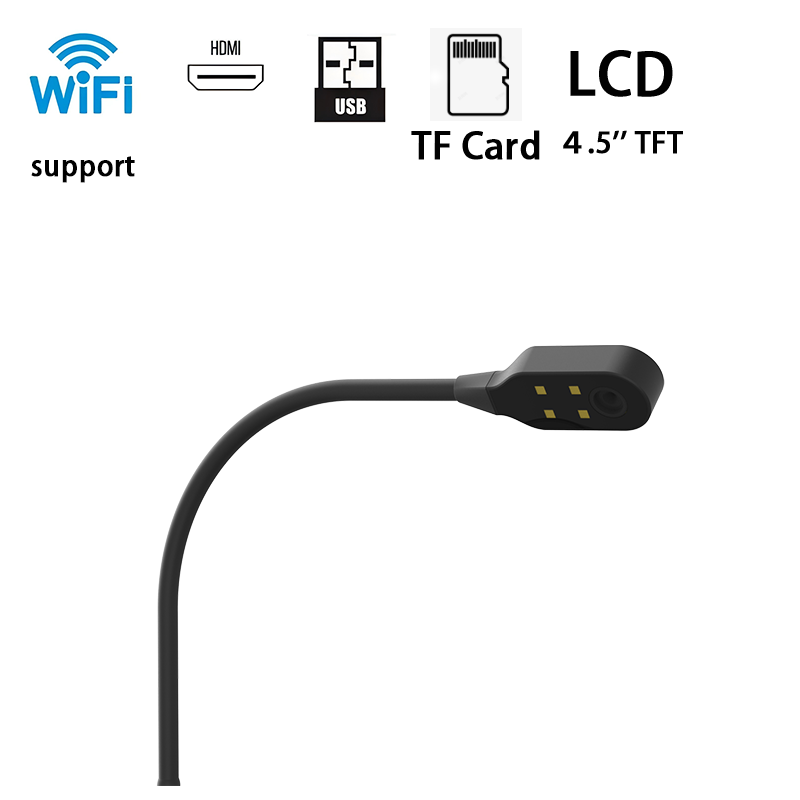
VGA + Wi-Fi Teaching Visualizer for Files & Cameras
A practical bridge for Austin training rooms that still use VGA projection but need wireless document sharing for hybrid sessions. The dual interface helps reduce podium adapter clutter and supports live demonstration of printed materials, objects and camera output.

Wireless Robotic Frame A3/A4 Book Scanner
An overhead book and document camera for libraries, legal review rooms, registrars and curriculum teams. The robotic frame concept supports stable positioning over A3 and A4 materials, making it easier to capture bound pages, forms and teaching resources for online classes or digital archives.
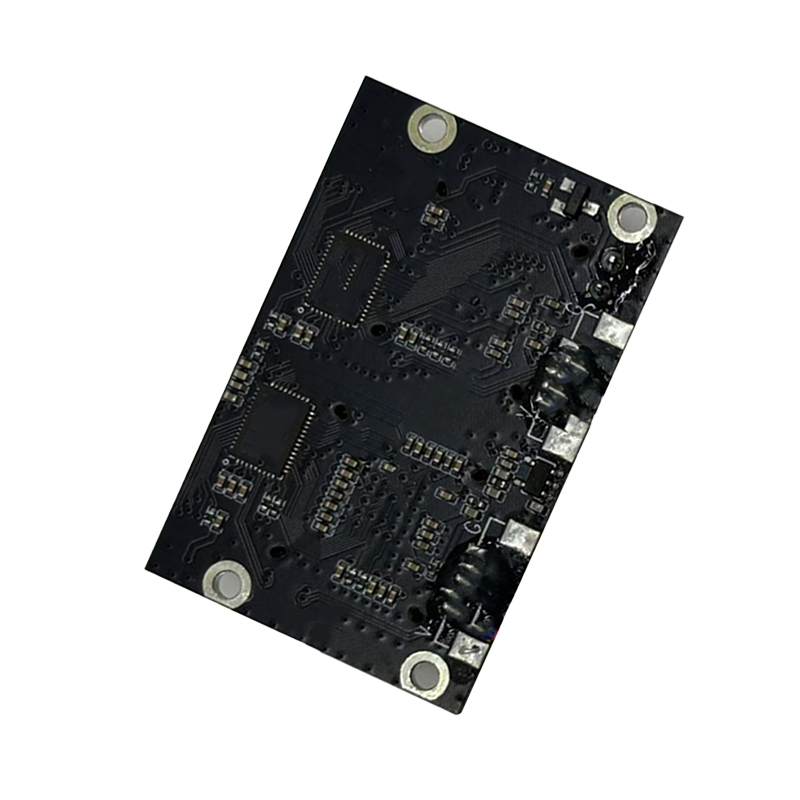
Dual 1080P Biometric Face, Palm & Finger Vein Module
A multi-biometric camera module for identity verification, access control and secure enrollment projects. Austin integrators can evaluate it for kiosks, healthcare check-in, fintech onboarding or government service terminals, while confirming interface, lighting, privacy and SDK requirements before sampling.
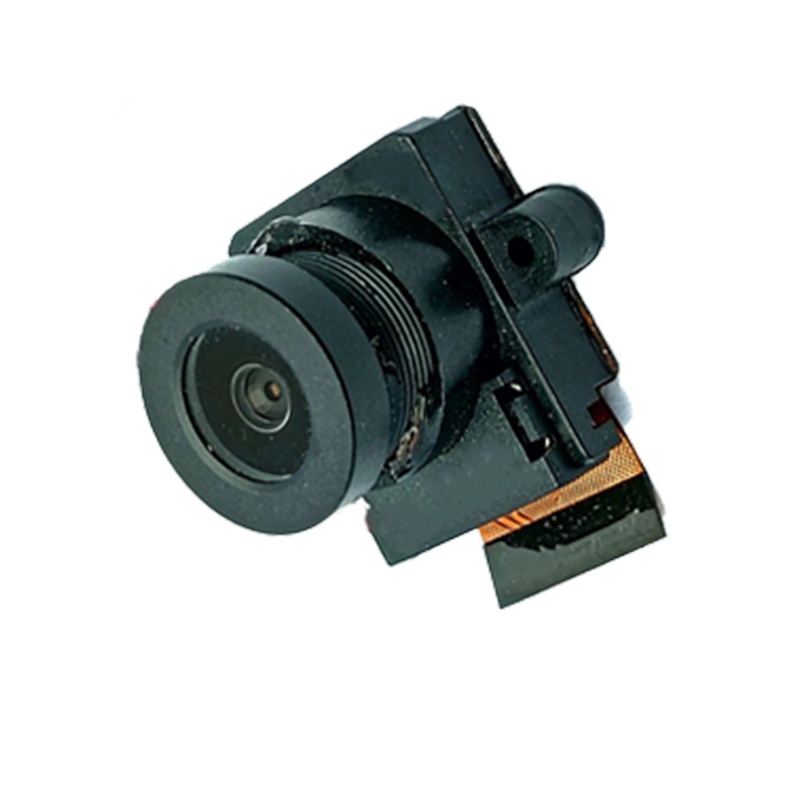
1080P Body Camera with HD Recording & Night Vision
A CMOS body-worn camera for field documentation, inspections and incident capture. Austin organizations should define consent, retention, access and chain-of-custody policies before deployment. Night vision and audio recording can improve evidence quality, but governance and operator training are as important as the hardware.
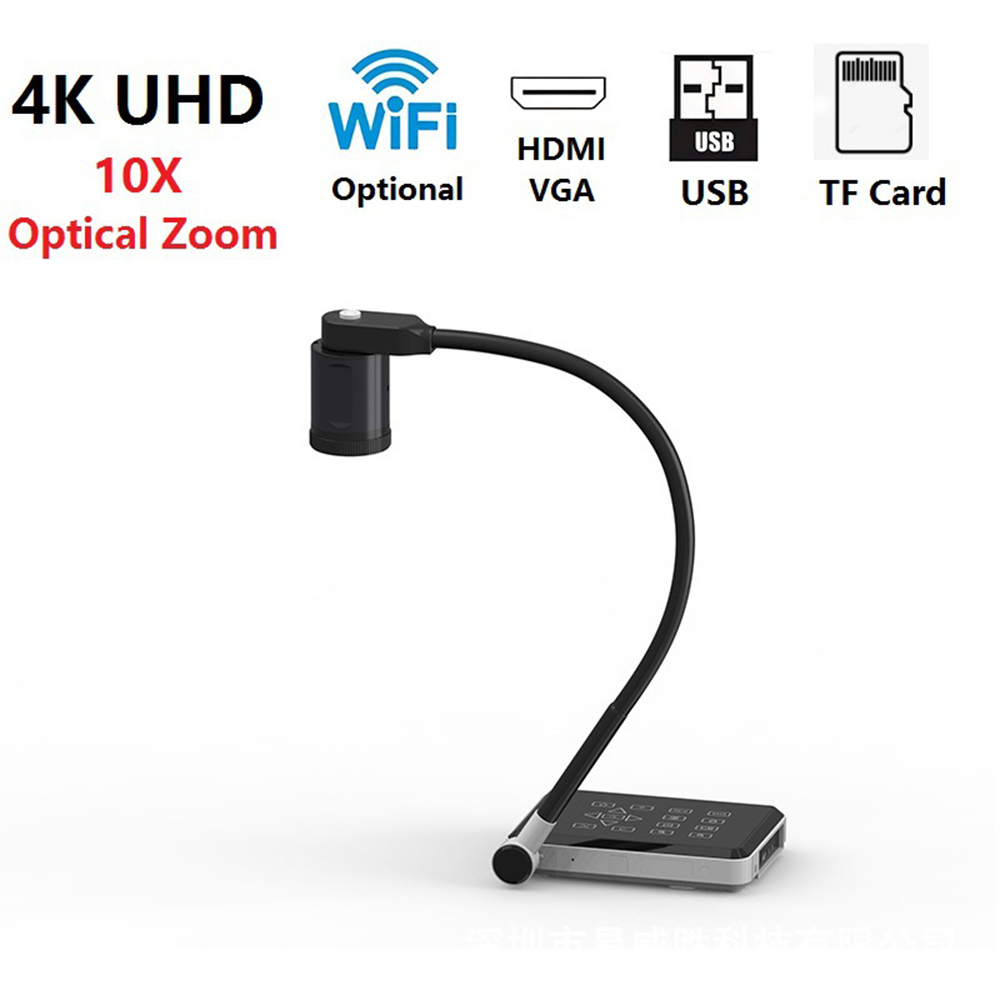
Handheld HD USB A4/A3 Book Scanner
A USB document camera for advisors, registrars, legal intake, title desks and service counters. The overhead view speeds up capture of IDs, contracts, signatures and book pages without flattening bound documents under a flatbed lid. A practical choice when desk space is limited and plug-and-play capture is preferred.

A3 Portable Wireless 13MP Visualizer
A high-resolution A3 visualizer for engineering drawings, fine print, design reviews, art portfolios and large-format teaching materials. Wireless portability suits Austin classrooms and creative-tech teams that move between meeting rooms, while 13MP resolution helps preserve detail when users zoom into the live image.
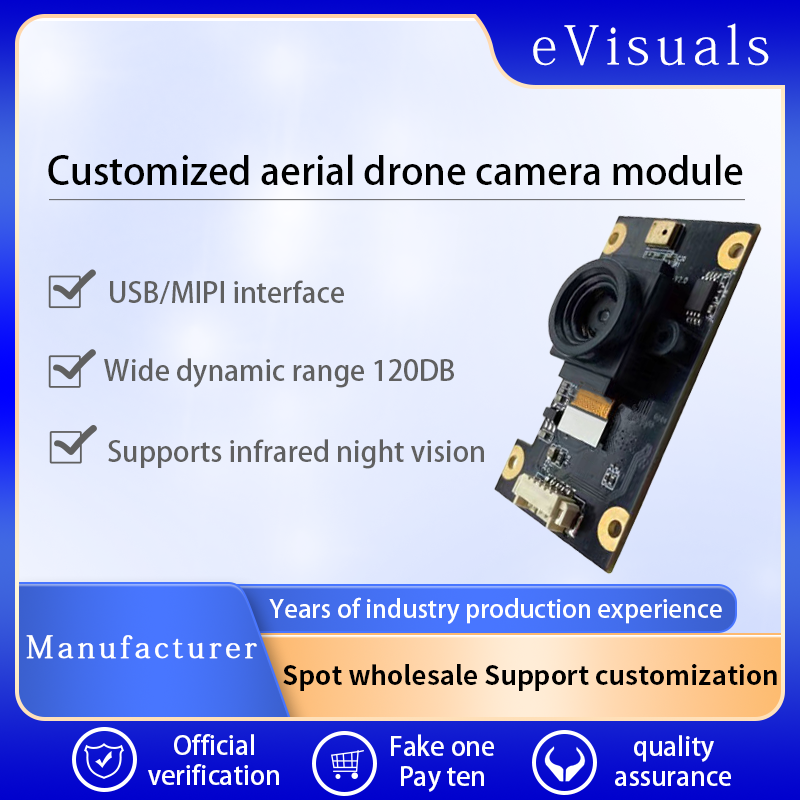
Customized 4K Wireless Drone Camera Module
An OEM wireless video transmission module for drone, robotics, aerial inspection and specialty imaging developers. Austin R&D teams should discuss range, latency, power, payload, firmware and integration constraints early. This is not a standard office scanner, but it is relevant when the camera becomes part of a larger hardware product.
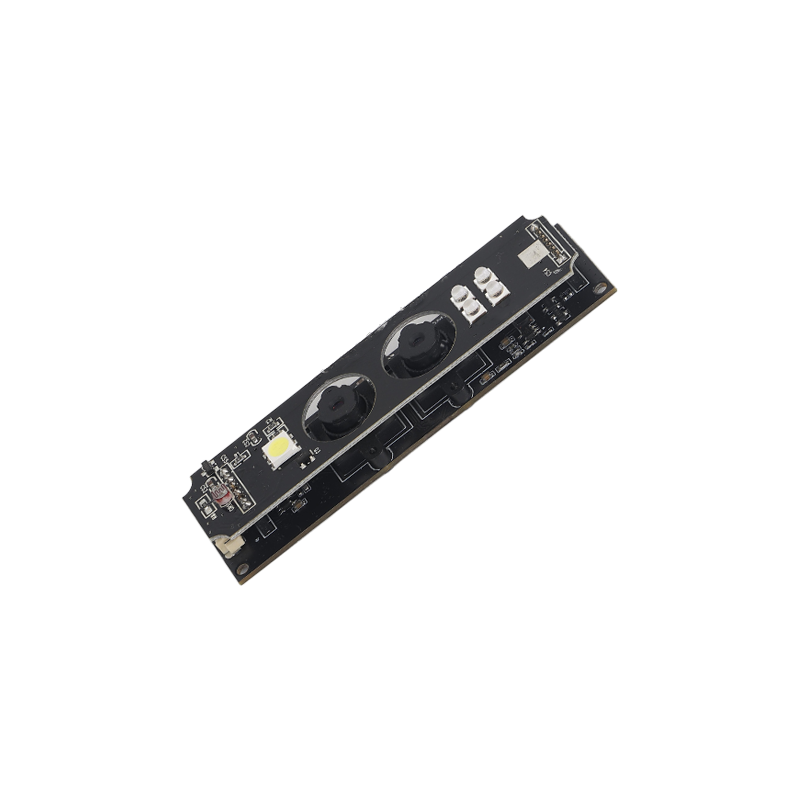
1080P / 2K / 4K Binocular Wide Dynamic Camera Module
A binocular camera module for machine vision, depth-related prototypes, dual-lens capture and wide-dynamic imaging. Options for auto focus or fixed focus make it possible to match different development goals. Austin hardware teams should share mechanical drawings, interface expectations and software requirements before requesting samples.
A Smarter Way to Source USB Camera Scanners for Austin
Searching for USB camera scanner suppliers and wholesaler serving Austin usually produces two very different shortlists. Local AV and IT resellers can install quickly, but they may carry only a narrow range of sensors and housings. Factory-direct manufacturers offer wider OEM/ODM flexibility, product documentation and volume pricing, but the buyer must perform more technical due diligence. Eshuni is the second type of partner: a Shenzhen manufacturer that builds document cameras, book scanners, visualizers, identity-verification modules, body cameras and custom camera modules for export buyers across North America.
Austin buyers should evaluate the total capture workflow, not just megapixels. The key variables are scan area, lighting, lens focus, connection stability, mounting, software compatibility, privacy controls, warranty and procurement documentation. A 13MP A3 visualizer may be over-specified for a notary desk that scans passports and forms, while an 8MP USB scanner may disappoint a design studio that zooms into full A3 drawings, fabric samples or engineering change orders. The decision becomes clearer when you define the output: live teaching, OCR-ready archiving, counter-side identity checks, streaming, or machine-vision development.
Austin's economy mixes education, state and county government, technology, healthcare, legal services, insurance, film, music and hardware R&D. That means many buyers need a mixed quotation rather than a single catalog item: several classroom visualizers for a campus, USB book scanners for a records office, dual-camera units for public counters, and camera modules for an integrator building a kiosk pilot. Consolidating these requirements with one engineering team reduces vendor fragmentation and keeps technical answers consistent from sample evaluation to production.
Quick sourcing brief for Austin projects
- Classrooms: start with an 8MP–13MP A3 USB or 5.8 GHz wireless visualizer, then confirm software and mounting.
- Records and legal: choose an overhead A3/A4 scanner with stable USB power and clear focus control.
- Public counters: evaluate dual-camera capture when both the document and the applicant must be recorded.
- Integrators: discuss CMOS, FPC, binocular and biometric modules early, including SDK and mechanical fit.
- Confirm before order: UVC compatibility, warranty terms, packaging, delivery ZIP code and trade term.
Where USB Camera Scanners Create Measurable Value in Austin
Austin buyers rarely deploy imaging hardware in isolation. The device has to fit a classroom, counter, clinic, studio or engineering lab. These six scenarios reflect common procurement patterns rather than generic product claims.
K-12, UT Austin & Austin Community College
Austin ISD campuses, UT Austin departments and Austin Community College programs use visualizers for live annotation, textbook close-ups, lab samples and step-by-step demonstrations. A 5.8 GHz wireless model lets instructors move between tables without tripping over cables, while USB models suit fixed lecture podiums and testing rooms. Choose A3 when drawings and two-page spreads matter; choose A4 when text-heavy documents dominate.
State, county & municipal service counters
Travis County and nearby public agencies process IDs, applications, supporting documents and signatures in repetitive counter workflows. Dual-camera scanners capture the applicant and the document together; single-lens USB models are simpler for bulk form capture. Plan for privacy signage, operator training and records-retention rules before deployment, especially where personal data is captured.
Legal, title, insurance & financial services
Downtown Austin law firms, title companies and insurance teams need legible copies of bound agreements, IDs, checks and handwritten notes. Overhead scanners reduce page bending and shadow problems, and USB power avoids extra adapters at hot desks. For remote consultations, a portable visualizer can share a document live while the advisor explains clauses on screen.
Healthcare, telehealth & training
Clinics and training teams can show forms, device labels, exercise instructions or lab reports during telehealth sessions. Healthcare buyers should confirm software security, HIPAA-related obligations and recording policies with their platform vendor. A fixed-focus USB model is often enough for desk workflows; an auto-focus A3 unit is better when staff present objects, printed charts or small text.
Creative, film, events & livestreaming
Austin's film, music, maker and content-creation community uses USB cameras for overhead demonstrations, product close-ups and livestream workshops. Low-latency USB visualizers support plug-and-play capture, while customized 4K drone and binocular modules serve hardware teams testing aerial video, inspection or multi-lens capture. Confirm frame rate, field of view and SDK support before sampling.
Robotics, drones & industrial inspection
Hardware teams around Austin can evaluate custom CMOS, FPC, binocular and wireless video modules for robotics, drone inspection, machine vision and smart-glasses prototypes. These projects require early discussion of mechanical fit, power, interface, lens selection and firmware support. A standard scanner is preferable when the goal is document capture; a module program is better when the camera becomes part of a larger product.
2025 Austin Trends Shaping Camera Scanner Demand
Procurement teams are asking more precise questions than “how many megapixels?” They want predictable installation, cleaner software compatibility and a camera strategy that survives campus and counter upgrades.
Hybrid teaching remains the default
Austin schools and training centers increasingly need visualizers that can switch between in-room projection and online meeting software. Dual-output connectivity, clear focus control and simple camera selection reduce support calls during live lessons.
5.8 GHz is preferred for portable teaching
Dense campus Wi-Fi and crowded 2.4 GHz environments can create unstable live images. A 5.8 GHz wireless visualizer is often a better fit for teachers who move between rooms, though USB remains the most predictable choice for fixed desks.
Paper-to-digital quality still matters
Book scanners and overhead document cameras are being used for curriculum archives, legal files, title records and client intake. Buyers now ask about lens quality, page curvature, lighting control and OCR-ready image consistency, not just resolution.
Counter-side identity checks are moving mainstream
Austin service counters increasingly combine document capture with identity verification. Dual-camera scanners and biometric modules can support this workflow, but privacy-by-design, consent notices and data-retention rules should be agreed before piloting.
UVC and USB-C simplicity reduce tickets
Managed IT teams prefer devices that appear as standard cameras in Zoom, Microsoft Teams or Google Meet. UVC compatibility is model-specific, so Austin buyers should test the exact SKU on their laptop image and room PC before a campus or department rollout.
Integrators want customization, not just catalog SKUs
System integrators around Austin are asking for private-label packaging, interface changes, firmware adjustments and mechanical adaptations. Factory-direct OEM/ODM support can help, provided the buyer plans for samples, documentation, tooling and qualification time.
Austin use-case fit indicators
Planning aid based on typical project requirements, not a local market forecast.
How to Specify the Right USB Camera Scanner
Use this practical guide to narrow a tender, retail range or pilot. The goal is not to buy the highest specification, but to match the device to the document, the operator and the software environment.
A4 or A3 capture
Choose A4 for forms, IDs, letters and standard office paperwork. Choose A3 when users must capture full spreads, architectural drawings, engineering change orders, art portfolios or teaching charts without stitching multiple images.
8MP or 13MP
8MP is usually sufficient for A4 documents, textbooks and classroom demonstrations. 13MP is better for full A3 sheets, fine print, detailed drawings and archival work where users zoom into small features. Lens quality and lighting often matter more than raw pixel count.
USB or 5.8 GHz wireless
USB models are plug-and-play, draw power from the computer and suit fixed counters, labs and podiums. Wireless 5.8 GHz models give instructors freedom to move and often avoid 2.4 GHz congestion in busy school networks, but they need a disciplined battery and pairing workflow.
Single or dual camera
A single-lens scanner is simpler and more cost-effective for document-only capture. A dual-camera scanner is useful when the workflow must capture the applicant and the document together, such as identity verification counters, banking onboarding or public-service intake.
Standard catalog or OEM/ODM
Standard models reduce lead time and qualification effort. OEM/ODM makes sense when a reseller or integrator needs private-label packaging, a specific interface, firmware behavior or mechanical adaptation. Custom work requires early samples, testing and clear change control.
Austin procurement checklist
Questions worth answering before you request a formal quotation or sample.
- What document size, material and lighting condition will be captured?
- Will the device run on a managed laptop image, room PC or kiosk?
- Does the buyer need UVC, HDMI, VGA, wireless or a combination?
- What privacy, consent or records-retention rules apply?
- Are private-label packaging, warranty terms and spare parts required?
- Is the delivery address in Austin, Round Rock, Cedar Park or another nearby city?
- Which trade term fits the project: FOB, EXW or DDP?

Why Eshuni Is a Practical Factory Partner for Austin Buyers
Founded in 2012, Shenzhen Eshuni Technology Co., Ltd. is a manufacturer and solution provider for information collection and identity verification. Our portfolio includes high-speed document scanners, video booths, book scanners, identity-verification terminals, webcams and camera modules. We serve education, finance, insurance, telecommunications, government and enterprise buyers—segments that mirror Austin’s own demand mix.
Eshuni operates an ISO 9001 quality management system, and products carry CE, FCC, RoHS and China 3C certifications where applicable. Core hardware and software are developed in-house and protected by national patents. With more than 14 years of focused R&D, a 3,000+ m² factory area and a 100+ employee team, we support product design, project design and on-site project application guidance through three technical-support levels. ERP-based production and supply-chain management help keep specifications, lead times and repeat orders consistent.
For Austin projects, that means you can request samples, compare interfaces, ask for branding and packaging options, and plan volume delivery with FOB, EXW or DDP terms. Cross-border sourcing is not the same as buying from a local Austin warehouse; buyers should plan for freight, customs, testing and integration. Eshuni’s role is to make the hardware, documentation and engineering communication predictable so that your Austin AV partner, IT team or system integrator can deploy with fewer surprises.
Common Questions About USB Camera Scanner Suppliers
These answers focus on cross-border sourcing, local deployment realities and the details Austin buyers usually ask before requesting samples or a formal quotation.
Do you supply USB camera scanners and document cameras to Austin, Texas?
Do you have a local warehouse or installation team in Austin?
Which model is best for Austin schools and universities?
Are your USB visualizers compatible with Zoom, Microsoft Teams and Google Meet?
What is the practical difference between 8MP and 13MP?
Can you support OEM and ODM projects for Austin resellers and integrators?
What certifications and procurement documents can you provide?
How do I request a catalog or quotation for an Austin project?
Planning an Austin Campus, Counter or OEM Program?
Share your application, target specification, quantity and delivery ZIP code. Our team can recommend the right sensor, connection, housing and documentation path for your project.