Wireless Document Scanner Supplier & Wholesalers for the Phoenix market
Eshuni supplies A3/A4 document cameras, wireless visualizers, book scanners, dual-camera ID capture devices and OEM camera modules to Phoenix-area schools, government teams, healthcare groups, systems integrators and wholesale buyers. ISO 9001 production discipline, CE/FCC/RoHS/3C support and private-label manufacturing from Shenzhen.
Document Cameras & Wireless Scanners for Phoenix Wholesale Programs
These eight products cover classroom demonstration, book and records capture, government counter workflows, kiosk integration, OEM camera module projects and identity verification. Product links are preserved from the existing catalogue; every model can be discussed for private label, packaging, firmware and accessory customization.
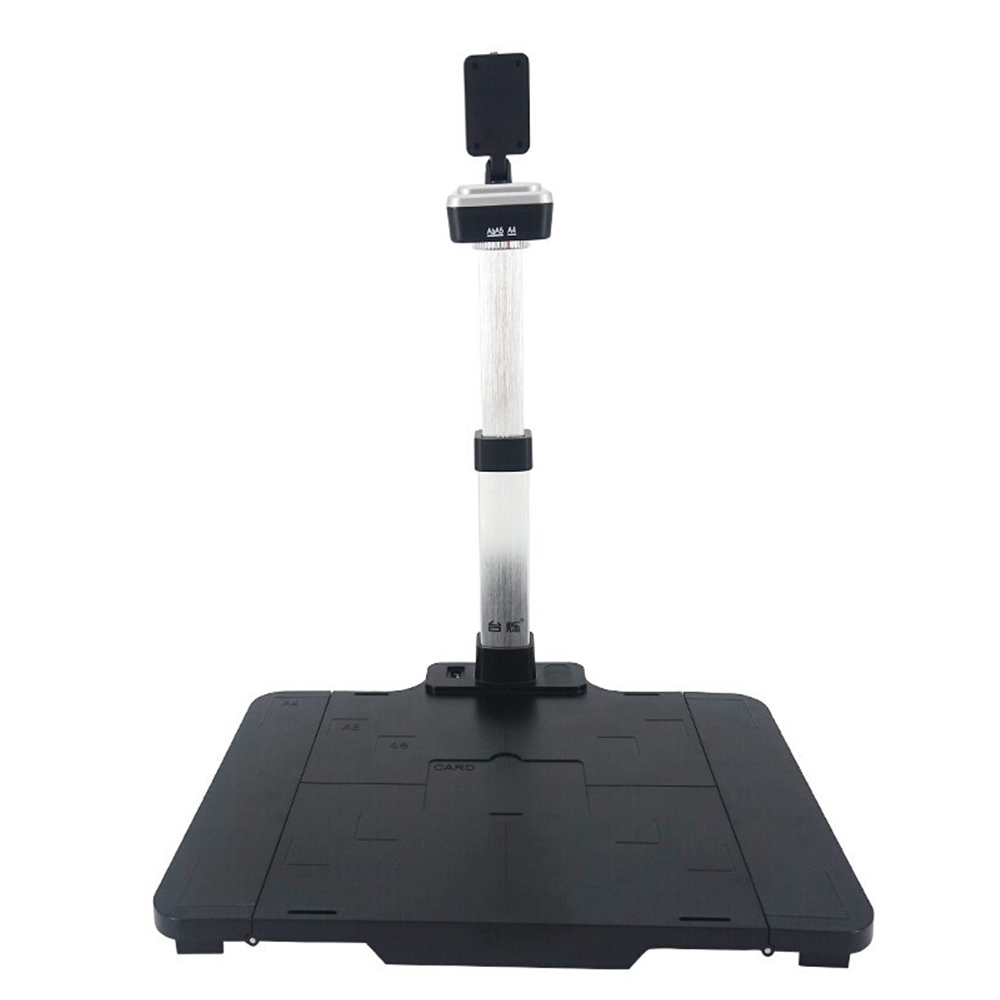
OEM HD 5MP double Camera Document camera Scanner For Government document camera
- 5MP
- Dual camera
- Government
Dual-camera imaging for counters where an operator needs the document and applicant context in one visual workflow. A practical fit for municipal service desks, permit offices and identity-heavy transactions.
View product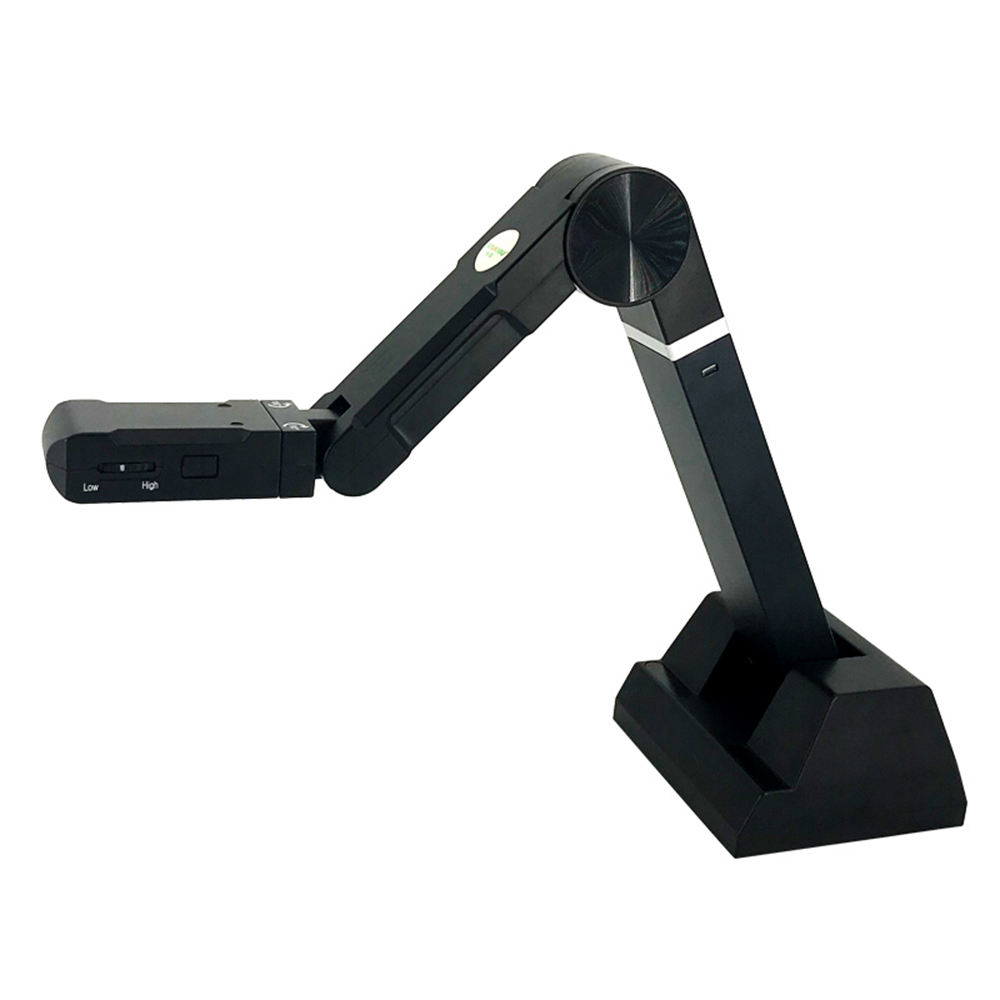
Document Camera High Quality OEM Portable WiFi Camera Scanner Multi-Interface Visualizer for Scanning Book Document
- Portable
- WiFi
- Multi-interface
A flexible visualizer for book pages, forms and classroom materials. Multi-interface design and OEM configuration make it relevant for Phoenix distributors serving school districts, training rooms and back-office capture teams.
View product
China Document Camera A3 Portable Wireless 13mp Visualizer Document Camera
- 13MP
- A3
- Wireless
Built for full-sheet A3 capture, fine print, engineering drawings and detailed classroom demonstration. Wireless operation helps presenters move around a room without a fixed cable run.
View product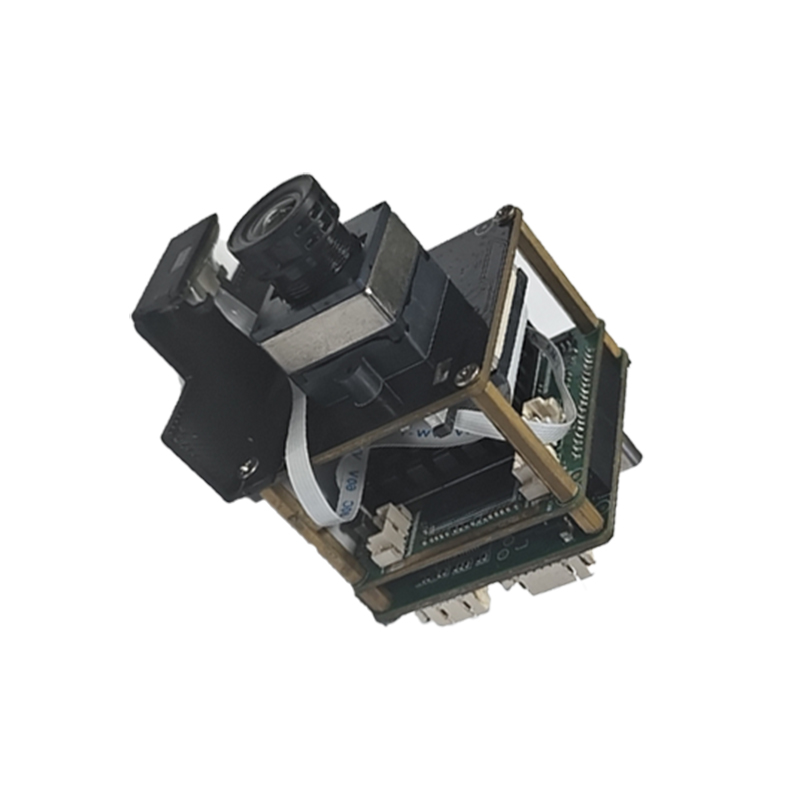
Factory customized HD live streaming conference/teaching 4K camera module compatible with multiple systems
- 4K
- Live streaming
- OEM
An OEM module direction for integrators building conference, teaching, kiosk or broadcast endpoints. Housing, interface, firmware and packaging can be discussed as part of the customization scope.
View product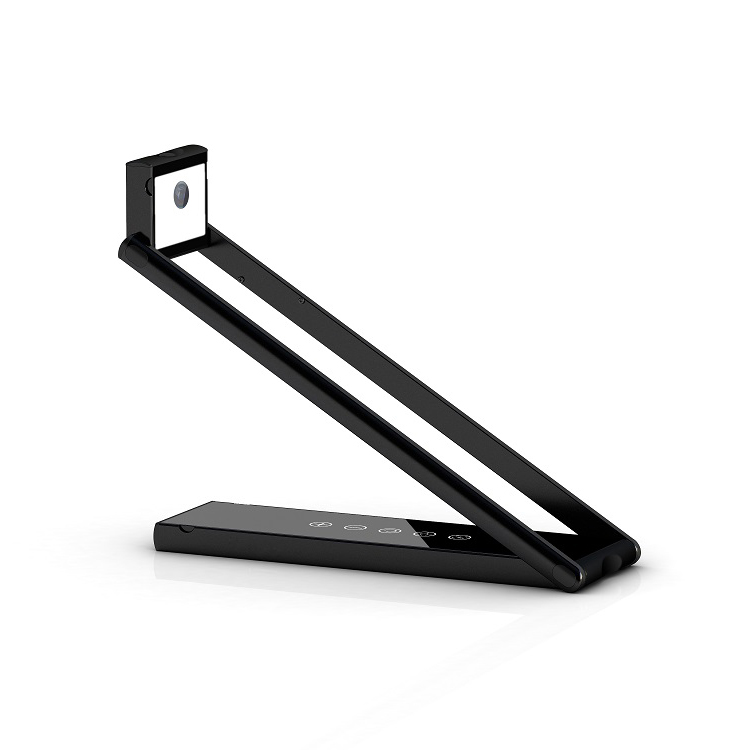
Education Equipment Visual Presenter Document Camera Scanner Scanning A3 Book and Paper
- Education
- A3 books
- Paper
A classroom-oriented A3 visual presenter for books, worksheets, objects and projected demonstrations. Useful for K-12 districts, community colleges and corporate training rooms planning hybrid lessons.
View product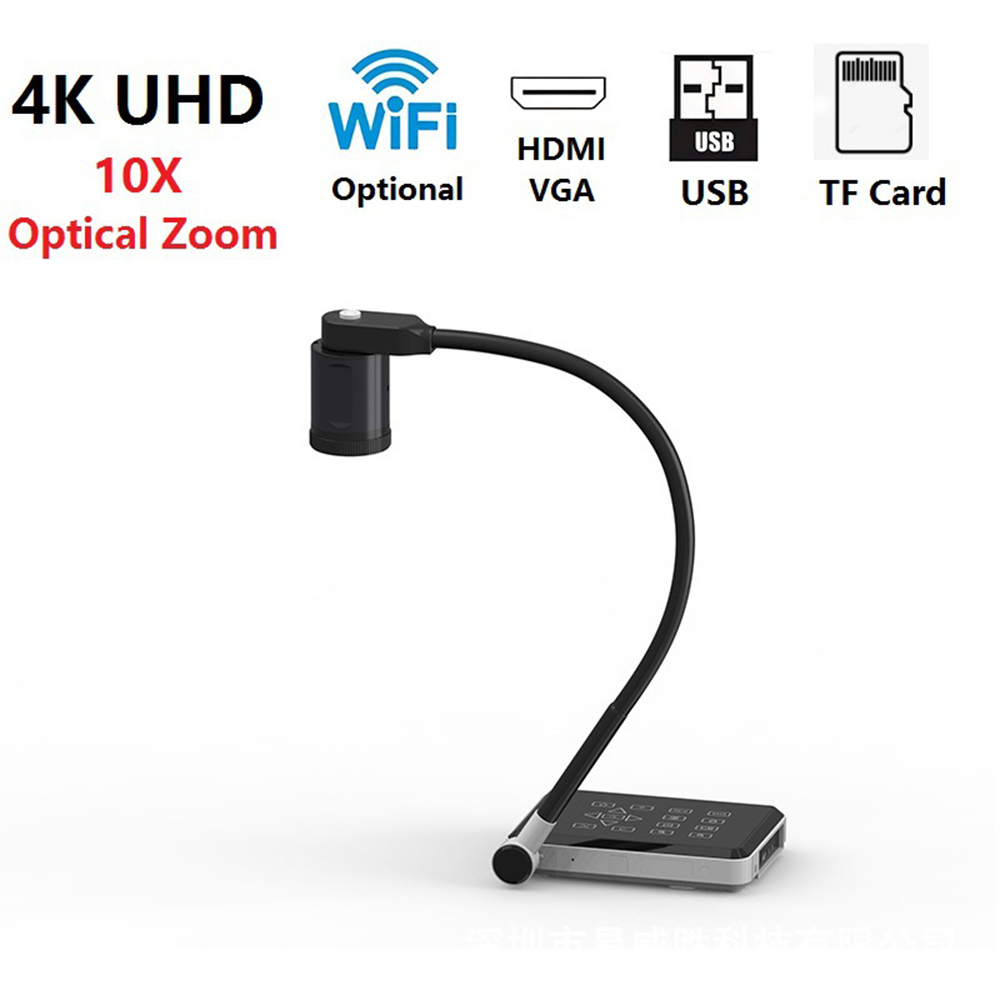
Visualized Handheld Hd Usb A4 Book Scanner A3 Automatic Management Document Camera Scanner
- USB
- A4/A3
- Handheld
A compact capture option for paper-intensive teams, front counters, title and records offices, and back-office digitization stations where desk space and ease of use matter.
View product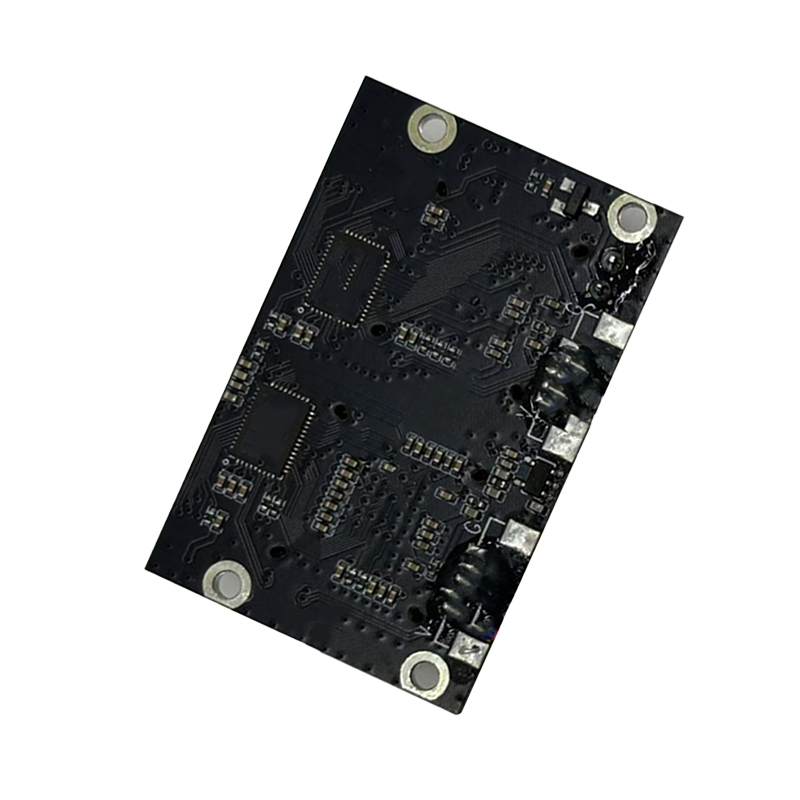
Newly upgraded dual 1080P finger vein palm print recognition facial recognition camera module CMOS sensor
- Dual 1080P
- Palm/vein
- CMOS
A biometric camera module direction for access-control and identity equipment. Integrators can evaluate multi-modal capture for enrollment, check-in and controlled-area workflows before finalizing system architecture.
View product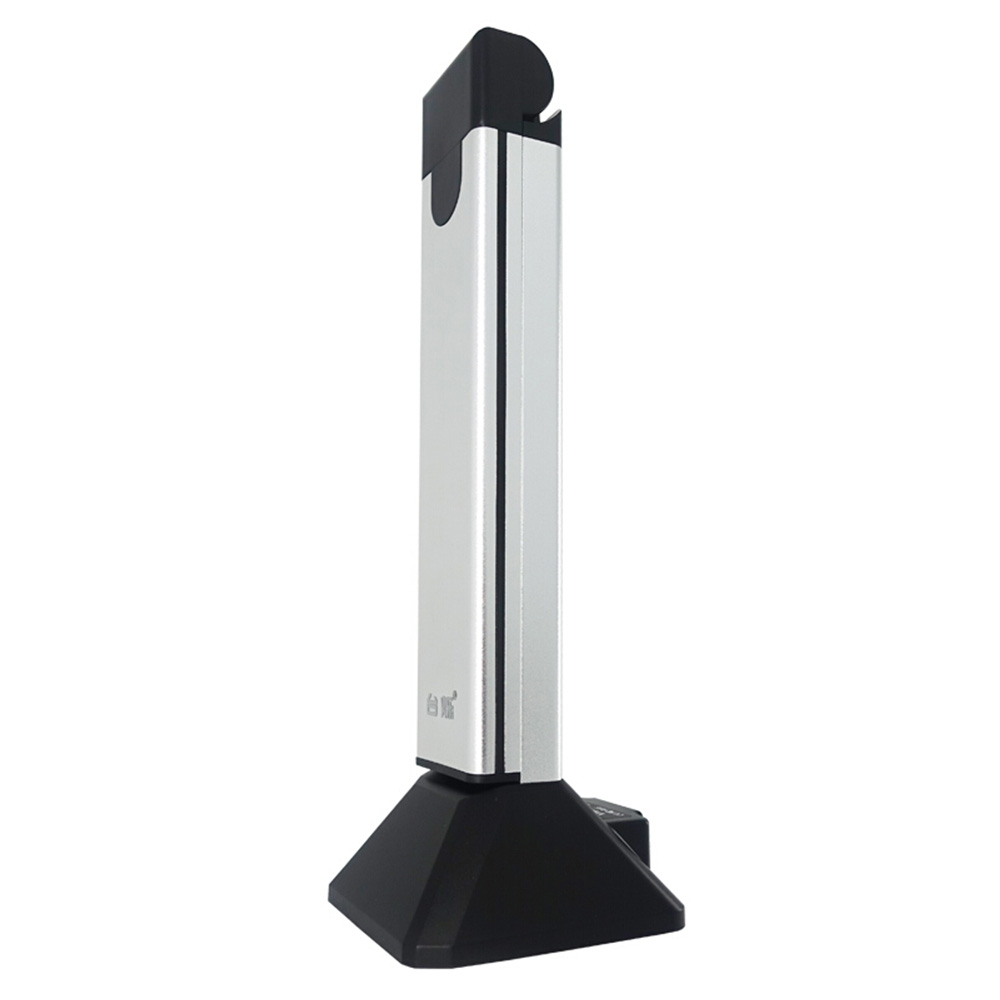
Document camera page camera high speed page scanner for online educational equipment
- High-speed
- Page capture
- Online education
Designed around page capture and online education workflows. Production configuration can be aligned with your display software, mounting method, accessory kit and packaging requirements.
View productWhy Phoenix Buyers Need More Than a Generic Scanner SKU
Phoenix is not a generic Sun Belt market. The region brings together large K-12 districts and charter networks, municipal and county agencies, a growing university and community-college ecosystem, healthcare and insurance operations, professional-services firms, logistics hubs, and advanced manufacturing and technology teams. Each buyer has a different capture problem: a teacher needs to show a page clearly under a document camera; a clerk needs a clean image of an application or ID; an archivist needs to capture a bound volume without damaging the spine; an integrator needs a camera module that fits a kiosk or conference room.
The common thread is not simply “scanning.” It is reliable information capture in high-throughput workflows, with readable images, simple staff training and predictable total cost of ownership. A low-cost device that creates glare, misses page edges or requires repeated technician visits is rarely the lowest-cost decision. A supplier that can match resolution, capture area, connectivity and packaging to the actual counter or classroom usually creates more value than a catalogue with dozens of similar models.
Arizona’s climate affects deployment indirectly. Most document scanners are used indoors, so the device should be matched to an air-conditioned school, office, clinic or service counter. The bigger operational risks are usually window glare, inconsistent overhead lighting, limited desk depth, cable routing, staff turnover and unclear software ownership. Buyers should test for document thickness, page curvature, ID placement and whether the room has fixed network drops or only wireless access. A pilot that works on a demo bench but fails at the counter is an expensive lesson.
Phoenix purchasing teams often need written specifications, accessory lists, certification documents and after-sales terms before a pilot or tender. Wholesalers need stable SKUs, packaging that survives parcel and pallet shipping, and clear product content for their own catalogues. Eshuni supports both paths: product selection for end users and OEM/ODM configuration for resellers.
E-E-A-T note: this guide is prepared from Eshuni’s OEM/ODM application-engineering experience for imaging hardware. Pricing, lead times, certification scope and warranty terms must be confirmed in a written quotation or contract; this page is a specification and sourcing guide, not a binding offer.
What Phoenix buyers usually ask us to clarify
- Will the device capture full A3 sheets, bound books or only A4 single sheets?
- Is the workflow USB plug-and-play, 5.8GHz wireless, network-based or a custom module?
- Does the buyer need private label, custom firmware, special packaging or an accessory kit?
- Which certification evidence, manuals and spare-parts lists are required for procurement?
- What sample quantity, pilot duration and acceptance criteria should be defined before volume order?
Where Document Cameras and Wireless Scanners Fit in Phoenix Workflows
Use-case selection should start with the document, the room and the employee workflow — not only with sensor megapixels. These six scenarios reflect common Phoenix project conversations.
K-12 and community colleges
Teachers use visualizers to show worksheets, textbooks, science demonstrations and student work during in-person and hybrid lessons. An A3 model helps with full-page reading and fine print; USB or 5.8GHz wireless should be chosen after checking room layout and display equipment.
City, county and court records
Public counters often need a clean document image, a visible applicant context and a simple operator interface. Dual-camera capture, A4/A3 book scanning and stable fixed-position mounting can reduce repeat scans and make records more consistent.
Healthcare, insurance and finance
Enrollment, claims and KYC desks capture IDs, forms and supporting documents. Buyers should define where images are stored, whether software is local or cloud-based, and which retention policy applies. Hardware selection should follow the data-handling review, not replace it.
Higher education and workforce training
Lecture capture, simulation review and technical training benefit from sharp overhead images and predictable connectivity. A 13MP A3 visualizer supports drawings and fine detail, while 4K modules serve integrators building teaching or live-streaming endpoints.
Title, legal and professional services
Bound files, signatures, exhibit pages and supporting paperwork need fast overhead capture without damaging originals. A book-friendly visualizer with auto focus and even lighting helps paralegals, title teams and compliance staff move paper into review workflows.
Integrators and wholesale distributors
Phoenix resellers may need private label, stable packaging, spare parts and clear product content for their catalogues. OEM/ODM discussions should cover firmware, accessories, manuals, carton marks and after-sales responsibilities before samples are approved.
Match the Scanner Architecture to the Phoenix Project
This matrix is a starting point for tender notes, pilot plans and distributor range planning. Final configuration should be validated with samples and a written specification.
| Requirement | Likely configuration | Why it matters | Product direction |
|---|---|---|---|
| Full A3 pages, drawings and fine print | 13MP sensor, A3 capture, auto focus, wireless or USB | Preserves legibility after zooming and supports engineering, library and classroom detail. | A3 portable 13MP wireless visualizer |
| Bound books and classroom reading | A3/A4 visual presenter with flexible arm and glare control | Helps capture pages without flattening the spine and supports demonstration of real materials. | Education visual presenter or high-speed page scanner |
| Applicant plus document at a public counter | Dual-camera document scanner, 5MP or higher | Creates a more complete visual record for service desks and controlled transactions. | OEM 5MP dual-camera government scanner |
| Face-to-face calls plus overhead sharing | 2-in-1 webcam/document camera or multi-interface visualizer | Reduces device count for hybrid teaching, advising and remote support. | Portable WiFi multi-interface visualizer |
| Identity and access-control equipment | Multi-mode biometric camera module, OEM integration support | Allows equipment builders to evaluate face, palm or vein capture within their own system. | Dual 1080P biometric camera module |
| Kiosk, teaching endpoint or live-streaming device | 4K camera module, custom housing and interface discussion | Keeps image hardware aligned with the integrator’s industrial design and software stack. | Customized 4K live-streaming camera module |
For Phoenix procurement, confirm power requirements, mounting method, output resolution, software compatibility, spare-parts access and the exact certification documents required by the buyer before a tender response is finalized.
8MP or 13MP? USB or 5.8GHz Wireless?
The right choice depends on the document, the room and the operator — not on the biggest number on a spec sheet alone.
Resolution and capture area
- 8MP: often sufficient for A4 pages, textbooks, classroom demonstration and standard form capture when the operator works within the intended capture area.
- 13MP: preferred for full A3 sheets, engineering drawings, fine print, archival scans and workflows where staff must zoom into small details after capture.
- Auto focus: useful for books of different thickness, objects and mixed document stacks; fixed-focus systems can work where the capture height is tightly controlled.
- Lighting: check window glare, overhead fixtures and glossy ID surfaces during a pilot. Image quality problems are often lighting problems, not only sensor problems.
Connectivity and deployment
- USB: plug-and-play at fixed counters, classrooms and back-office desks. It usually simplifies power and avoids dependence on the site’s wireless network, but tethers the device to the workstation.
- 5.8GHz wireless: useful when a teacher or presenter needs to move around the room. The 5.8GHz band is generally less congested than 2.4GHz, but the exact model must be tested in the room with the intended display and software.
- Multi-interface: relevant when one device must serve several rooms, display types or integrator platforms. Confirm which interfaces are simultaneous and which are switchable.
- Software: define whether capture, annotation, OCR, archiving or identity checks are handled by the device, the PC or a separate application before comparing prices.
Procurement Trends Shaping Scanner Demand in Metro Phoenix
These trends are not forecasts with guaranteed outcomes; they are practical signals that repeatedly appear in B2B imaging discussions with North American buyers.
Digital records and accountability
Public agencies continue to move paper files into searchable systems while keeping audit trails and retention rules. Overhead scanners that capture bound books and irregular paper reduce handling and support faster indexing.
Hybrid classrooms and mobility
Teachers increasingly present from different positions in the room. Wireless visualizers and compact document cameras help share workbooks, experiments and handwritten notes without being tied to one desk.
Identity checks and fraud controls
Service counters and access-control projects need consistent ID and document images. Dual-camera capture and biometric modules are evaluated alongside workflow rules, privacy controls and integration requirements.
Advanced manufacturing and training
Metro Phoenix’s technology and advanced-manufacturing ecosystem places a premium on clear visual documentation for training, quality inspection and remote support. 4K modules and high-resolution visualizers can support those visual workflows.
Four Checks Before You Approve a Phoenix Scanner Order
Unit price is only one line in the decision. The most successful scanner projects define the workflow before they compare suppliers.
Pilot at the real workstation
Test lighting, desk depth, document size, ID thickness, staff movement and display compatibility. Record acceptance criteria before the sample arrives.
Plan training and content
Ask for user manuals, quick-start guides, accessory lists and product images that your team can use in internal training or distributor catalogues.
Clarify shipping and spares
Confirm FOB, EXW or DDP terms, packaging method, carton marks, spare-parts recommendations and the process for DOA or warranty claims.
Document compliance ownership
Identify who is responsible for certification evidence, software licensing, data retention, privacy review and local installation. Put it in writing.
 Shenzhen Eshuni Technology Co., Ltd. — factory and R&D center in Guangdong, China.
How Eshuni Supports Phoenix Wholesalers and Project Teams
Shenzhen Eshuni Technology Co., Ltd. has been a manufacturer and solution provider for information collection and identity verification since 2012. Our product range includes document cameras, wireless document camera visualizers, education visualizers, webcams, ID card document scanners, identity verification terminals, face recognition gate controllers, customized camera modules and projectors.
For Phoenix-area buyers, the advantage is not a claimed local warehouse. It is factory-direct configuration and engineering support for the models that fit the project. We support OEM manufacturing, product design, buyer-label production and project application discussions. Our senior R&D team works across product design, project design and on-site project application requirements, while ERP-driven production and supply-chain management help keep specifications and delivery planning consistent.
All core hardware and software are developed in-house and protected by national patents. The factory operates an ISO 9001 quality management system, and products carry CE, FCC, RoHS and China 3C certification where applicable. We regularly support buyers across North America, South America, Western Europe, South Asia and Africa, with FOB, EXW and DDP terms available for quotation. Public trade history, credit verification and buyer-rating information can be reviewed through the company profile and trade-capacity pages referenced by Eshuni’s main website.
OEM / ODM support
Private label, packaging, firmware, manuals, accessories and selected housing customization can be discussed around your project volume.
In-house R&D
Imaging hardware and software development supports custom module, interface and application discussions.
Factory-direct supply
Quotes can be structured around FOB, EXW or DDP, with production and shipping details confirmed in writing.
B2B documentation
Specification sheets, product images, accessory lists and certification evidence can be prepared for procurement review.
Illustrative Phoenix Application Mix
This visual is a directional summary of application themes that commonly appear in quote discussions for Phoenix-area projects. It is not a formal market study or a statistical forecast.
Questions Phoenix Buyers Ask Before Ordering
Clear answers help shorten the path from specification to sample, pilot and volume quotation.
Do you supply Phoenix buyers directly from Shenzhen?
+
Yes. Eshuni is a Shenzhen-based manufacturer and solution provider serving North American B2B buyers directly from our factory. We do not claim a local Phoenix warehouse. Shipping can be discussed under FOB, EXW or DDP terms, and the final quotation should state the shipping method, destination responsibilities, lead time and warranty terms clearly.
Which model is better for A3 textbooks and fine print?
+
For full A3 pages, fine print, engineering drawings and detailed zooming, start with a 13MP A3 visualizer such as the A3 Portable Wireless 13MP Document Camera. For A4 textbooks and general classroom demonstration, an 8MP or HD model may be sufficient. Always test the actual page size, ambient lighting and display resolution before committing to a volume order.
Is 5.8GHz wireless reliable in schools and public buildings?
+
5.8GHz wireless can be a practical choice when a presenter needs to move around the room, and the band is generally less congested than 2.4GHz. However, building density, display equipment, distance and the specific product design all matter. Confirm whether the model uses a direct 5.8GHz link or infrastructure Wi-Fi, then test in the intended room with the actual software and display chain.
Can we order samples for a Phoenix pilot before volume production?
+
Sample and pilot orders can be discussed. A useful pilot should define the document types, operator group, room conditions, software compatibility, acceptance criteria and duration. For OEM projects, sample approval may also cover label, packaging, firmware, accessories and documentation. Sample cost, freight and payment terms are confirmed in the quotation.
What certifications and documents support procurement review?
+
Our factory operates an ISO 9001 quality management system, and products can carry CE, FCC, RoHS and China 3C certification where applicable. Buyers should specify the exact certification scope, language for manuals, labeling requirements, test reports and any additional documentation needed by their procurement or compliance team. Final availability should be confirmed for the specific model and order.
How should we compare lead time, warranty and total cost?
+
Compare more than the unit price. Ask for production lead time after sample approval, packaging details, shipping terms, spare-parts recommendations, DOA handling and warranty process. Include training time, replacement logistics and software compatibility in the total cost. For Phoenix projects, a clear written quotation and a tested pilot are usually more reliable than verbal assurances about local stock or delivery dates.
Planning a Phoenix Scanner Pilot, Tender or Private-Label Range?
Share your application, document size, target volume, interface preference, certification needs and packaging requirements. Eshuni’s team can recommend a document camera, wireless visualizer, dual-camera scanner or OEM camera module direction and prepare a written quotation for the next step.
Product availability, specifications, certification status, pricing, lead time and warranty are subject to written confirmation. This page is designed as an information-gain resource for B2B sourcing and does not replace a signed supply agreement.